
Heritage-appropriate repair for older, traditional and listed properties.
Symptoms & warning signs
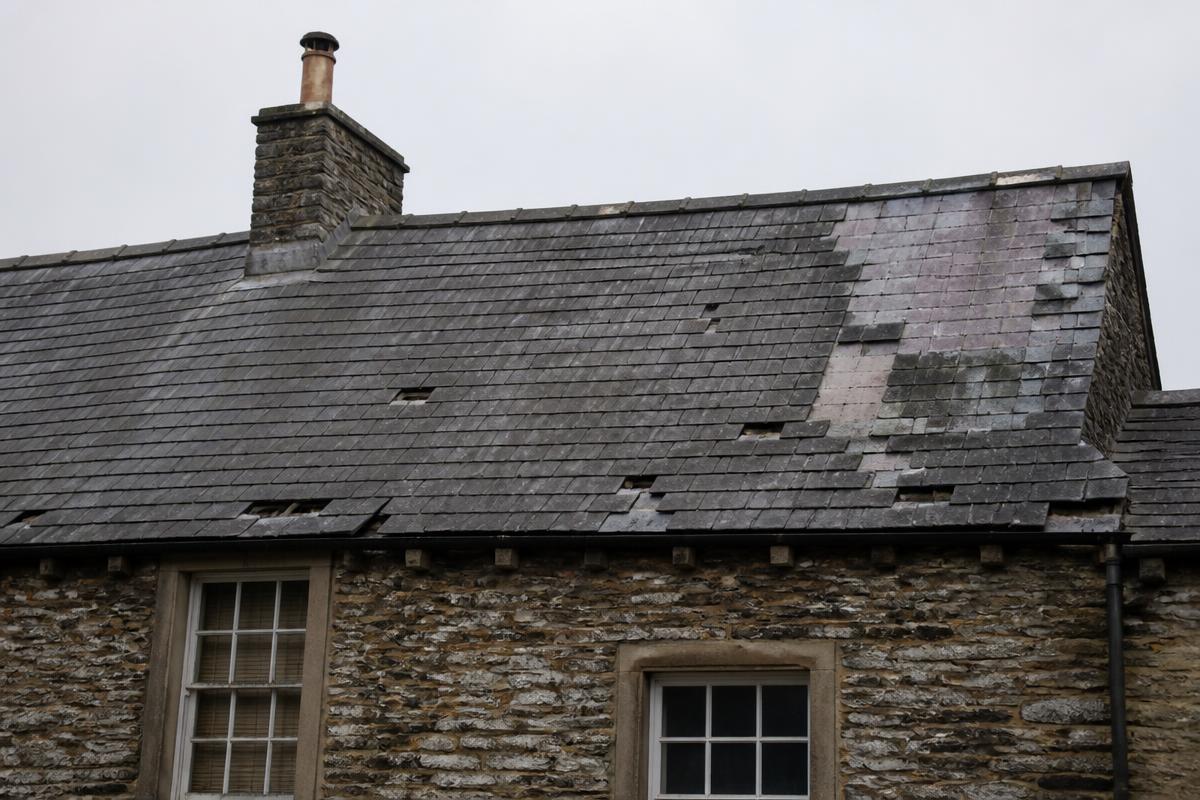
- Original slate or stone slate roof with slipped or missing units
- Cement mortar or modern sealants used on a building that needs lime and lead
- Previous repairs in a material or colour that does not match the original
- Damp caused by a roof that can no longer breathe as it was designed to
- Failing traditional detailing — stone verges, lead valleys, cast iron rainwater goods
- Conservation area or listed building requirements you need to work within
Inspection & diagnosis
Every quote begins with an inspection. Where a roof is inaccessible, complex or storm-damaged, we can carry out a drone inspection to capture imagery and annotated findings before recommending works.
Typical scope of work
- Assessment of the original construction, materials and detailing before anything is disturbed
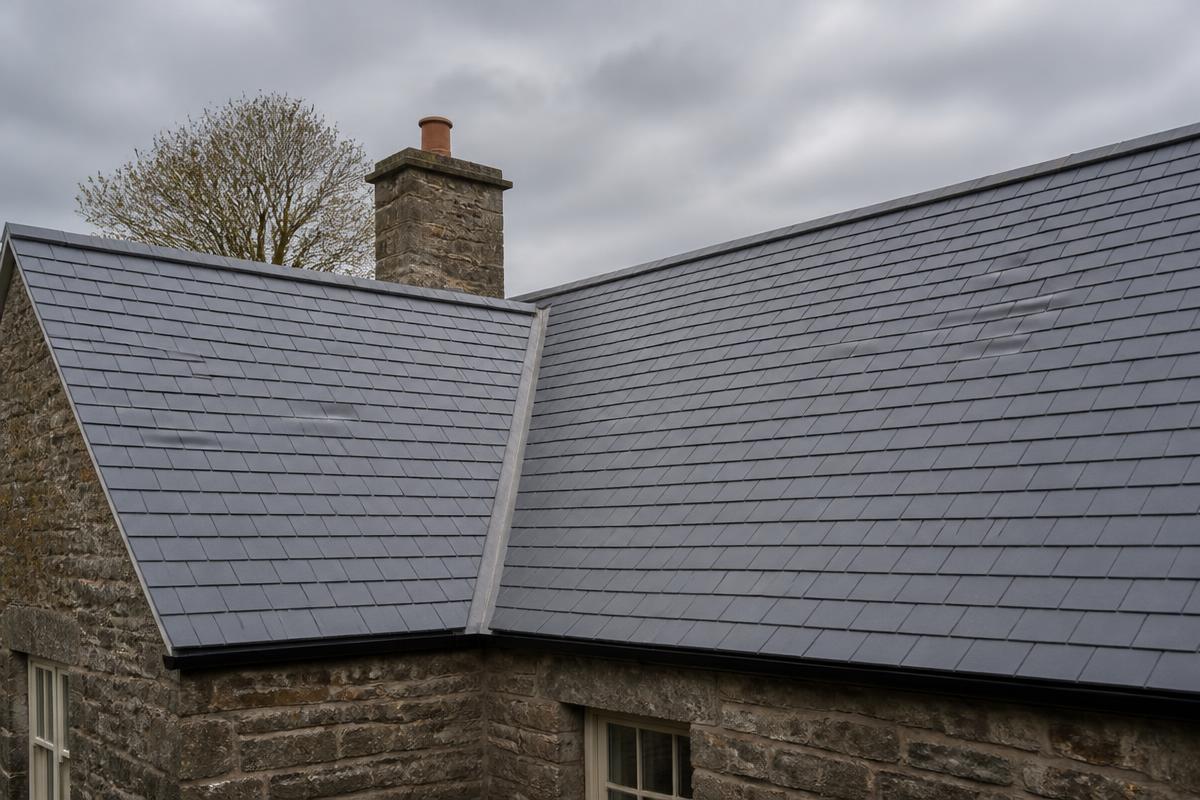
- Salvage and reuse of original slate, stone or tile wherever it is sound
- Sourcing of matched reclaimed or quarried material where replacement is unavoidable
- Lime mortars and breathable build-ups appropriate to a traditional structure
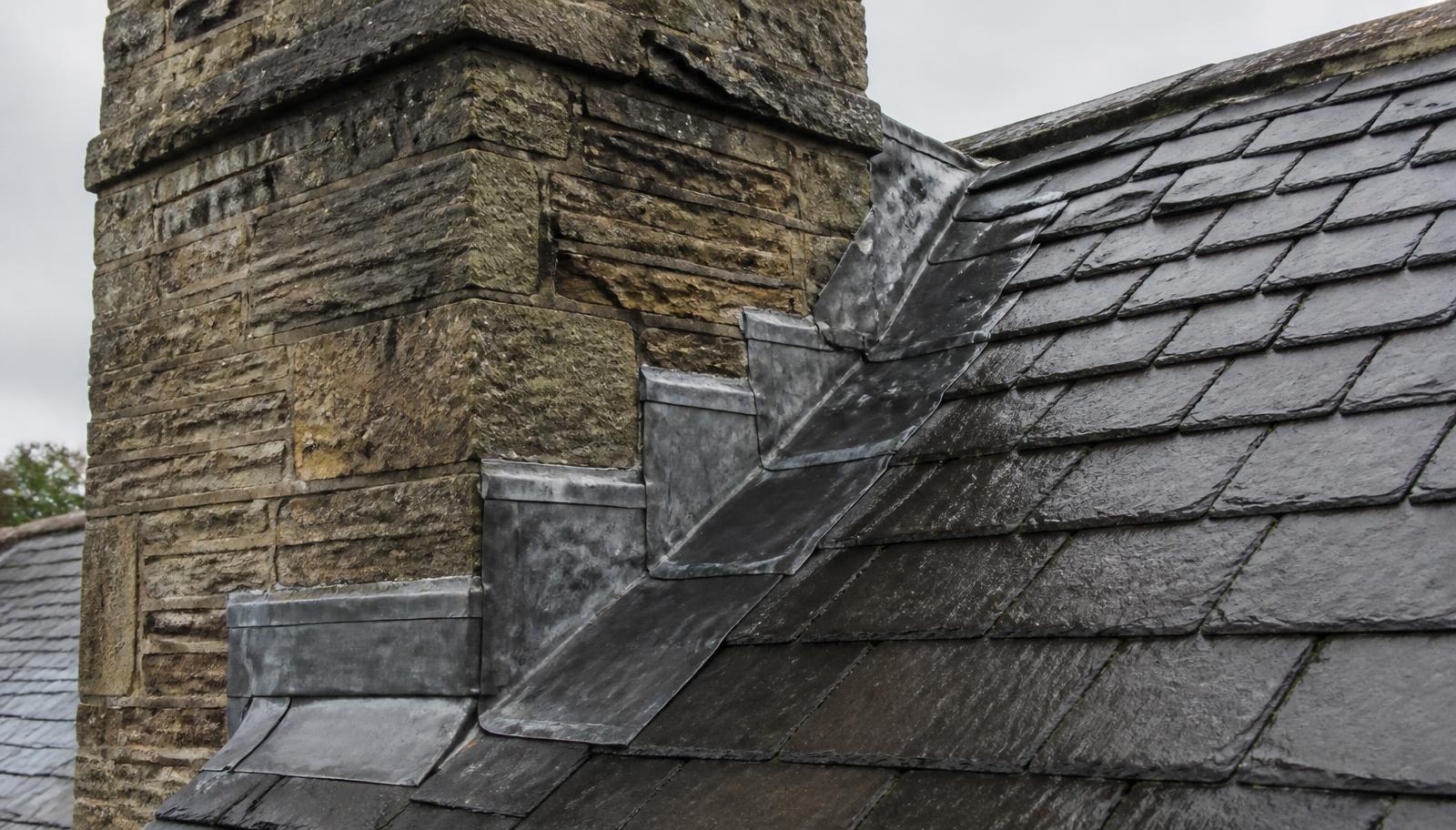
- Traditional leadwork — valleys, soakers and flashings formed by hand
- Repair of original timber structure using like-for-like methods where practical
- Documentation suitable for supporting a listed building or conservation area application
Timescale
Heritage work moves at the pace the building requires. Material sourcing — particularly matched reclaimed slate or stone — often sets the start date, and consents can add lead time before work begins. On site, expect longer durations than a modern equivalent because more is done by hand.
Guarantee & aftercare
Heritage repairs carry our written workmanship guarantee. We record the materials, sources and methods used so future custodians of the building have a proper record. Where consents apply, obtaining them remains the property owner's responsibility and we will support the application with documentation.
Project evidence
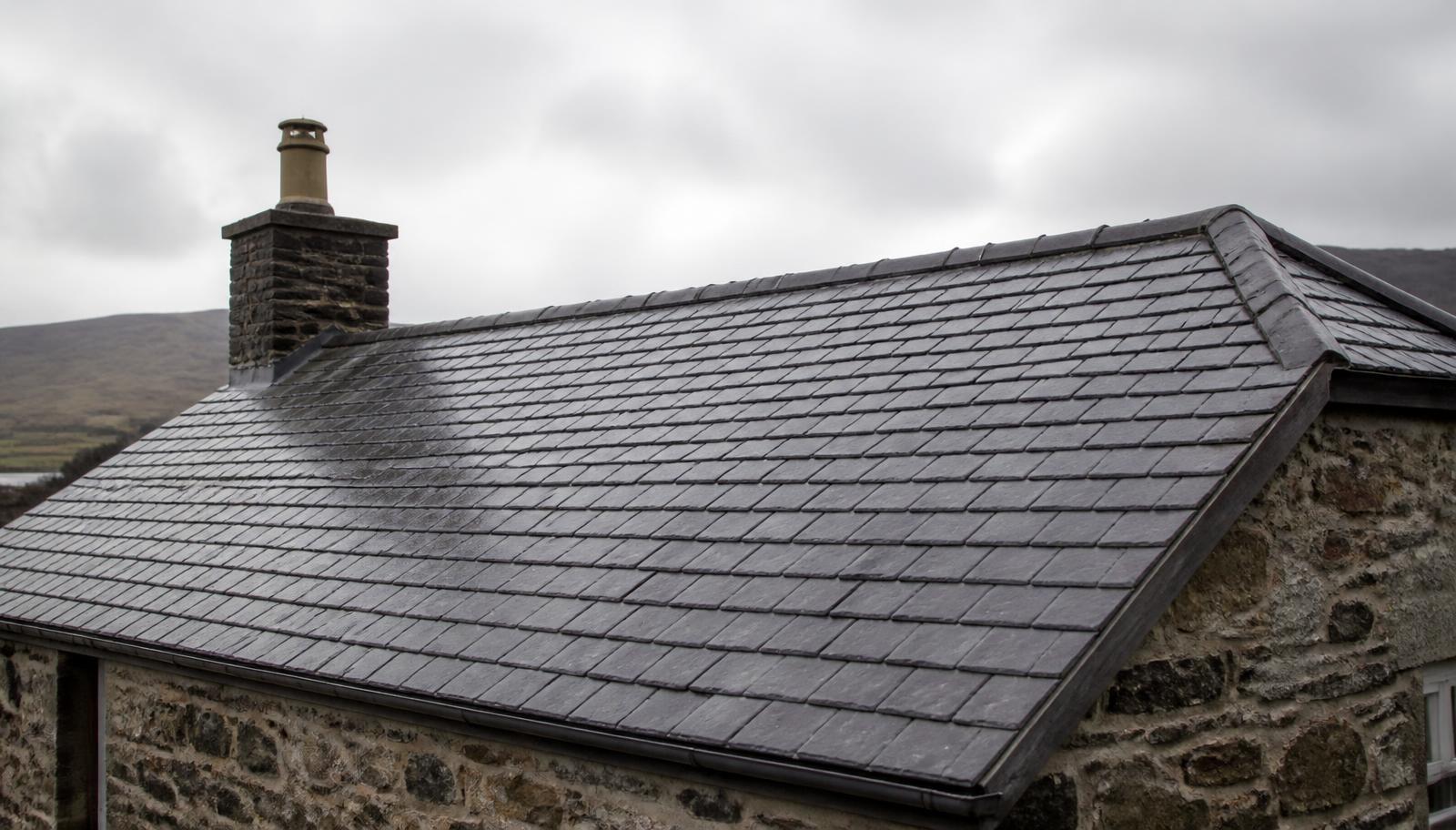
Heritage work is documented in detail: the condition as found, salvage sorting, the methods used and the completed detail. That record matters both for the building's history and for any consent conditions.