

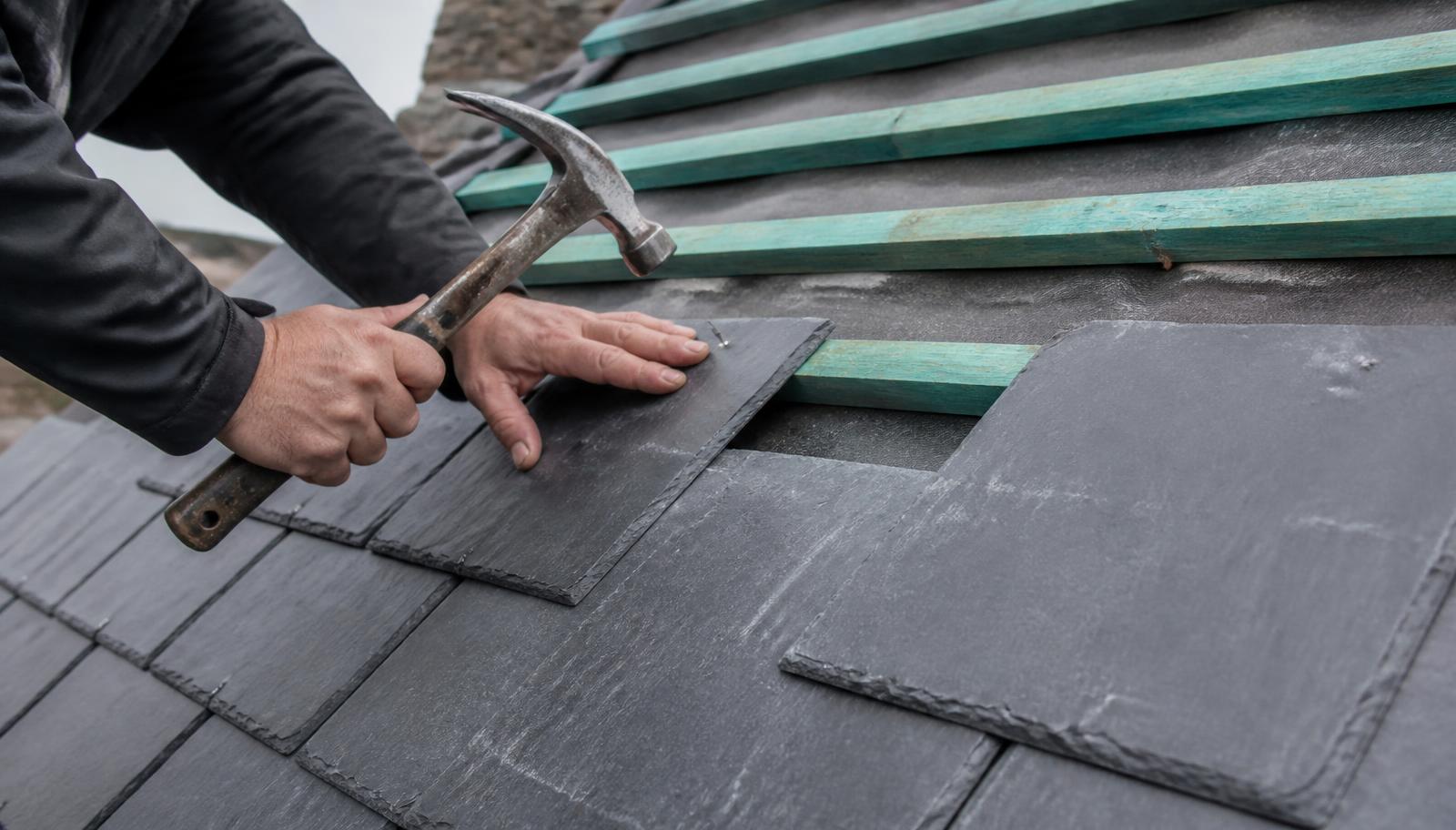
Advice
Roofing Advice — Plain-English Answers.
What the symptoms mean, how a leak is traced, what moves the price, and how repair-versus-replace decisions are actually made. Diagnosis first, recommendation second.
Browse by topic
8 answers
12 answers
8 answers
8 answers
9 answers
8 answers
10 answers
8 answers
7 answers
22 answers
Start from your situation
I've spotted a problem
Work out what a symptom usually means and how urgent it is.
I have a leak
Where leaks start, how the source is traced and when it's urgent.
I need to know the cost
What genuinely drives the price, and how to compare quotations.
Repair or replace?
How the decision is normally made, and what evidence supports it.
My roof was damaged by weather
First steps, make-safe work and insurance evidence.
I'm buying a property
What a roof inspection adds to a homebuyer survey.
I'm considering a drone inspection
When it's the right tool — and what it cannot establish.
I need to choose a roofer
The questions to ask before you accept a quotation.
All guides & answers
What are the early warning signs of roof damage?
Early signs can include a newly moved slate or tile, small ceiling marks, pieces of roofing material in gutters, deteriorating chimney or flashing details, persistent moss around drainage routes and changes following high winds. The useful question is whether the change is isolated or part of wider deterioration.
Is one missing roof tile or slate serious?
A single missing tile or slate may remain a small repair, but it exposes the roof beneath and can allow neighbouring pieces to move. The important part of the inspection is establishing whether the loss was isolated or whether nearby fixings, battens or coverings show the same deterioration.
Can strong winds move roof tiles without blowing them off?
Yes. Wind uplift can disturb tiles or slates and their fixings without completely removing them. From ground level the roof may still look intact, while small gaps or movement become vulnerable to wind-driven rain during later weather. Checking the covering, ridge and flashing details after a severe spell is a sensible precaution, particularly on exposed elevations that have taken the worst of the wind.
Why is my roof sagging?
Roof sagging can be associated with structural timber problems, prolonged moisture, excessive loading or previous alteration. Because the cause may extend beyond the roof covering itself, visible sagging deserves a proper assessment rather than being treated as a cosmetic defect.
Why is my roof leaking?
Common causes include displaced coverings, failed flashing, damaged valleys, chimney defects, rooflight details, flat-roof failures and storm damage. Water can travel inside the roof before appearing on a ceiling, so the visible damp patch is not always directly beneath the defect.
Is a leaking roof an emergency?
Significant active water ingress, bulging ceilings, dangerous loose materials or water close to electrical fittings should be treated urgently. A smaller leak may not require an out-of-hours response, but it still needs investigation because repeated wetting can increase the eventual repair.
Can a small roof leak cause serious damage?
Yes. Repeated water ingress can wet insulation, ceilings and timbers even when the visible stain remains small. The affected area inside a roof can be larger than the mark seen from the room below, making early diagnosis preferable to waiting for the symptom to worsen.
Why does my roof only leak during heavy rain or strong wind?
Wind-driven or heavy rain can force water into small weaknesses that remain dry in normal rainfall, including flashings, valleys, roof edges and moved coverings. Knowing the weather direction and conditions when the leak appears can therefore help narrow down the likely source.
Why is there damp in my loft?
Damp in a loft can result from an external roof defect, but condensation is another common cause. Ventilation, insulation, moisture patterns, weather conditions and the external covering need to be considered together before deciding that roof repairs are required. Treating the wrong cause tends to leave the damp returning, so it is worth resolving which explanation actually fits before any work is carried out.
How can I tell the difference between a roof leak and condensation?
A leak brings external water through a defect, while condensation forms when moist indoor air meets colder roof-space surfaces. Timing, weather, moisture distribution, ventilation and external defects can help distinguish the two, and sometimes both issues are present together. A careful look at the pattern usually settles which is more likely before any repair is agreed.
Why is water coming down my chimney breast?
Water near a chimney can originate from lead flashings, pointing, render, pots, caps or the surrounding roof covering. Because chimneys interrupt the normal roof surface, several details may need checking rather than assuming the nearest visible crack is the cause.
What should I do immediately when water is coming through my roof?
Move possessions away from the affected area, contain water where this is safe and avoid climbing onto a wet or damaged roof. If water is near electrics, ceilings are bulging or roofing material is unsafe, prioritise safety and obtain urgent professional assistance.
How do roofers work out where a leak is coming from?
A useful leak investigation combines the position and pattern of internal moisture with inspection of the external covering, flashings, valleys, chimneys, rooflights and drainage. Loft observations, dated photographs and drone imagery may provide additional evidence where roof areas are difficult to view.
How much does roof repair cost?
Roof repair prices vary because replacing one damaged slate is very different from rebuilding a valley, renewing leadwork or repairing damaged timber. Access, roof height, materials, labour, scaffolding and hidden deterioration all affect the quotation, so diagnosis should come before an exact price.
How much does it cost to repair a leaking roof?
There is no reliable single price for a roof leak because the damp patch does not identify the repair required. A displaced covering may be simple to put right, while defective leadwork, damaged valleys, saturated decking or structural deterioration can involve substantially more time and materials.
How much does replacing a broken slate or tile cost?
The replacement slate or tile itself may be inexpensive, but roof height, pitch, safe access, surrounding damage and the condition of fixings or battens can influence the overall cost. A quotation should therefore describe more than simply the price of the replacement material.
Why can a small roof repair be expensive?
Roof repair pricing includes more than the visible replacement part. Diagnosis, skilled labour, travel, equipment, insurance and safe access all contribute. On high or difficult roofs, safely reaching a relatively small defect may represent a significant part of the job.
Does roof repair always require scaffolding?
No. The safe access method depends on the height, pitch, duration and type of work involved. A drone may sometimes provide a useful initial visual assessment without scaffolding, but carrying out the repair itself can still require appropriate, properly arranged physical access to the roof.
Should I get a roof inspection before asking for a repair price?
For anything beyond an obvious small defect, an inspection helps define what is actually being priced. Photographs and documented findings make it easier to understand the scope, compare recommendations and reduce the chance that a quotation is based only on an assumed cause.
How much does a new roof cost?
New-roof cost depends on roof size, design, covering, insulation, access, scaffolding, chimneys, valleys and whether timber or structural repairs are needed. A straightforward tiled roof cannot be priced meaningfully in the same way as a complex natural-slate or heritage roof.
How long does replacing a roof take?
A straightforward domestic re-roof may take several working days, while complex roofs, traditional slate, structural repairs and poor weather can extend the programme. The contractor should explain the expected sequence and how the property will be protected during the work.
Can old slate be reused when a roof is replaced?
Sound natural slate can often be sorted and reused, particularly on traditional properties where retaining suitable original material is desirable. Damaged, thin or unsuitable pieces must be rejected and compatible replacement slate may be needed to complete the roof. Each slate needs handling and checking individually, since delamination and fatigue are not always obvious until it is lifted.
Does an old roof automatically need replacing?
No. Age is only one part of the decision. An older natural-slate roof may retain useful life while a newer roof with poor detailing can experience significant problems. The condition of the covering, fixings, battens, flashings and supporting structure is more informative.
What is different about re-roofing a traditional slate property?
Traditional slate work may require careful sorting and reuse of sound slate, compatible replacements, appropriate fixing patterns, sympathetic leadwork and attention to historic roof details. Listed or conservation properties can also require additional consent and documentation before work can proceed, so checking the property status early avoids delays once the roof is stripped.
How long does a roof last?
Roof life varies greatly with material, workmanship, exposure and maintenance. Some flat-roof systems have a lifespan measured in decades, while quality natural slate can last much longer. Fixings, battens, flashings or detailing may deteriorate before the main covering, so a single figure rarely tells the whole story.
How long does a natural slate roof last?
Good natural slate can remain serviceable for many decades and in suitable conditions can last considerably longer than many modern coverings. Older slate roofs often develop problems first with nails, fixings, battens, flashings or previous repairs rather than the slate itself, so assessing the whole system matters more than the slate's age alone.
How long does a flat roof last?
Flat-roof lifespan depends heavily on the chosen system, installation, drainage, roof movement and maintenance. Felt, EPDM and GRP can all perform effectively when correctly designed and installed, so condition matters more than relying on one universal lifespan figure attached to a particular material.
How often should I have my roof inspected?
There is no single interval suitable for every property. Older roofs, exposed sites, traditional coverings and roofs surrounded by trees may justify closer monitoring. Inspection is particularly useful after severe weather or whenever a new defect or internal symptom appears, rather than only on a fixed calendar.
Should I wait until my roof leaks before arranging maintenance?
No. Many visible defects develop before water reaches the interior. Displaced coverings, deteriorating leadwork, blocked drainage or damaged chimney details can sometimes be dealt with while the repair is still localised, rather than waiting for an internal symptom to confirm that water has already found a route in.
What roof maintenance can prevent expensive repairs?
Useful maintenance includes keeping drainage routes clear, acting on moved tiles or slates, checking chimney and leadwork deterioration and investigating damp promptly. The aim is not constant intervention but noticing meaningful change before repeated water exposure causes wider damage to timber, insulation or ceiling finishes.
Why are my gutters overflowing?
Common causes include moss, leaves, blocked downpipes, poor falls, damaged joints or inadequate drainage capacity for the roof area served. Persistent overflow deserves attention because repeated saturation can affect roof edges, fascias and adjacent building materials over time, so the cause is worth establishing rather than guessed at.
Is EPDM better than felt roofing?
EPDM can offer flexibility and relatively few seams, while modern felt is a proven roofing system with its own advantages. Roof design, edge detailing, penetrations, deck condition and installer competence matter more than choosing a material from its name alone, and either can perform well when correctly specified and installed.
Is GRP fibreglass better than EPDM?
Neither is universally better. GRP creates a rigid, seamless finish, while EPDM is a flexible membrane suitable for many roof forms. Movement, deck construction, detailing and intended use should determine which system is appropriate for a given roof, and both can give a long service life when correctly specified and fitted.
Why does my flat roof keep leaking?
Recurring leaks can come from ageing coverings, failed seams, trims, penetrations, poor drainage, cracks or damaged decking. When different areas of the same roof repeatedly require patch repairs, the condition of the complete roof system should be assessed rather than continuing to treat each new leak as an isolated event.
Can a flat roof be repaired instead of replaced?
A local repair can make sense when the surrounding covering and roof deck remain sound. Replacement becomes more likely when deterioration is widespread, the deck is damaged, ponding is persistent or repeated repairs are failing in different places, so the extent of the problem should be established before either option is decided on.
Should water sit on a flat roof after rain?
Small amounts may remain briefly after rainfall, but persistent ponding can indicate poor falls, blocked drainage or deformation in the roof structure or deck. If water consistently remains long after surrounding areas have dried, the roof and its drainage arrangement should be assessed rather than assumed to be a normal feature.
Is storm damage to a roof covered by home insurance?
Many policies can cover sudden insured storm damage, but the exact position depends on the policy and cause. Insurers commonly distinguish sudden storm damage from deterioration, lack of maintenance or ordinary wear and tear. A clear, dated record of what was found can help support that assessment, though the final decision always rests with the insurer.
Will insurance pay for an old leaking roof?
Home insurance generally does not exist to fund ordinary roof ageing or maintenance. Coverage may apply where an insured event causes damage, but policy wording and the insurer's assessment determine the outcome. An honest, evidenced account of the roof's condition can help that conversation, though we cannot advise on what a specific policy will or will not pay.
Can roof inspection photographs help with an insurance claim?
Photographs can provide useful evidence of visible roof condition and damage, particularly where areas cannot be seen from ground level. They do not guarantee an insurer will accept a claim, but dated and clearly referenced imagery can make the circumstances easier to document.
Can high winds damage a roof even if nothing has blown off?
Yes. Coverings, ridge details and fixings can move without falling to the ground. Small changes may only become obvious when wind-driven rain later enters, which is why an exposed roof may warrant inspection after unusually severe weather. Checking eaves, verges and ridge lines for loosened fixings is often more revealing than a general look across the roof.
What counts as an emergency roofing problem?
Major active water ingress, unsafe loose materials, obvious structural movement, storm-created openings and water threatening electrical installations are examples of urgent problems. A defect can still require prompt repair without necessarily requiring an emergency callout, and distinguishing the two helps avoid unnecessary out-of-hours costs while still getting the roof made safe.
How do I choose a good roofer?
Check the contractor's real trading identity, insurance, relevant experience, previous work and independent reviews. A useful roofing contractor should also be able to explain what they found, why particular work is recommended and what is included in the quotation. Being unhurried about these checks is itself a reasonable sign, since a genuine business rarely objects to being verified before work is agreed.
What should I ask a roofer before hiring them?
Ask how the problem was diagnosed, who will carry out the work, what materials are proposed, how access will be provided, what the quotation includes, payment terms, timescale, waste removal, insurance and what guarantees apply. Getting clear answers to these before work starts avoids most of the disputes that surface later once the job is under way.
What should a roofing quotation include?
A useful quotation should identify the work proposed, key materials, access or scaffolding, waste arrangements, payment terms, anticipated programme and applicable guarantees. Where diagnosis is not obvious, it should also be clear what defect the proposed work is intended to correct.
Should I get more than one roofing quote?
For significant work, comparing several quotations can be sensible. Look beyond the headline price and check whether contractors have identified the same defect, proposed comparable work and clearly included access, materials and guarantees. Where conclusions differ sharply between contractors, it is worth asking why before deciding on price alone.
How can I check whether a roofer is legitimate?
Verify the business name, contact details, insurance, reviews and trading history independently. Be cautious where someone pressures you to decide immediately, cannot clearly explain the proposed work or asks for disproportionate upfront payment. A landline number and a fixed trading address are simple checks that add real confidence a genuine business stands behind the quotation.
What should I do if a roofer says I need a complete new roof?
Ask to see the evidence supporting replacement and why local repair is no longer considered economical. For substantial expenditure, a second professional opinion can be useful unless the roof condition and urgency are already clear. A confident contractor should be able to walk you through specific findings rather than relying on a general impression of the roof's age.
How long should a roofing guarantee last?
There is no universal guarantee period for every roofing job. Homeowners should check whether the protection covers workmanship, materials or both, what exclusions apply, how a claim is made and whether separate manufacturer protection exists. A shorter guarantee with clear terms and a straightforward claims route is often more useful than a longer one weighed down with exclusions.
Is a manufacturer's roofing warranty the same as a workmanship guarantee?
No. Manufacturer protection normally relates to a particular product or roofing system, while a workmanship guarantee relates to installation. One does not automatically provide the same protection as the other, and keeping both sets of paperwork makes any future claim considerably easier to resolve.
Do I need planning permission to replace my roof?
Straightforward repair or like-for-like replacement often does not require a planning application, but significant changes, listed-building status, conservation restrictions and property-specific planning conditions can alter the position. Requirements should be checked for the individual project with the local planning authority before a specification is finalised.
Do roof repairs need Building Regulations approval?
Minor maintenance may not require approval, while substantial re-roofing, structural alteration and insulation work can bring Building Regulations requirements into play. The scope of the actual project should be checked rather than assuming all roofing work is treated the same.
Can I replace the roof on a listed building?
Roof work on a listed building requires particular care, because changes to historic fabric, appearance or materials may require consent from the local authority before work begins. Retaining serviceable traditional materials and matching replacement slate, leadwork and mortar are usually important parts of the project, and it is worth confirming what is permitted, and recording the existing roof in detail, before anything is stripped.
How are heritage roof repairs different from ordinary roof repairs?
Heritage repair usually involves preserving sound existing material, matching slate sizes and traditional detailing, using compatible leadwork or lime-based mortar where appropriate, and recording what is removed and retained. Listed-building or conservation requirements can also affect the specification and approvals, so the survey stage tends to be more detailed than on a modern roof of similar size.
What happens during a professional roof inspection?
A roof inspection assesses visible coverings and vulnerable details such as ridges, valleys, flashings, chimneys, roofline and drainage. Depending on access and the problem, observations may also be made from the loft, from physical roof access or using drone imagery.
What is the difference between a roof inspection and a roof survey?
An inspection may focus on establishing visible roof condition and the cause of a particular problem, while a more detailed survey can provide a broader documented condition report. The appropriate level depends on whether the purpose is repair diagnosis, maintenance, a property purchase or portfolio documentation.
Should I have a roof inspected before buying a house?
A specialist roof inspection can be valuable where the covering is older, difficult to view or has already raised concerns. It can provide more focused information about visible roofing defects and help a buyer understand possible future repair requirements. It works alongside the buyer's own survey rather than replacing it, adding evidence rather than a second, competing opinion.
Does a normal house survey inspect the roof properly?
A property survey normally considers the roof, but the level of detail and available viewing positions depend on the survey and access. Where the roof is a specific concern, additional specialist or drone inspection can provide closer visual evidence of difficult areas.
What are the benefits of a drone roof inspection?
Drone inspection can provide detailed visual evidence of high or difficult roof areas without someone initially walking across the covering. It can help document defects, improve understanding of repair recommendations and create imagery that can be retained as part of the inspection record.
Is a drone roof inspection safer than walking on the roof?
A drone can reduce the need to walk onto a high, fragile or uncertain roof merely to obtain an initial visual assessment. Physical inspection may still be necessary where materials, fixings or concealed details need to be touched, lifted or tested.
Can a drone roof inspection find the cause of a leak?
Drone imagery can reveal visible defects that may explain a leak, such as moved coverings, failed flashing or damaged roof junctions. It cannot see every concealed defect, and because water can travel internally it may need to be combined with loft or physical investigation.
What can a drone roof inspection actually see?
Depending on the property and flight position, drone imagery can show roof coverings, ridges, valleys, chimneys, flashings, gutters, rooflights and visible surface damage from several angles that are difficult to obtain from ground level. Weather, light and roof complexity all affect how much detail is captured on any given day.
Should I book a drone inspection after a storm?
A drone inspection can be particularly useful after severe weather where roof areas are high, difficult to see or potentially unsafe to access. Images can document visible movement or damage before repair decisions are made, and a dated record shortly after the event is more useful than a description based on memory later.
Can a drone roof inspection save money?
Potentially. A drone may avoid expensive access where the immediate need is simply to see and document a defect, and clearer information can improve repair scoping. It will not remove the cost of physical access where that access is necessary to carry out the work.
Can a drone roof inspection avoid scaffolding?
Sometimes a drone can avoid scaffolding that would otherwise be needed purely to view the roof during initial diagnosis. If a repair requires hands-on access, scaffolding or another suitable access system may still be necessary. The two decisions are separate, and it is worth establishing the likely scope of work before assuming either way.
Is a drone inspection useful for high or difficult roofs?
Yes. Height, multiple roof levels, extensions, chimneys and complex junctions can make ground-level assessment incomplete. Drone photography can capture several elevations before deciding whether physical access is also required, which helps focus any further inspection on the areas that genuinely need it rather than the whole roof by default.
What can't a drone roof inspection detect?
Drone imagery cannot reliably assess concealed timber decay, hidden underlay, fixings beneath the covering or every source of water ingress. It is a powerful visual inspection method, not a substitute for every hands-on, internal or invasive investigation, and stating these limits plainly is part of giving an honest assessment rather than overselling what a camera can show.
Is a drone roof inspection useful before buying a property?
It can be useful where roof areas are difficult to inspect from ground level or a survey has raised concerns. Detailed imagery can help document visible defects before a purchaser decides whether more investigation or repair-cost information is needed, and is best arranged before exchange while there is still time to act on what it shows.
Can drone photographs support a roof insurance claim?
Drone images can document visible damage and roof condition, which may be useful when explaining a storm event or repair requirement. The insurer decides whether a claim is covered, so imagery should be treated as supporting evidence rather than proof that a claim will succeed.
Can a drone inspection help produce a more accurate roofing quote?
Better visual information can help a roofer understand where defects are and the visible extent of the work before pricing. It can reduce uncertainty, although physical access may still reveal conditions that were concealed from the camera, so a quotation based on imagery alone should still allow for findings that only appear once work begins.
Will I receive photographs or a report from a roof inspection?
The value of a documented inspection is that the homeowner can see what was found rather than relying only on a verbal description. Photographs, referenced defects and clear next steps can also be useful when comparing work, monitoring the roof or sharing findings with another professional.
Signs your roof needs an inspection
Slipped tiles, damp patches on ceilings, moss build-up and blocked gutters all point to a roof that would benefit from a proper inspection.
Repair or replace? How the decision is usually made
The pattern of failure across the whole roof, not the count of visible defects, is what should decide between repair and replacement.
Storm damage: what to do first
Keep people clear of falling material, record what you can see safely, then arrange an inspection before permanent repairs are planned.
Moss on a roof: when it matters and how it should be removed
Moss is common on shaded slopes and rarely urgent, but heavy growth can hold moisture, block drainage or hide a defect underneath.
Flat roof options explained: felt, GRP and EPDM
Felt, GRP and EPDM can all perform well when correctly specified; deck condition, shape and detailing matter more than the material's reputation.
Why so many roof leaks start at the chimney
Chimneys break the continuity of the covering, so several materials meet in one place and weather at different rates.
Most-used guides
What are the early warning signs of roof damage?
Early signs can include a newly moved slate or tile, small ceiling marks, pieces of roofing material in gutters, deteriorating chimney or flashing details, persistent moss around drainage routes and changes following high winds. The useful question is whether the change is isolated or part of wider deterioration.
Is one missing roof tile or slate serious?
A single missing tile or slate may remain a small repair, but it exposes the roof beneath and can allow neighbouring pieces to move. The important part of the inspection is establishing whether the loss was isolated or whether nearby fixings, battens or coverings show the same deterioration.
Can strong winds move roof tiles without blowing them off?
Yes. Wind uplift can disturb tiles or slates and their fixings without completely removing them. From ground level the roof may still look intact, while small gaps or movement become vulnerable to wind-driven rain during later weather. Checking the covering, ridge and flashing details after a severe spell is a sensible precaution, particularly on exposed elevations that have taken the worst of the wind.
Why is my roof sagging?
Roof sagging can be associated with structural timber problems, prolonged moisture, excessive loading or previous alteration. Because the cause may extend beyond the roof covering itself, visible sagging deserves a proper assessment rather than being treated as a cosmetic defect.
Why is my roof leaking?
Common causes include displaced coverings, failed flashing, damaged valleys, chimney defects, rooflight details, flat-roof failures and storm damage. Water can travel inside the roof before appearing on a ceiling, so the visible damp patch is not always directly beneath the defect.
Is a leaking roof an emergency?
Significant active water ingress, bulging ceilings, dangerous loose materials or water close to electrical fittings should be treated urgently. A smaller leak may not require an out-of-hours response, but it still needs investigation because repeated wetting can increase the eventual repair.
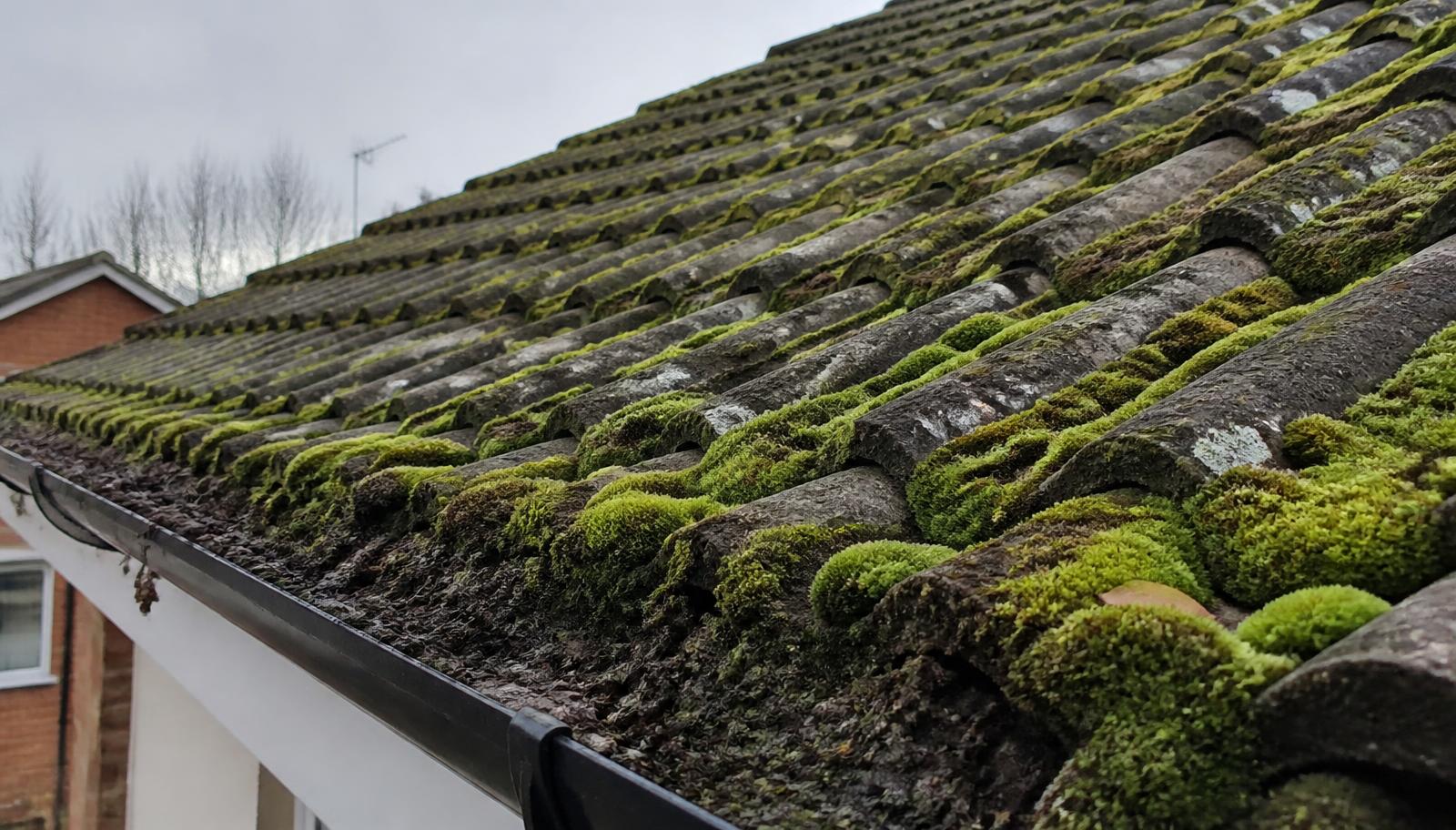
Book a roof inspection or drone survey
Documented findings before any repair is quoted. Suitable for pre-purchase checks, storm-event assessment and inaccessible roofs.
Roof emergency?
For active leaks, storm damage, fallen materials or an unsafe chimney — call. Make-safe work first, permanent repair scheduled after inspection.