

Skip to content

Active leak, storm damage or unsafe chimney? See emergency guidance.

07340 587487
S Reid Roofing Ltd — covering your home, built to last
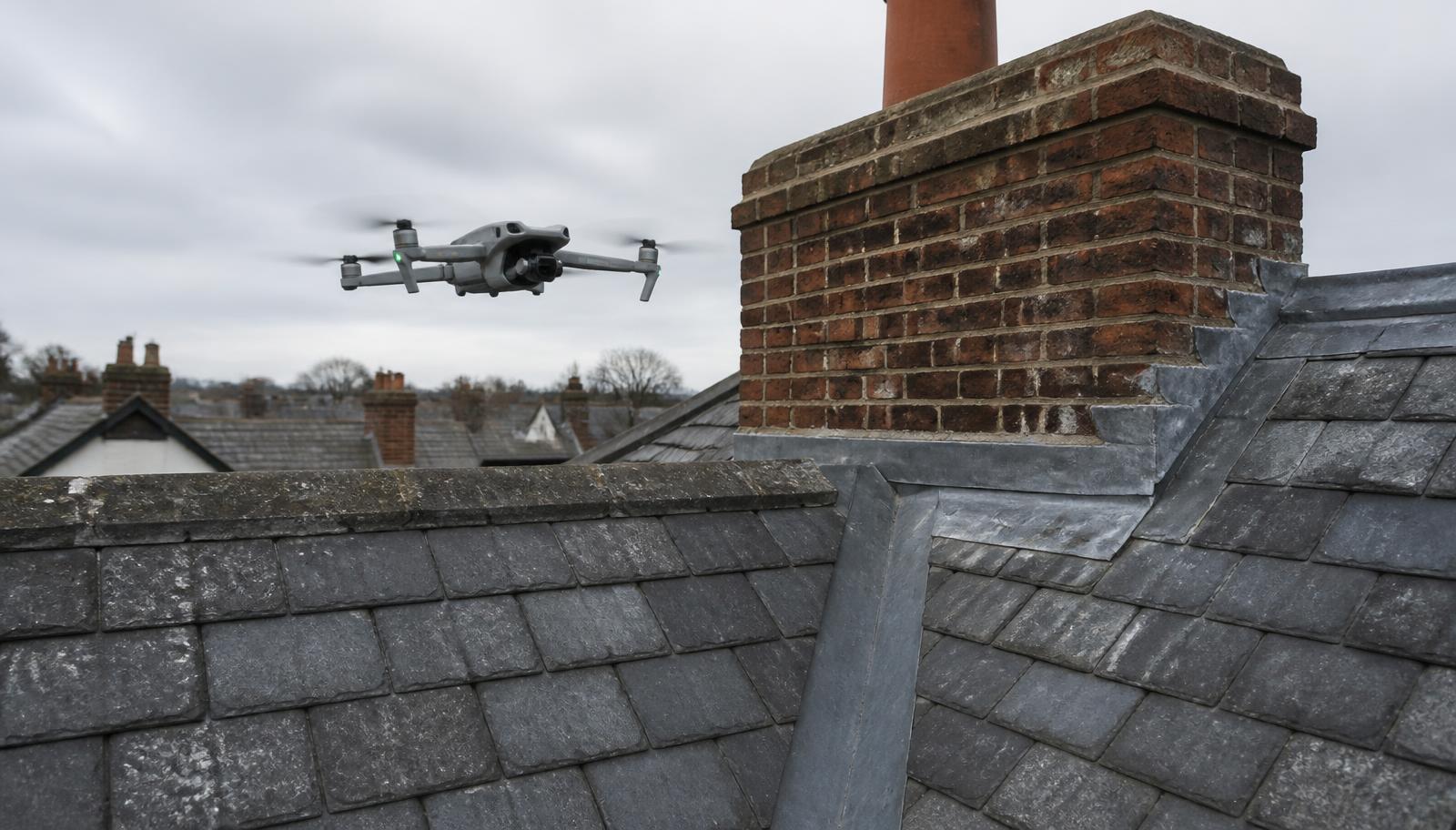
Survey drone hovering beside a brick chimney stack and lead-lined valley on a British slate roof during a non-intrusive inspection.

Roofing advice

Roof inspections and drone surveys

What a roof inspection establishes, when a drone survey is the right tool, what drone imagery can and cannot show, and how findings are documented.

Quick answer

An inspection should end with written findings and photographs, not a verbal opinion. A drone survey suits roofs that are tall, steep, fragile or unsafe to access, and records the covering, ridge, valleys, flashings and chimney in detail without scaffolding — but it records what is visible, and nothing more.

Inspection is where our approach differs most from a quote given at the door: evidence first, recommendation second. That record also lets you compare quotations fairly and support an insurance claim.

This section covers both walked and drone inspections, including the limits of each. Being clear about what a survey cannot establish is part of doing it properly.

Guides in this topic

Questions people ask about this

Can a drone inspect a chimney?

Yes. A drone can provide useful views of pots, pointing, flashings, render and other external chimney details, particularly faces that cannot be seen clearly from ground level. It cannot confirm internal flue condition or the state of concealed flashings beneath the visible surface, so a suspected internal or structural issue may still need closer investigation.

Can a drone inspect roof valleys and gutters?

Drone imagery can show visible debris, displaced coverings and deterioration around valleys and gutters. It can also show obvious gutter blockage, but it cannot necessarily establish whether a downpipe is internally blocked, so persistent overflow with a clear visible gutter run may still need a physical check further down the drainage system.

Can a drone inspect a flat roof?

Yes. Drone imagery can provide a useful overview of flat-roof surfaces and may show ponding, debris, visible deterioration, damaged trims and drainage issues. Concealed deck condition and membrane adhesion still require other investigation where suspected, since these cannot be confirmed from an aerial image alone.

Relevant services

Book a roof inspection or drone survey

Documented findings before any repair is quoted. Suitable for pre-purchase checks, storm-event assessment and inaccessible roofs.

Back to all roofing advice