

Reviewed by the S Reid Roofing Ltd team — last reviewed 2026-09-15
Quick answer
An inspection may focus on establishing visible roof condition and the cause of a particular problem, while a more detailed survey can provide a broader documented condition report. The appropriate level depends on whether the purpose is repair diagnosis, maintenance, a property purchase or portfolio documentation.
At a glance
- Inspections are usually problem-led; surveys are usually condition-led.
- A survey typically covers the whole roof and produces a fuller written record.
- The right choice depends on what the findings need to be used for.
- Neither should assume replacement before the roof has actually been looked at.
Two different starting points
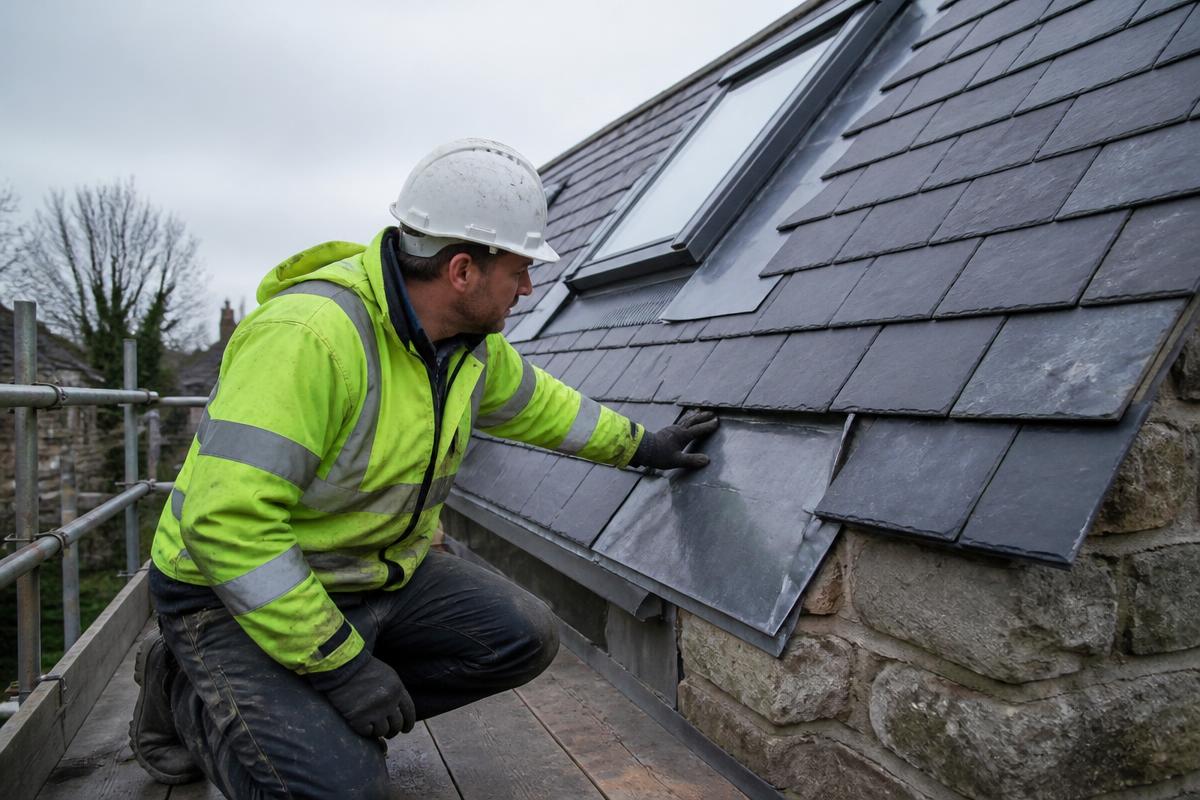
An inspection is normally triggered by something specific: a leak, a missing tile, storm damage or a concern raised by someone else. It focuses on establishing what is wrong, where, and why, and gives enough information to recommend a repair or further investigation.
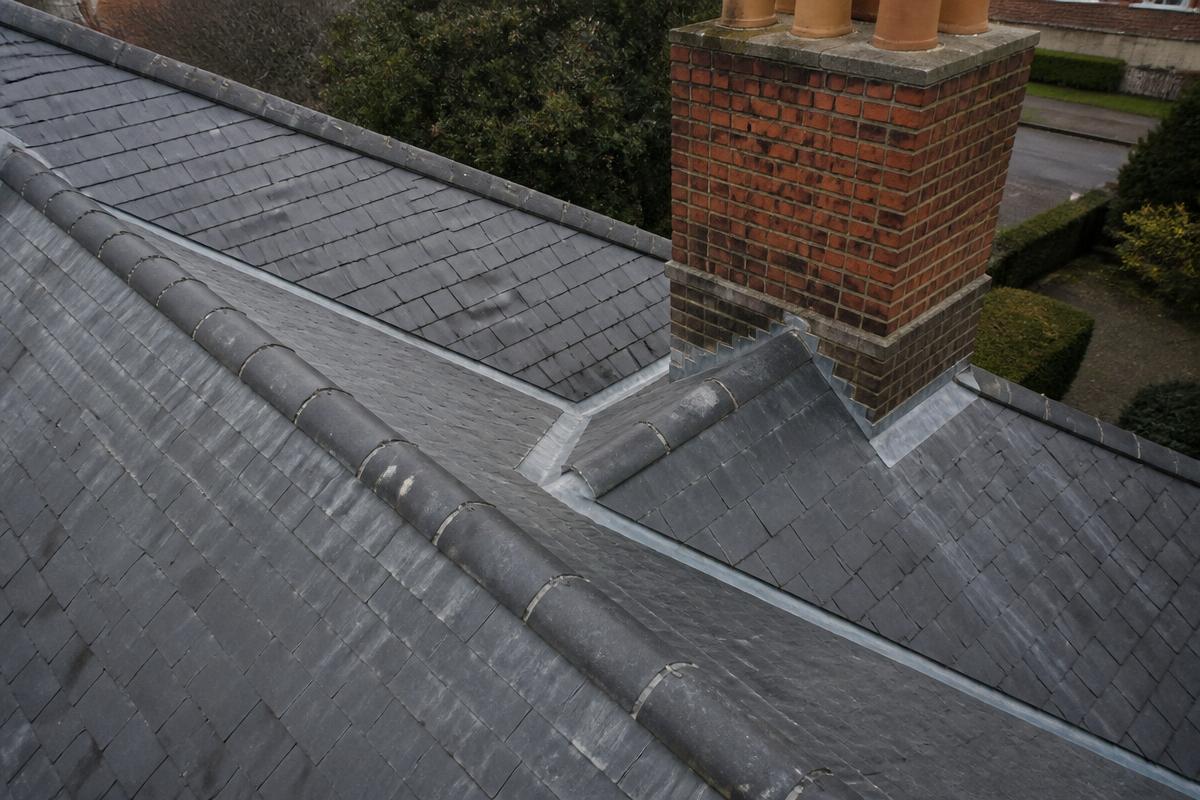
A survey takes a broader view. It is less about answering one question and more about recording the condition of the whole roof — coverings, structure where visible, drainage and detailing — so that the document can be used for planning, budgeting or a property transaction.
Choosing between them
If the goal is to understand and fix a specific problem, an inspection is usually the proportionate starting point. If the goal is a documented record to support a purchase, a maintenance plan or a portfolio of properties, a survey is more likely to be the right fit.
Where an inspection uncovers wider issues than expected, it is reasonable for the scope to expand into a fuller survey rather than being repeated from scratch.
What each document typically contains
An inspection report is usually short and focused: what was found, where, and what it means for the specific concern raised. It does not need to describe every slope in equal depth if only one area is under question.
A survey report is typically longer and more structured, working systematically across every roof plane, covering, junction and drainage element, often with a condition rating attached to each. That structure is what makes it useful for planning future spend or supporting a transaction.
Cost and time considerations
Because a survey covers more ground and produces a fuller record, it generally takes longer on site and results in a more detailed document than a focused inspection. That is not a reason to always choose the cheaper, quicker option — it simply means the choice should match the actual purpose.
A homeowner who only wants reassurance about a specific leak does not usually need a whole-roof condition survey, just as a buyer wanting a full picture before purchase is unlikely to be well served by a single-issue inspection.
Cost and time considerations in practice
A survey generally takes longer on site and produces a longer document, reflecting the wider ground it covers, while an inspection is usually quicker and more narrowly focused on the reported concern.
Choosing the wrong one is rarely dangerous, but it can be inefficient — paying for a full condition survey to answer a single leak question, or receiving only a narrow inspection when a fuller record was actually needed for a house sale.
What we would check
During an inspection, areas we would normally look at for this include:
- The specific problem reported, if there is one.
- Whether the roof shows signs of wider deterioration beyond that problem.
- What the findings need to be used for — repair, purchase or maintenance planning.
- Access and visibility across the whole roof, not just the area in question.
Roof photography
Related questions
Relevant services
Book a roof inspection or drone survey
Documented findings before any repair is quoted. Suitable for pre-purchase checks, storm-event assessment and inaccessible roofs.