

Reviewed by the S Reid Roofing Ltd team — last reviewed 2026-09-15
Quick answer
A property survey normally considers the roof, but the level of detail and available viewing positions depend on the survey and access. Where the roof is a specific concern, additional specialist or drone inspection can provide closer visual evidence of difficult areas.
At a glance
- General surveys usually assess the roof from ground level or a loft hatch.
- Access constraints on the day can limit what a surveyor is able to see.
- A specialist follow-up inspection is a normal, sensible next step, not a challenge to the surveyor.
- Closer imagery can clarify a concern the surveyor could only describe generally.
What a general survey typically covers
Surveyors assessing a roof as part of a wider property survey are usually working from ground level, from windows, or from a loft hatch, and within a limited time on site. They are trained to flag apparent defects and risks, but are not always specialist roofers, and will often recommend further investigation where something looks uncertain.
This is a reasonable and common outcome rather than a shortcoming — a general survey is not designed to replace a roofing specialist's close inspection of every detail.
Where a specialist follow-up helps
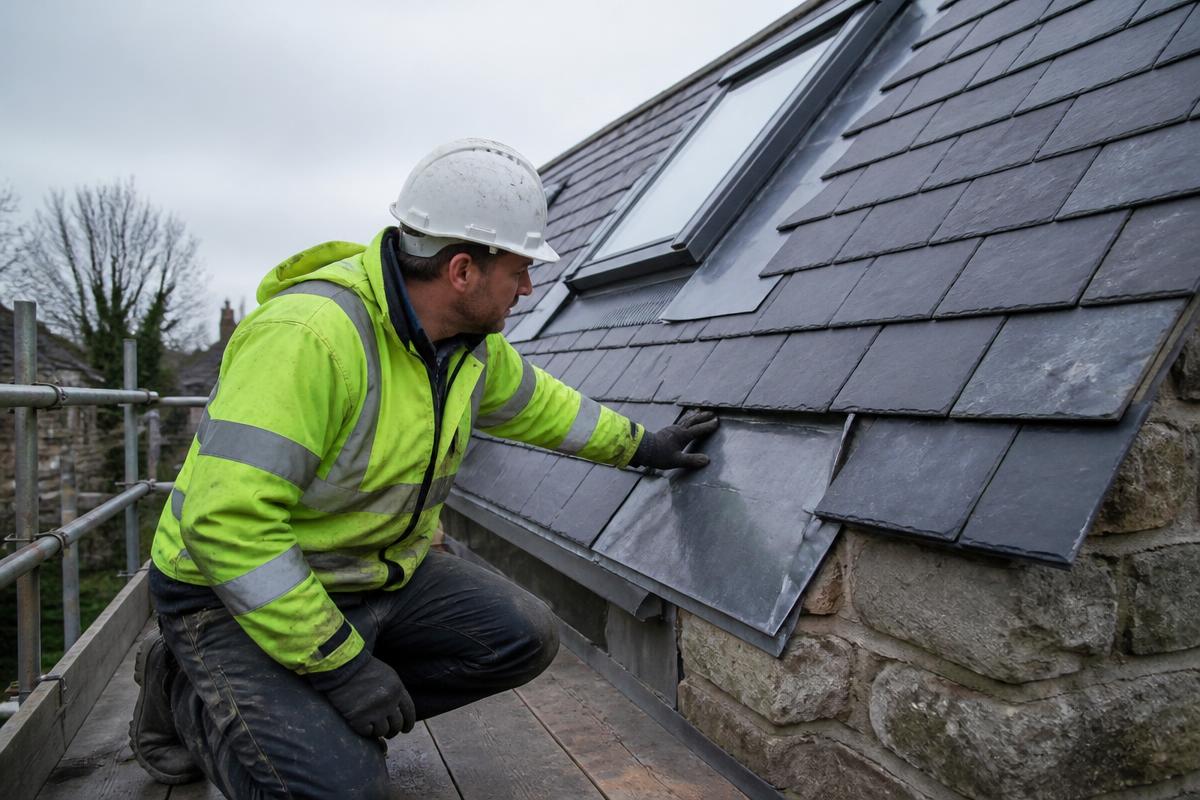
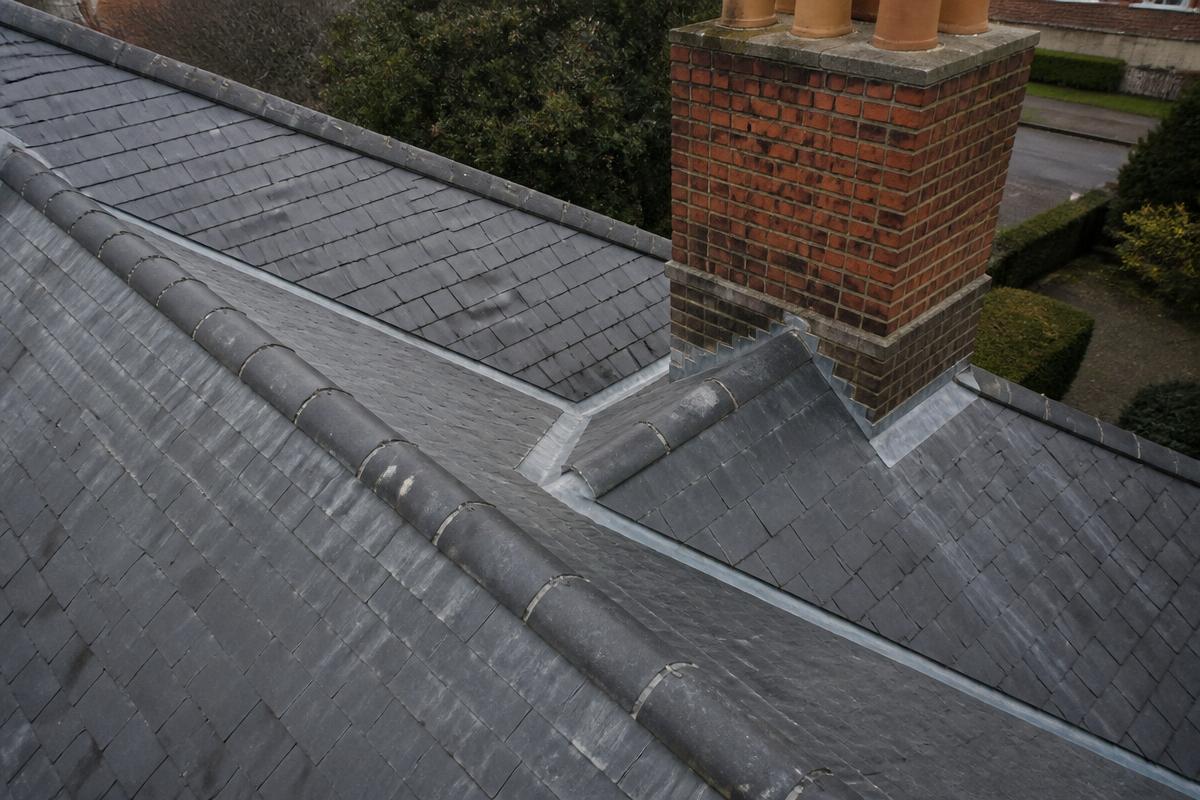
When a survey raises a flag — 'roof covering appeared in fair condition, recommend specialist inspection' being a typical phrase — a focused inspection can look specifically at that area, at closer range and from more viewpoints, including by drone where height or pitch limit ground-level and loft observation.
The result is more specific information: what the defect actually is, how extensive it appears, and what it is likely to need, rather than a general caution.
Typical wording that signals a gap
Standard survey reports often use cautious, general phrasing for roofs — condition described as 'fair', with a note that access was limited or that a specialist opinion is recommended. This wording is not a red flag in itself; it is simply an acknowledgement of what could realistically be checked on the day.
Recognising this phrasing for what it is, rather than either ignoring it or assuming the worst, is the first step towards deciding whether a follow-up inspection is worthwhile.
Getting the most from a follow-up visit
When arranging a specialist inspection after a general survey, it helps to share the survey's roof section in advance, so the follow-up can be targeted at the areas already flagged rather than starting from scratch.
The resulting report should directly address the surveyor's comments — confirming, narrowing down or, where appropriate, disagreeing with the initial impression — so that the buyer or homeowner ends up with a clear, joined-up picture rather than two separate, disconnected opinions.
Recognising the surveyor's own caveats
Many general survey reports include a standard disclaimer about limited roof access, particularly where no independent means of close inspection was used on the day. This wording is a genuine, professional acknowledgement of a real constraint, not filler text, and should be read as an invitation to seek closer evidence if the roof is a genuine concern.
What we would check
During an inspection, areas we would normally look at for this include:
- The specific area or defect the survey flagged.
- Whether the concern is isolated or part of wider deterioration.
- Viewpoints the original survey could not access.
- Whether loft evidence supports or contradicts the external observation.
Roof photography
Related questions
Relevant services
Book a roof inspection or drone survey
Documented findings before any repair is quoted. Suitable for pre-purchase checks, storm-event assessment and inaccessible roofs.