

Reviewed by the S Reid Roofing Ltd team — last reviewed 2026-09-15
Quick answer
There is no single interval suitable for every property. Older roofs, exposed sites, traditional coverings and roofs surrounded by trees may justify closer monitoring. Inspection is particularly useful after severe weather or whenever a new defect or internal symptom appears, rather than only on a fixed calendar.
At a glance
- Age, exposure, covering type and surroundings all affect a sensible interval.
- Trees near a roof increase debris, moss growth and blocked drainage.
- Severe weather is a sound trigger for a check regardless of when the last one was.
- A new internal symptom should prompt inspection sooner than any schedule.
Why one interval does not fit every roof
A modern, well-detailed roof on a sheltered site with no overhanging trees carries a different risk profile from a traditional slate roof on an exposed hillside surrounded by mature trees. Treating both the same, with an identical fixed inspection interval, either wastes effort on the first property or leaves the second one under-checked.
Instead, the interval is better set by looking at the actual risk factors: age and known history of the roof, its exposure to wind and driven rain, the covering type and how it typically ages, and anything in the surroundings — trees, nearby structures, or unusual water flow — that adds risk of debris or blockage. A roof with a documented history of minor repairs also warrants closer attention than one with no known issues, simply because it has already shown one weak point.
Event-based triggers matter as much as scheduled checks
Alongside any routine schedule, certain events are worth treating as their own trigger for inspection: a significant storm, an unusually heavy snowfall, or the first appearance of a new symptom such as a ceiling stain, a damp smell in a loft, or debris appearing in a gutter that was not there before. Waiting for the next scheduled check in these circumstances risks a small issue becoming larger.
Severe wind events in particular can loosen or displace coverings, lift flashings, or dislodge chimney mortar without necessarily causing an immediate leak. That damage can then sit unnoticed until the next heavy rain, at which point water finds the new gap. Checking after a notable storm, rather than assuming that no immediate leak means no damage, catches this category of defect while it is still a simple repair.
Setting a sensible interval in practice
For many ordinary domestic roofs in reasonable condition, an inspection every one to two years, combined with a check after any severe weather, is a reasonable starting point, though this should be adjusted based on the specific property. Roofs with traditional coverings, known repair history, significant tree cover, or particularly exposed positions in north Cumbria and South West Scotland may benefit from more frequent checks, while a recently re-covered roof on a sheltered site may need less frequent attention in its early years.
The most useful approach is to treat any recommended interval as a starting point rather than a fixed rule, and to remain alert to the trigger events described above regardless of when the roof was last checked. This keeps the frequency of inspection proportionate to the actual risk the roof faces, rather than following a generic schedule that may not suit the property at all.
What we would check
During an inspection, areas we would normally look at for this include:
- The roof's age, covering type and any known repair history.
- Exposure to prevailing wind and driven rain on the site.
- Overhanging trees, moss growth and drainage obstruction risk.
- Any recent internal symptoms reported by the occupier.
- Whether the roof has been checked since the last severe weather event.
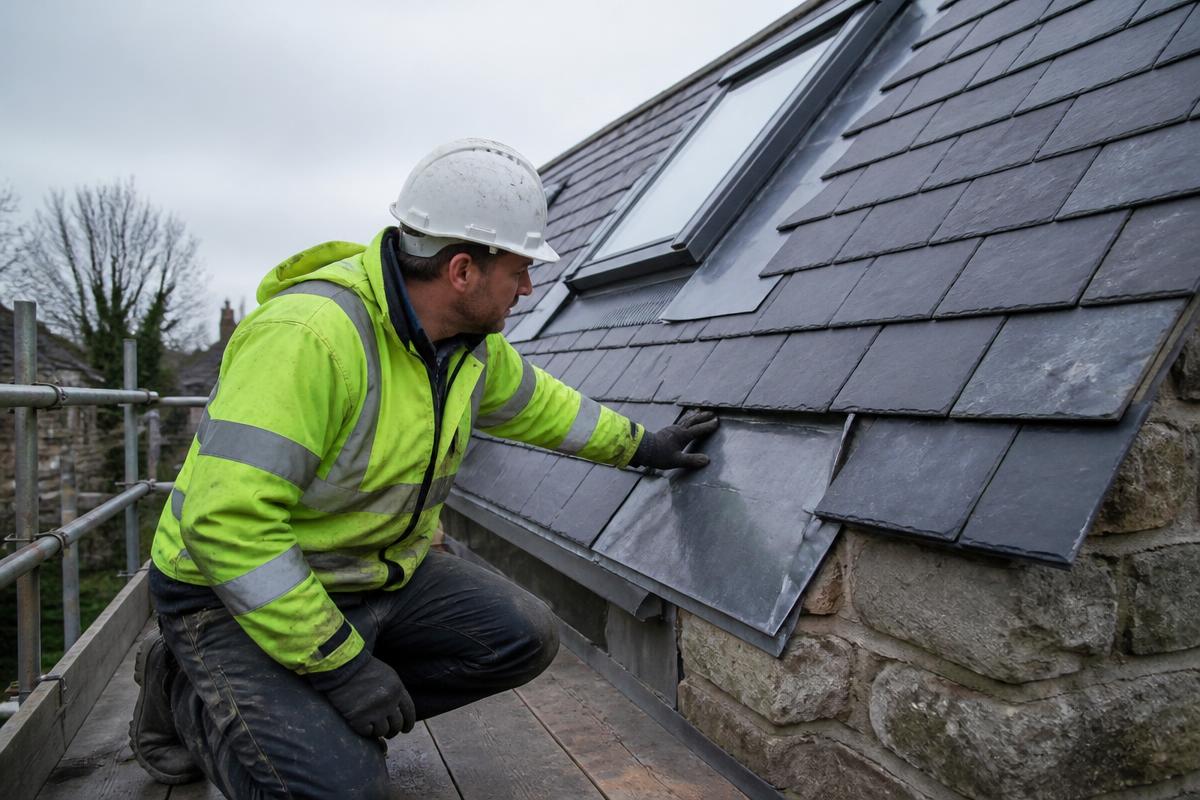
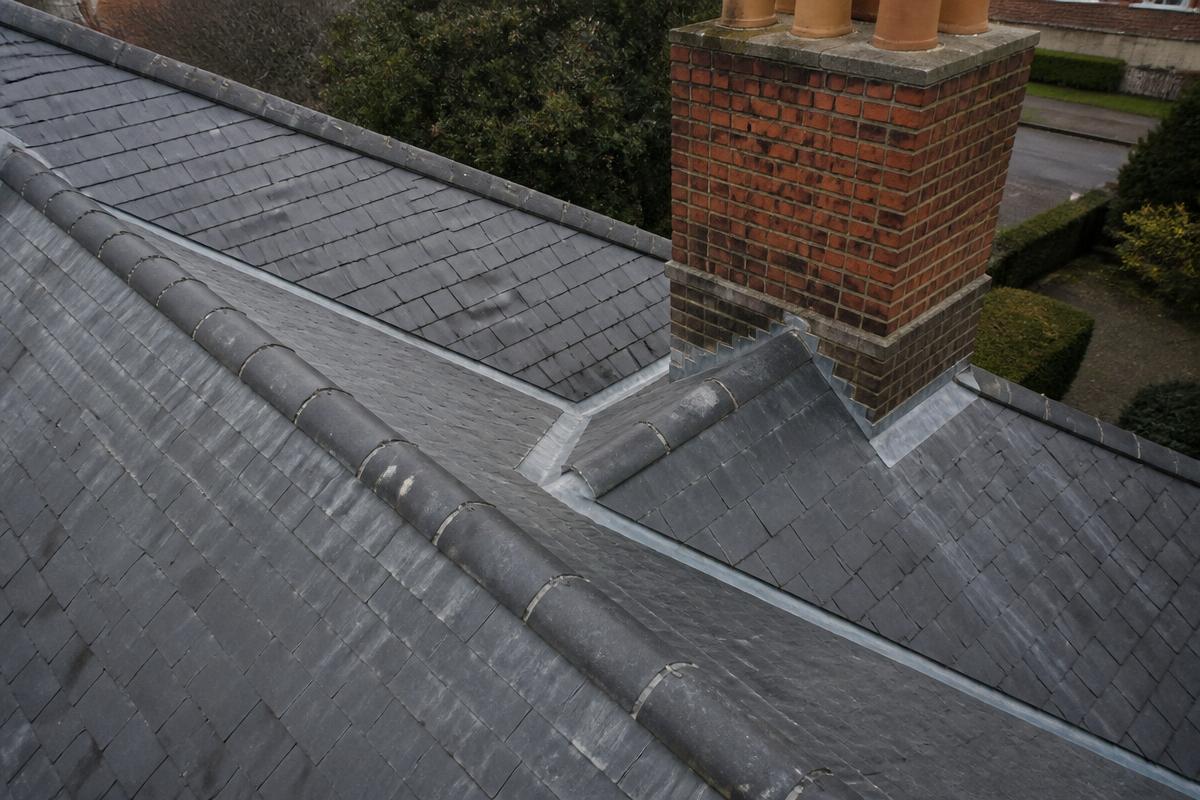
Roof photography
Related questions
Relevant services
Book a roof inspection or drone survey
Documented findings before any repair is quoted. Suitable for pre-purchase checks, storm-event assessment and inaccessible roofs.