

Reviewed by the S Reid Roofing Ltd team — last reviewed 2026-09-15
Quick answer
Potentially. A drone may avoid expensive access where the immediate need is simply to see and document a defect, and clearer information can improve repair scoping. It will not remove the cost of physical access where that access is necessary to carry out the work.
At a glance
- Avoided cost usually comes from skipping access that was only needed to look, not to work.
- Clearer scoping can reduce the chance of unexpected extra work being found later.
- Repairs that need hands-on access still need that access, regardless of how they were diagnosed.
- The saving is in the diagnosis stage, not automatically in the repair stage.
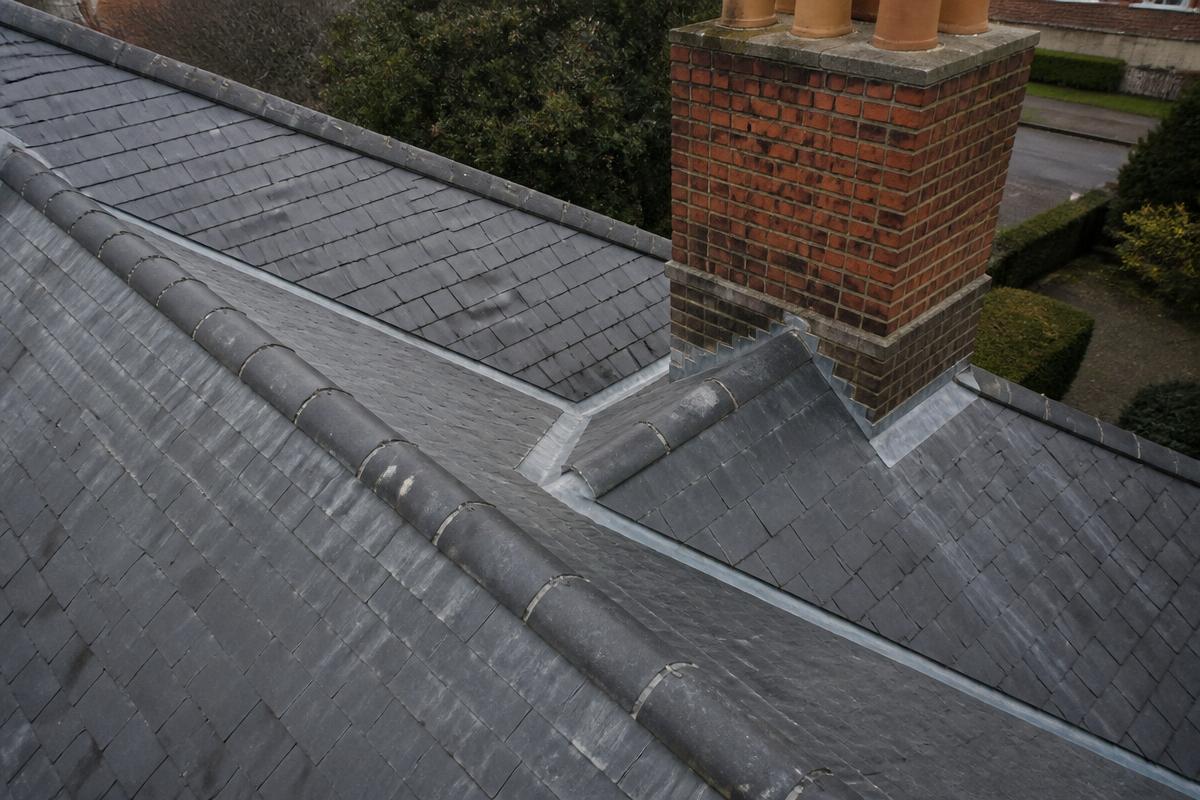
A drone survey documents what is visible: covering condition, flashings, chimneys, gutters and rainwater goods. It cannot see concealed timber decay, hidden membrane or fixing failure, every source of water ingress, or confirm structural adequacy — where those are suspected, a hands-on inspection is recommended alongside the imagery.
Where the saving genuinely comes from
If the only reason for arranging scaffolding, a cherry picker or a ladder access would be to look at a roof and decide what, if anything, needs doing, a drone can often answer that question without that cost being incurred at all. This is most useful where the outcome might be 'no work needed' or 'a small, specific repair'.
Clearer imagery can also help a roofer scope a repair more accurately before work starts, which reduces the risk of the price changing once access is gained and something unexpected is found.
Where it does not reduce cost
Once a repair is confirmed and requires someone to physically reach the roof to carry it out, that access is needed regardless of how the defect was first identified. A drone inspection changes how a problem is found and understood; it does not change what is required to fix it.
A worked-through example of the logic
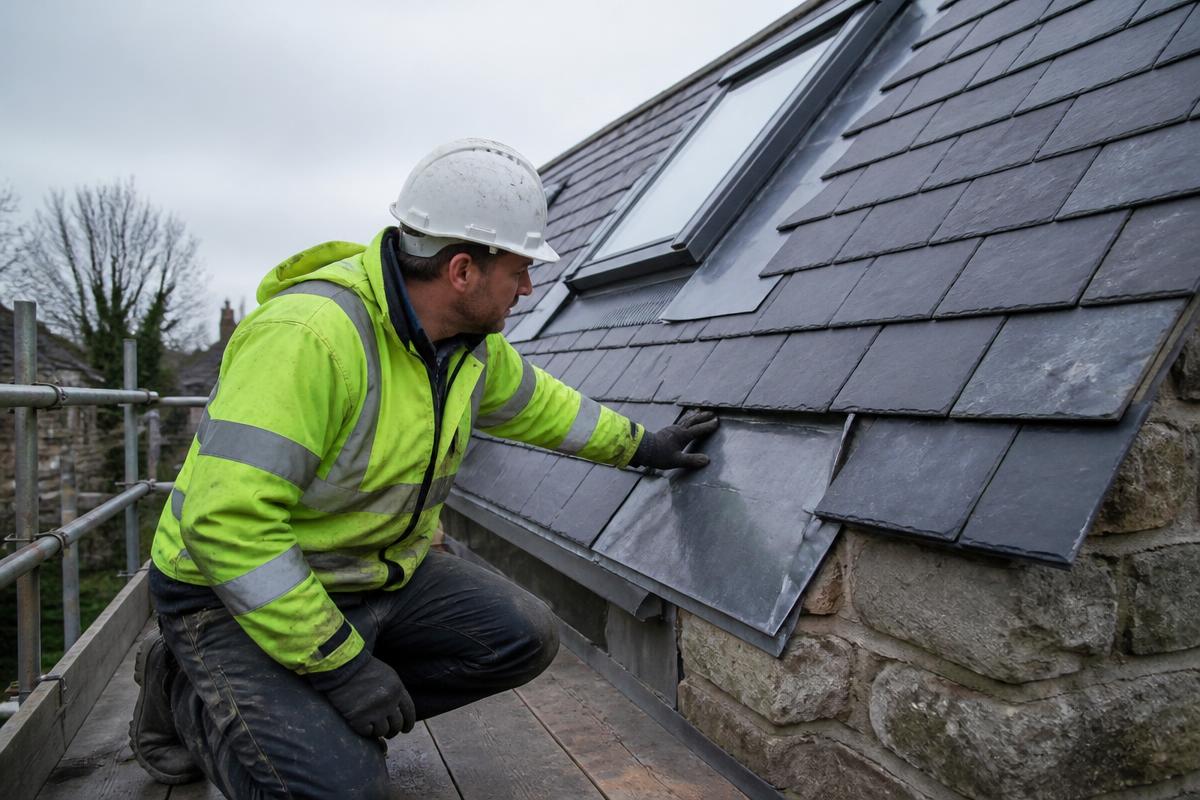
Consider a homeowner concerned about a possible slipped tile on a tall, steep roof. Arranging scaffold access purely to check might cost more than the drone inspection itself, and if the tile turns out to be secure, that cost has been spent for no repair at all.
If the drone confirms the tile has genuinely moved, the homeowner then knows a repair is needed and can decide on access for that specific job — a ladder if the location allows it, or a small independent access platform if not — rather than the largest, most cautious access option being assumed from the outset.
Being wary of false economy
It is worth being cautious of any suggestion that a drone inspection alone can avoid all future access costs. Where physical repair work is genuinely required, cutting corners on the access needed to carry it out safely is not a saving — it is a risk, both to whoever does the work and to the quality of the repair itself.
Weighing the diagnostic saving against the job itself
The genuine saving from a drone inspection should be judged against what access would otherwise have been needed purely to look, not against the total cost of any eventual repair. Framing it any other way risks overstating what the method can deliver.
What we would check
During an inspection, areas we would normally look at for this include:
- Whether the enquiry is diagnostic or already known to need physical work.
- Whether ground-level or drone imagery is sufficient to scope the likely repair.
- Whether anything seen suggests the scope may be larger than first assumed.
Roof photography
Related questions
Relevant services
Book a Drone Inspection
High-resolution imagery of the covering, flashings, chimneys and rainwater goods, with documented findings before any work is recommended.