

Reviewed by the S Reid Roofing Ltd team — last reviewed 2026-09-15
Quick answer
Better visual information can help a roofer understand where defects are and the visible extent of the work before pricing. It can reduce uncertainty, although physical access may still reveal conditions that were concealed from the camera, so a quotation based on imagery alone should still allow for findings that only appear once work begins.
At a glance
- Clear imagery helps a roofer scope materials and labour more precisely.
- It reduces, rather than removes, the risk of unexpected findings once work starts.
- A quote built on genuine visual evidence is more reliable than one built from a description alone.
- Concealed conditions can still change a price once access is gained.
A drone survey documents what is visible: covering condition, flashings, chimneys, gutters and rainwater goods. It cannot see concealed timber decay, hidden membrane or fixing failure, every source of water ingress, or confirm structural adequacy — where those are suspected, a hands-on inspection is recommended alongside the imagery.
Why better imagery improves a quote
A quote is only as good as the information behind it. Where a roofer can see clear, close imagery of the actual defect — its extent, the surrounding condition, and how it sits within the wider roof — the resulting scope of work and materials list is more likely to reflect what is genuinely needed, rather than being padded to cover uncertainty.
The honest caveat
Imagery cannot show what is underneath the covering. If physical access during the work reveals decayed battens, corroded fixings or a perished underlay that were not visible from the air, the scope of work — and therefore the price — may need to be revisited. A drone-informed quote should be presented as being based on visible evidence, with any conditions on scope stated plainly rather than assumed away.
What a drone-informed quote should say explicitly
A responsible quote based on drone imagery should state which elements of the price are based on confirmed visual evidence and which are provisional, pending closer or physical access. This might mean a fixed price for visible re-covering work with a stated day rate or allowance for any decayed timber found once the old covering is lifted.
Reducing surprises, not eliminating them
Homeowners can reasonably expect that better upfront imagery reduces the frequency and scale of price changes during a job, since more of the roof's visible condition has already been accounted for. It is less reasonable to expect that imagery removes the possibility of any change at all, since concealed timber and fixings remain genuinely unknown until uncovered.
Comparing quotes built on different levels of evidence
Where a homeowner receives more than one quote for the same job, it is worth asking each roofer what their price is based on — a drone or ground-level look, a walked inspection, or a description alone — since quotes built on different levels of evidence are not directly comparable even if the figures look similar.
What we would check
During an inspection, areas we would normally look at for this include:
- The visible extent of the reported defect and its immediate surroundings.
- Materials apparently in use, to inform likely matching or specification.
- Access requirements suggested by the roof's height and complexity.
- Whether the imagery is sufficient to scope the work or whether physical access should precede pricing.
Roof photography
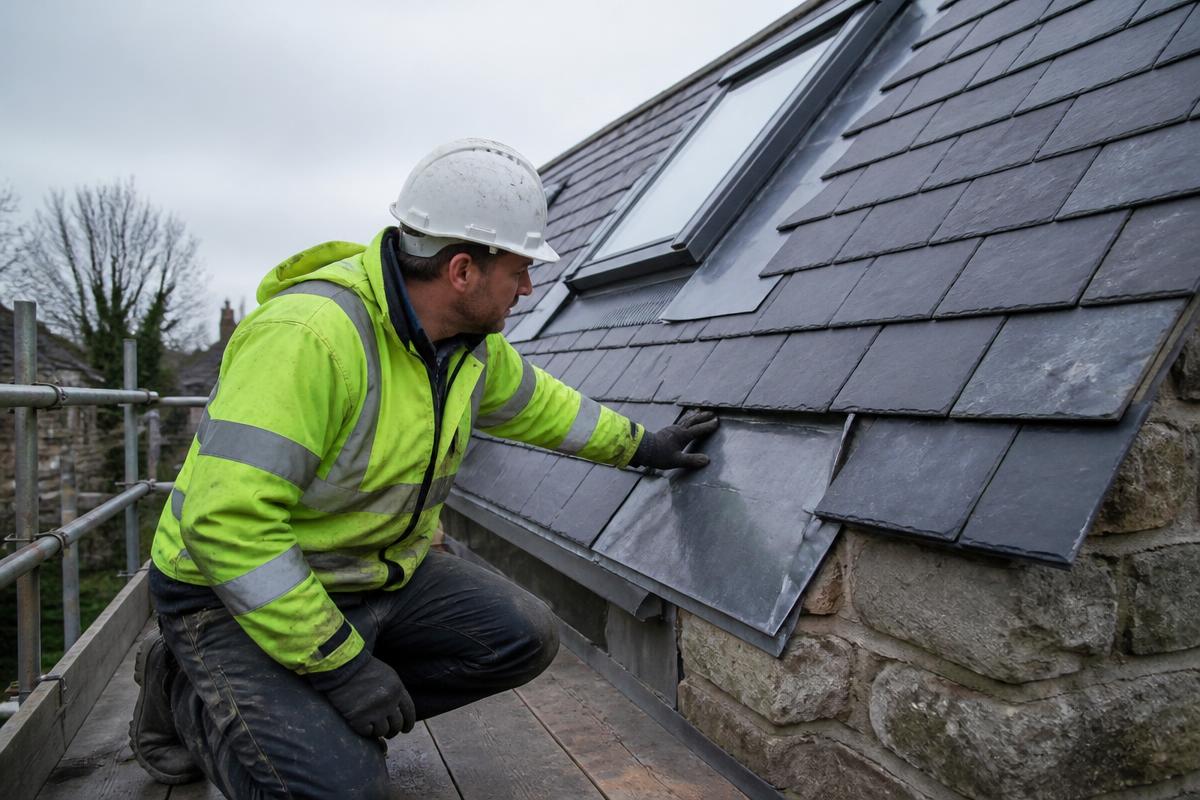
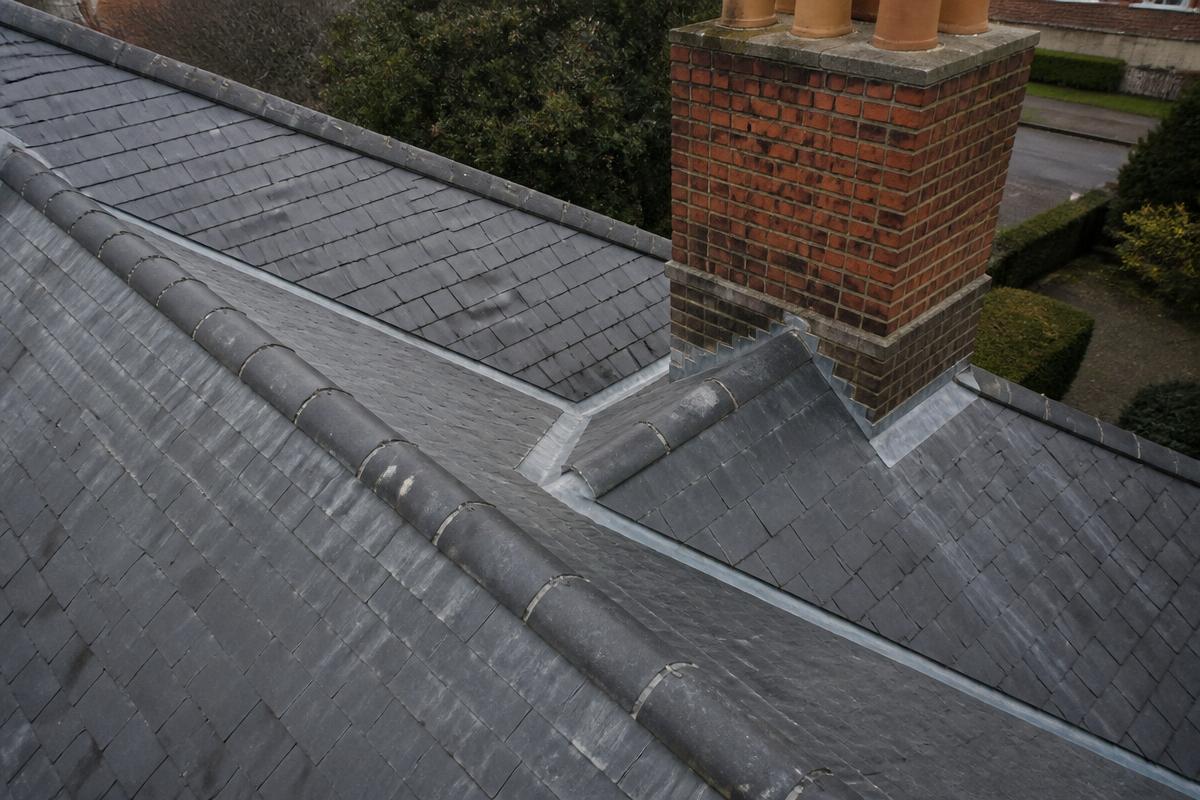
Related questions
Relevant services
Request a roofing quotation
Share what you've noticed and we'll arrange an inspection before recommending works.