

Reviewed by the S Reid Roofing Ltd team — last reviewed 2026-09-15
Quick answer
For anything beyond an obvious small defect, an inspection helps define what is actually being priced. Photographs and documented findings make it easier to understand the scope, compare recommendations and reduce the chance that a quotation is based only on an assumed cause.
At a glance
- A quotation is only as accurate as the diagnosis behind it.
- Photographs let you see the evidence rather than take a description on trust.
- Documented findings make it easier to compare more than one quotation fairly.
- An obvious, minor, easily reached defect may not need a separate inspection visit.
Why diagnosis and pricing are two different steps
A repair price is really a description of a scope of work translated into a figure. If the scope has not been properly established, the price attached to it cannot be relied on either — it may turn out too low once the true extent of the defect is found, or it may be padded to cover for what has not been checked. An inspection separates these two steps, so the scope is agreed first and the price follows from what has actually been found.
This matters more on some roofs than others. A modern roof with a known, recent history is generally easier to price from a brief description than an older roof with several past repairs, mixed materials, or a history of intermittent leaks. On the latter, a proper inspection can reveal that what looked like one problem from the ground is actually two or three separate issues that happen to be showing similar symptoms indoors.
What a documented inspection gives you
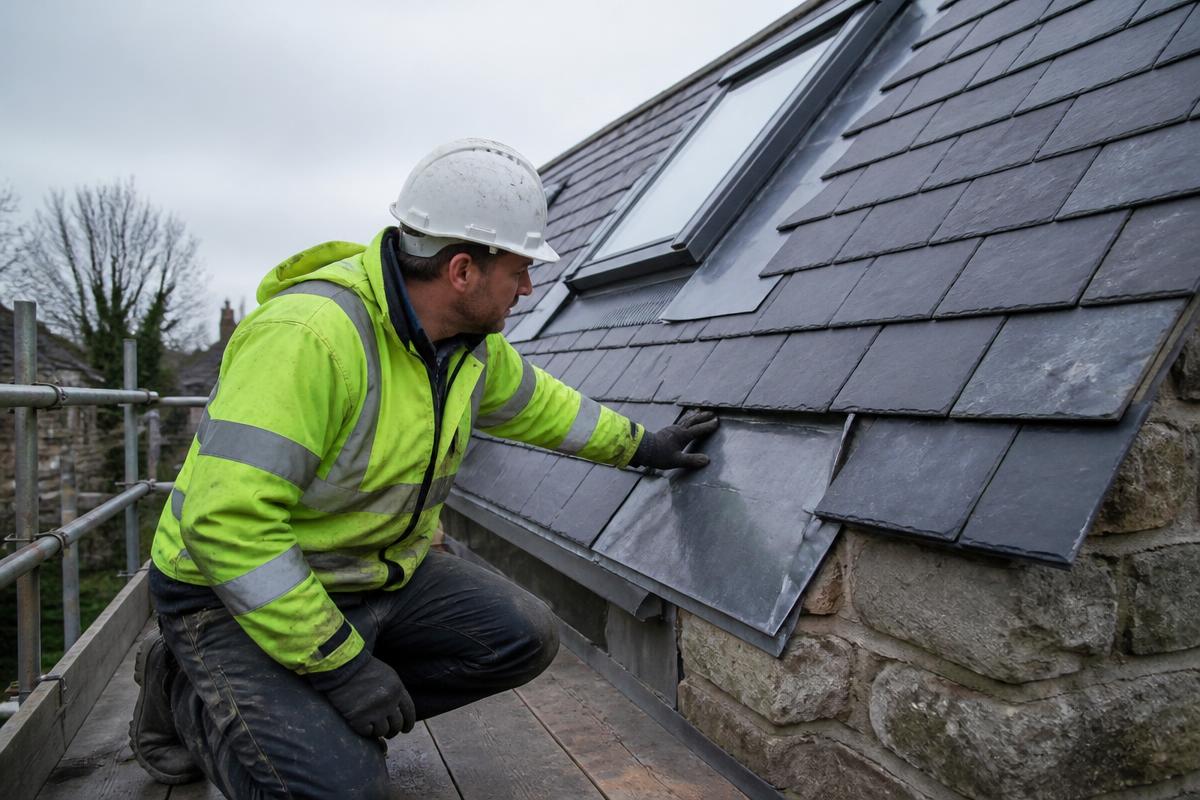
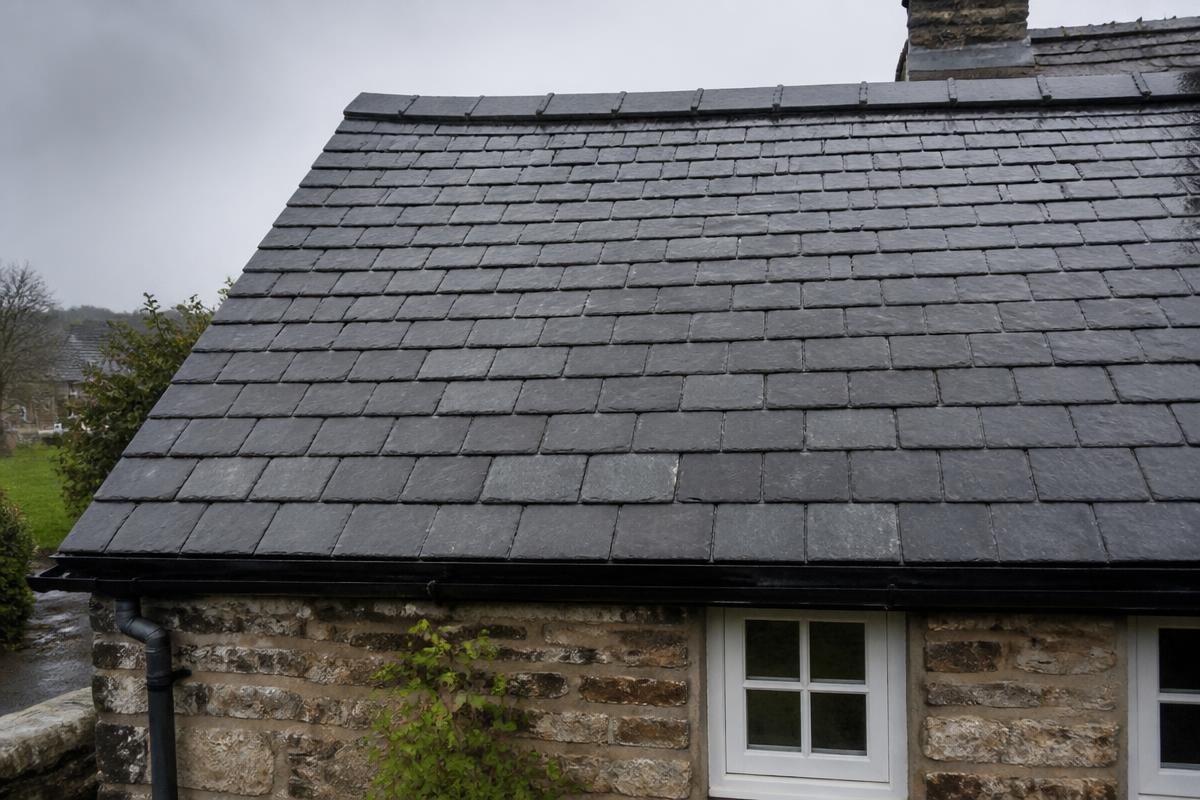
Photographs of the roof, loft and any affected areas mean you are not relying solely on a verbal description of what is wrong. That record is useful in its own right — it lets you see the evidence, ask questions about it, and if you choose to obtain more than one quotation, compare them against the same set of findings rather than against differing accounts of what each contractor happened to notice.
A written record also gives you something to refer back to later. If a repair is carried out and a related issue develops some time afterwards, having a dated set of inspection notes and photographs makes it easier to establish whether the two are connected, and helps keep any subsequent conversation about further work grounded in what was actually seen rather than in memory.
When a separate inspection may not be necessary
Not every repair needs a distinct inspection visit beforehand. An obvious, isolated, easily reached defect — a single displaced ridge tile spotted from the ground, for example — can sometimes be assessed and priced during the same visit as the repair. The principle still applies: the roofer should look before recommending, even if that look happens on the day rather than as a separate appointment.
Where the issue is less clear cut, such as intermittent damp staining, a leak that only appears in certain weather, or wear that is hard to judge from ground level, a dedicated inspection is generally the more reliable starting point, since it allows time to trace the problem properly rather than fitting the diagnosis around the time available for the repair itself.
What we would check
During an inspection, areas we would normally look at for this include:
- The visible defect and whether it is isolated or part of a wider pattern.
- The loft, where accessible, for staining or damp linked to the defect.
- Surrounding fixings, battens and flashings relevant to the cause.
- Whether photographic evidence is sufficient or physical access is needed to confirm findings.
Roof photography
Related questions
Relevant services
Book a roof inspection or drone survey
Documented findings before any repair is quoted. Suitable for pre-purchase checks, storm-event assessment and inaccessible roofs.