

Reviewed by the S Reid Roofing Ltd team — last reviewed 2026-09-15
Quick answer
The value of a documented inspection is that the homeowner can see what was found rather than relying only on a verbal description. Photographs, referenced defects and clear next steps can also be useful when comparing work, monitoring the roof or sharing findings with another professional.
At a glance
- A documented record lets a homeowner see, not just hear, what was found.
- Referenced defects make it easier to check what a quote is actually pricing.
- Records support monitoring over time by giving a dated baseline.
- Sharing findings with a solicitor, insurer or another contractor is easier with a written record.
Why documentation matters
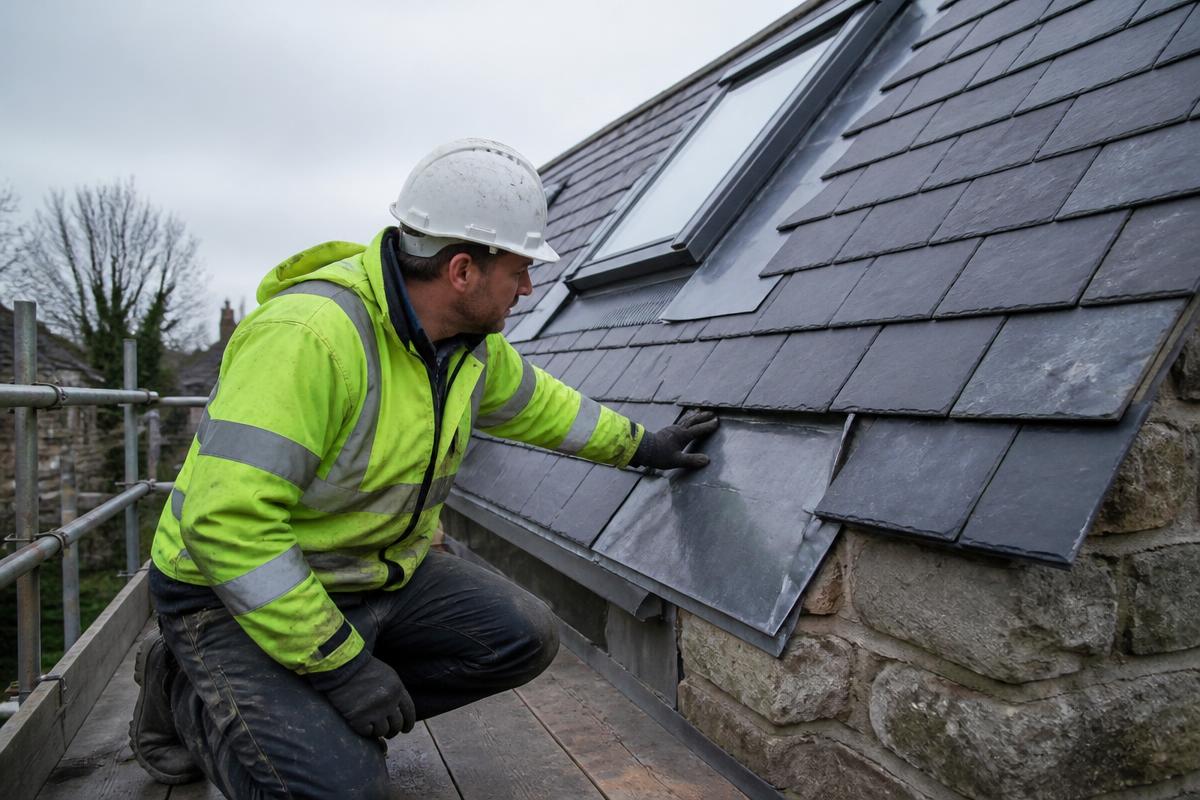
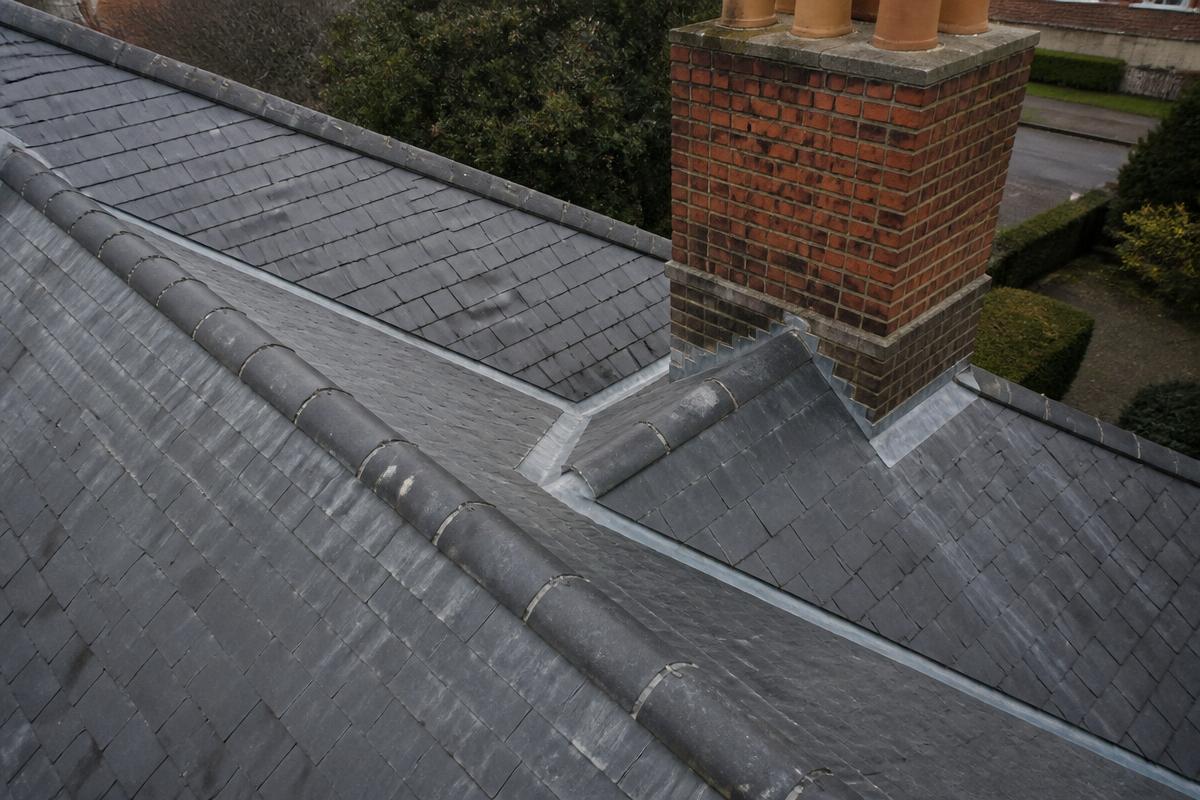
A verbal description of a roof's condition is only as useful as the memory of the person giving and receiving it. Photographs and a written record of what was found — where, what it is, and how it is classified for urgency — let a homeowner review the findings at their own pace, ask questions about specific images, and compare them against any quote received.
Ongoing usefulness of the record
A dated set of findings also becomes a baseline. If a defect is being monitored rather than repaired immediately, that record makes it straightforward to check, after the next spell of severe weather or after a set period, whether anything has changed. The same record is useful if findings need to be shared with an insurer, a solicitor during a property transaction, or another professional for a second opinion.
What a complete report typically includes
A thorough report will usually combine photographs referenced to specific locations on the roof, a short written description of each defect and its apparent cause, a rough classification of urgency, and a note of any areas that could not be fully assessed and why. Together these give a homeowner a genuinely complete picture rather than a list of images with no explanation.
Keeping records for the long term
Roof reports are also worth keeping well beyond the immediate decision they informed. A dated record from several years ago can be useful evidence of condition at a point in time, whether that is needed for a future sale, an insurance query, or simply to track how the roof has changed as it has aged.
Requesting a copy for personal records
Homeowners are entitled to ask for their own copy of an inspection report and its photographs, and keeping that copy independently of the roofer who produced it means the record remains accessible even if circumstances change, such as needing it for a future sale years later.
Formats homeowners typically receive
Reports are commonly supplied as a written document with embedded photographs rather than a folder of loose images, since a standalone photograph with no caption quickly becomes hard to place once several roof areas have been inspected. A simple sketch or plan reference showing which elevation or slope each photograph relates to is particularly helpful on properties with more than one roof section, where 'the left side' can otherwise mean different things to different people.
What to check the report actually covers before relying on it
Before treating a report as complete, it is worth checking that it states plainly which parts of the roof could and could not be reached or seen, rather than only listing the defects that were found. A report that is silent about a chimney stack or a hidden valley may simply mean that area was not assessed, not that it was checked and found sound, and that distinction matters if the report is later relied upon for a sale or an insurance query.
What we would check
During an inspection, areas we would normally look at for this include:
- That every defect discussed verbally is also captured in the images or notes.
- That findings are labelled by location and roughly classified by urgency.
- That the record is clear enough to be understood without the inspector present.
Roof photography
Related questions
Relevant services
Book a roof inspection or drone survey
Documented findings before any repair is quoted. Suitable for pre-purchase checks, storm-event assessment and inaccessible roofs.