

Reviewed by the S Reid Roofing Ltd team — last reviewed 2026-09-15
Quick answer
Move possessions away from the affected area, contain water where this is safe and avoid climbing onto a wet or damaged roof. If water is near electrics, ceilings are bulging or roofing material is unsafe, prioritise safety and obtain urgent professional assistance.
At a glance
- A wet or damaged roof is not a safe place to attempt your own repair.
- Water near electrics should be treated as a safety issue, not just a roofing one.
- Containing water is about limiting damage, not fixing the cause.
- Photographs taken at the time are useful evidence for later.
Immediate, safe steps
The priority in the first few minutes is safety and limiting further damage, not diagnosing the cause. Move furniture, electronics and belongings away from the wet area, and place a container to catch dripping water if this can be done without standing under a bulging ceiling. If water is anywhere near sockets, switches or light fittings, turn off the relevant circuit at the consumer unit if you can do so safely, and keep clear of the area.
If a ceiling has started to bulge with trapped water, it can be tempting to pierce it deliberately to let the water out in a controlled way, but this should only be considered if you are confident it can be done safely and away from any electrical fittings, since the volume of water released can be more than expected.
- Move possessions clear of the affected area.
- Catch dripping water in a container, away from any bulging ceiling.
- Isolate electrics near the water if this can be done safely.
- Do not go onto the roof yourself, especially in wet or windy conditions.
- Photograph the damage and note the weather conditions at the time.
What to leave for a professional inspection
Locating the actual source of a leak from inside the building, or by going onto the roof, is not something to attempt without the right access equipment and experience — wet coverings are slippery, and the visible entry point is often not where the water actually got in. Attempting a temporary fix from a ladder in poor weather carries its own risk and can sometimes make a defect harder to diagnose later by disturbing evidence of how water was tracking.
Once the property is safe and further water damage is limited, the next step is a proper inspection to trace the source and agree the right repair. Keeping a note of exactly when the leak started, how heavy it was, and what the weather was doing at the time will help that inspection get to the answer more quickly.
What we would check
During an inspection, areas we would normally look at for this include:
- The extent of internal damage already caused.
- Whether the leak is still active or has stopped for now.
- Any immediate safety hazards from loose material or nearby electrics.
- The likely external source, once it is safe to inspect the roof.
Repair, replace or monitor?
Repair
Once safely made watertight, most single-source leaks are resolved with a targeted repair.
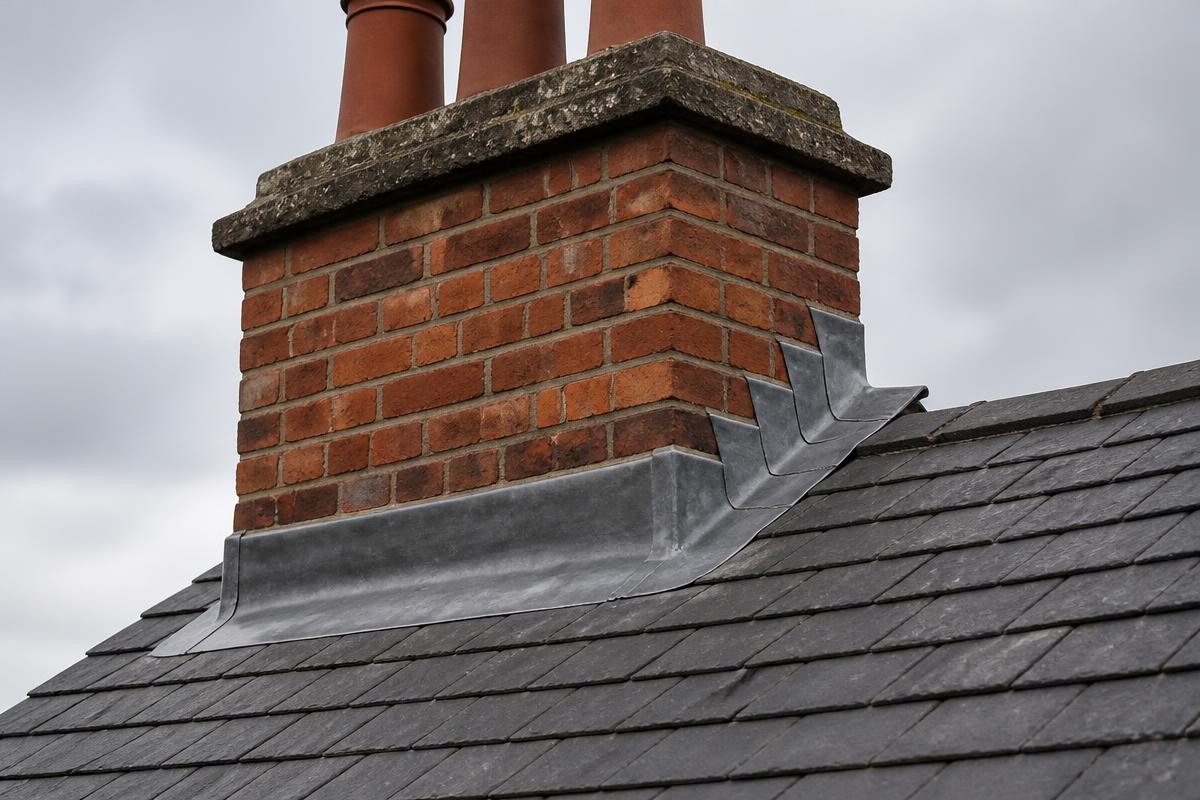
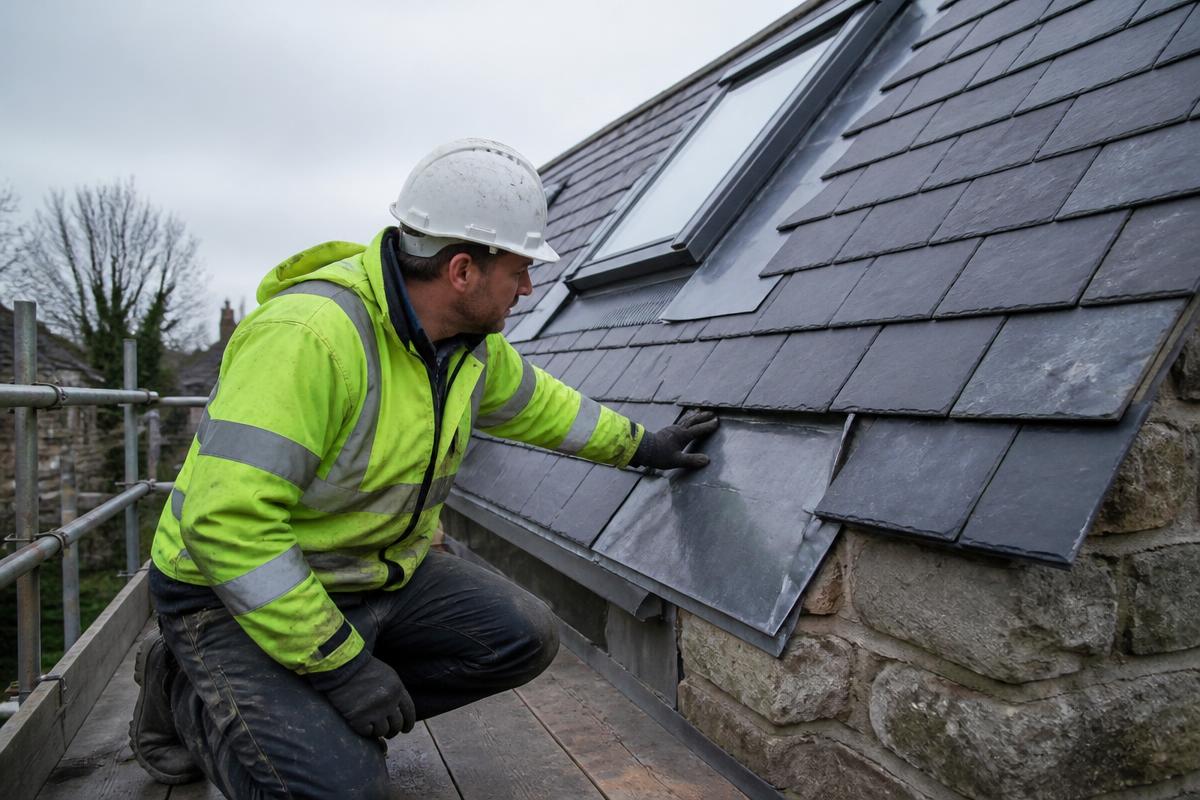
Roof photography
Related questions
Relevant services
Roof emergency?
For active leaks, storm damage, fallen materials or an unsafe chimney — call. Make-safe work first, permanent repair scheduled after inspection.