

Skip to content

Active leak, storm damage or unsafe chimney? See emergency guidance.

07340 587487
S Reid Roofing Ltd — covering your home, built to last
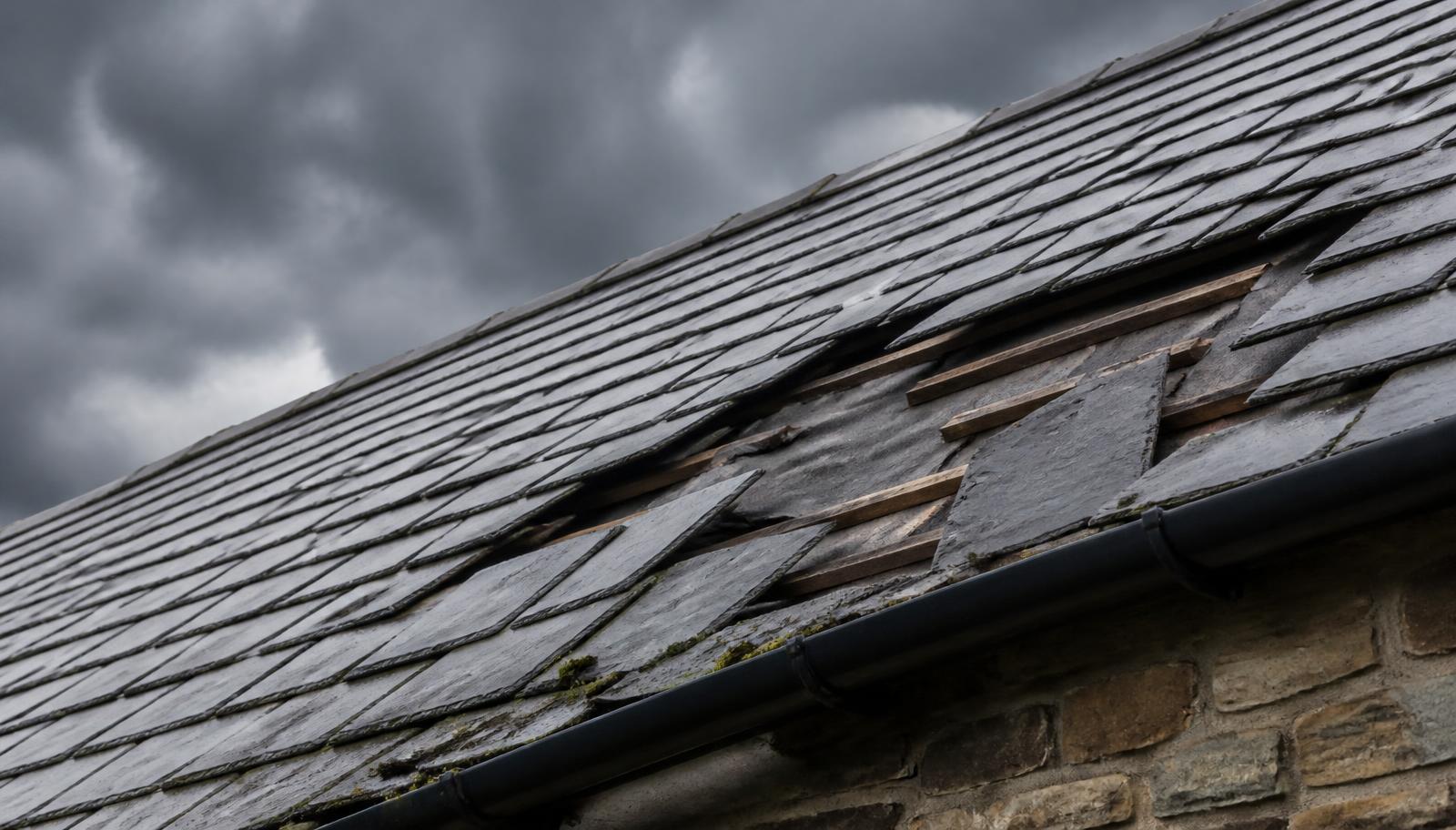
Storm-damaged British slate roof with slipped slates and exposed timber battens under a dark, stormy grey sky.

Roofing advice

Storm damage and roof insurance claims

What to do first after storm damage, how make-safe work differs from permanent repair, and the evidence insurers usually expect for a roof claim.

Quick answer

After storm damage, make people safe, contain water inside, and photograph everything from ground level before anything is moved. Make-safe work comes first and is deliberately temporary; the permanent repair is scoped once the roof can be inspected properly and safely.

Storm work happens in two stages for good reason. Specifying a permanent repair in the dark and the wet leads to work that has to be redone.

This section covers the first hour, the evidence that supports a claim, and what insurers typically will and will not cover.

Guides in this topic

Questions people ask about this

Should I repair storm damage before my insurer sees it?

The immediate priority is preventing danger and further damage. Where possible, document the condition before any temporary work and contact your insurer about permanent repairs before they are carried out. Keep photographs and invoices associated with any emergency measures, as these form part of the record an insurer may later ask to see.

Can a damaged roof be temporarily made safe?

In many situations a temporary covering or other make-safe measure can reduce further water ingress until a permanent repair can be completed. The correct approach depends on the extent of the damage and whether safe access to the affected area is possible. This is a stopgap, not a substitute for a proper assessment and permanent repair.

Should I put a tarpaulin on a damaged roof myself?

Climbing onto a wet, damaged or wind-affected roof introduces serious fall risk. Temporary weather protection should be installed using suitable access equipment and competent people, rather than turning a water-ingress problem into a personal safety problem. If you cannot arrange this quickly, focus on protecting the inside of the property instead.

What should I do if roof water is near electrical fittings?

Water around electrical equipment or fittings should always be treated as a safety issue rather than a roofing one first. Keep away from the affected equipment, avoid touching switches or sockets in the area, and obtain appropriate professional assistance rather than attempting roof or electrical work in the wet area yourself.

Relevant services

Roof emergency?

For active leaks, storm damage, fallen materials or an unsafe chimney — call. Make-safe work first, permanent repair scheduled after inspection.

Back to all roofing advice