
Storm damage inspection, make-safe and repair — with documentation appropriate for insurance claims.
Symptoms & warning signs
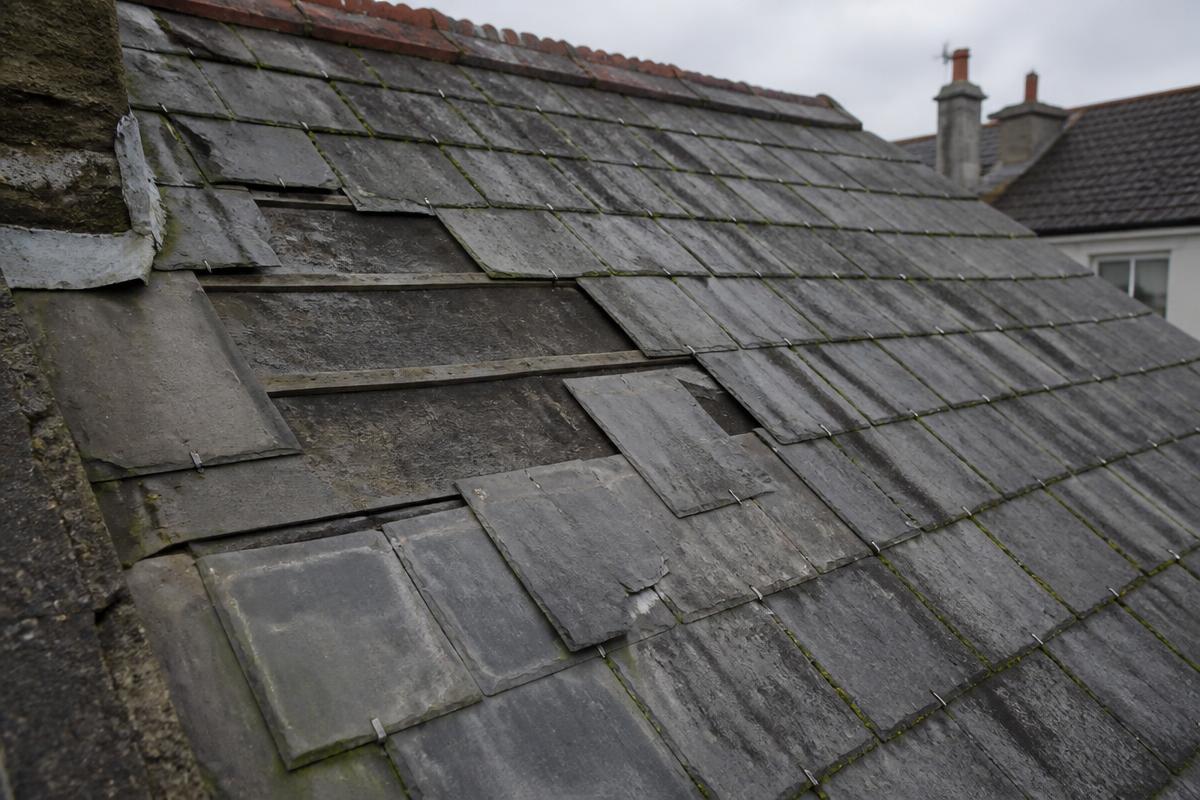
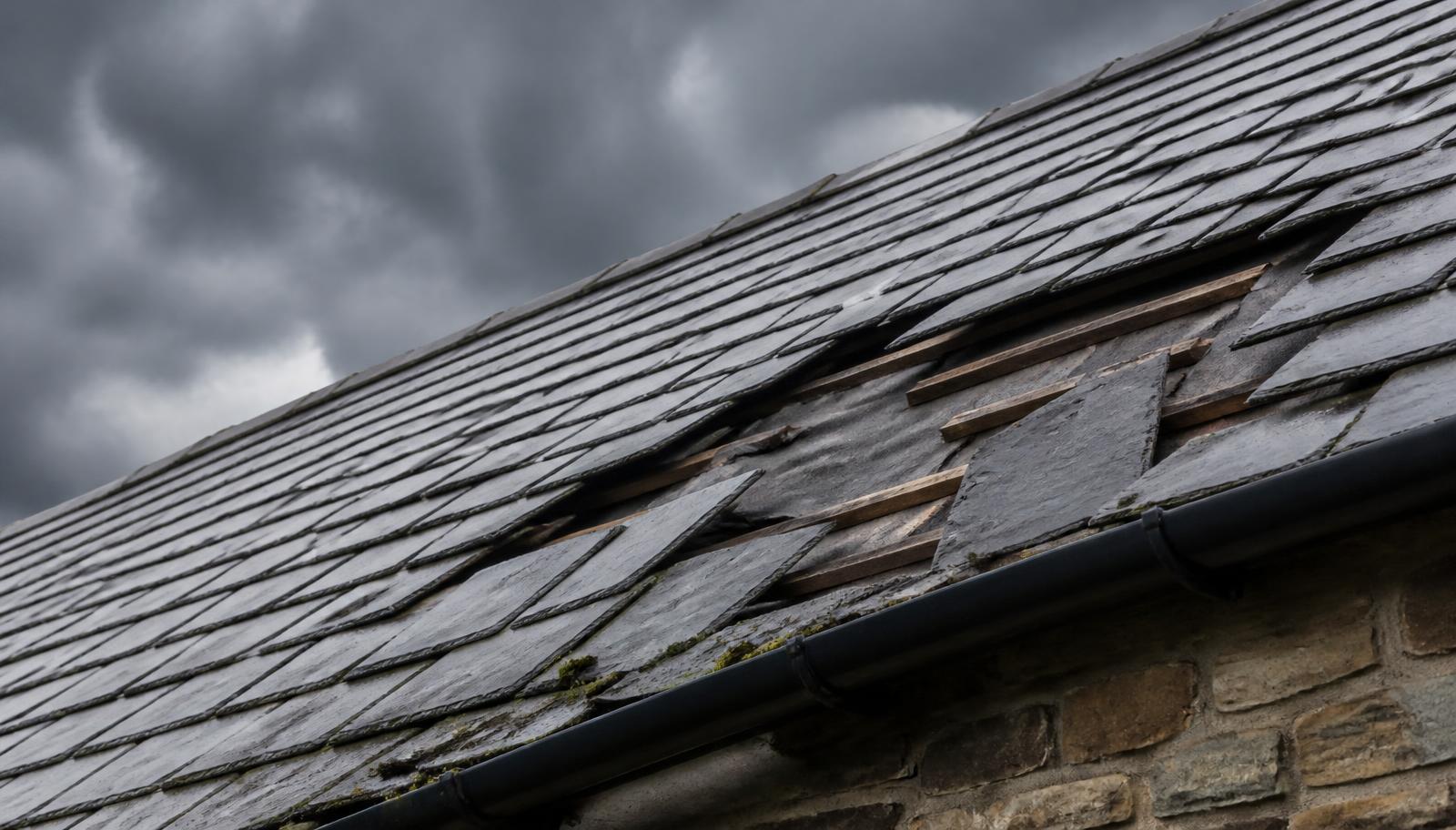
- Missing, lifted or displaced tiles, slates or ridge units after high winds
- Sections of flat roof membrane torn, lifted or peeled back
- Guttering, fascia, soffit or downpipes pulled away from the building
- Impact damage from a fallen branch, aerial, fence panel or neighbouring debris
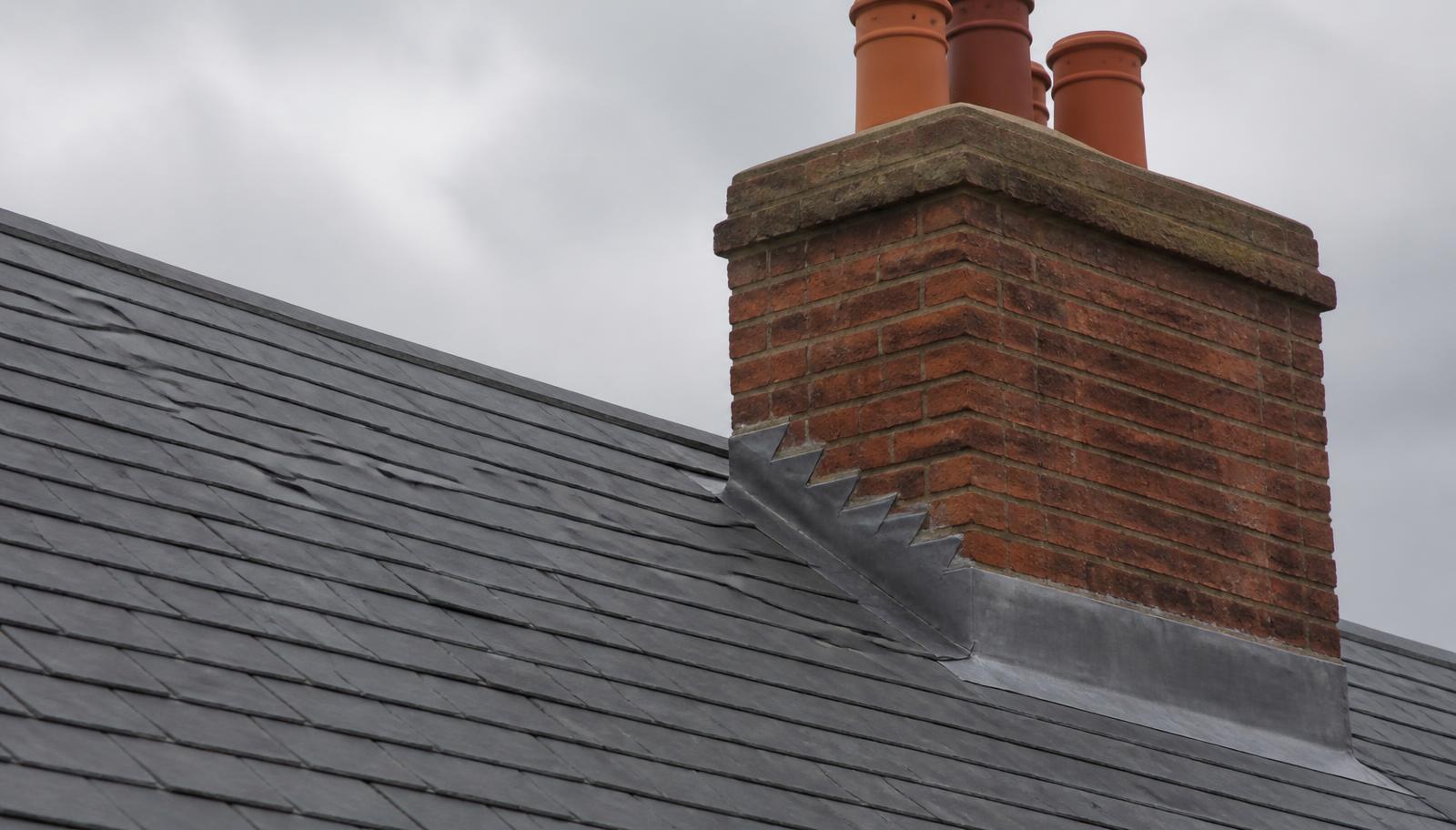
- Lead flashings lifted or rolled back from chimneys and abutments
- Debris from your roof found in the garden, on a driveway or in the street
Inspection & diagnosis
Every quote begins with an inspection. Where a roof is inaccessible, complex or storm-damaged, we can carry out a drone inspection to capture imagery and annotated findings before recommending works.
Typical scope of work
- Post-storm inspection of the whole roof, not only the visibly damaged area
- Immediate make-safe of anything unstable or liable to fall
- Dated photographic damage assessment written up for insurance purposes
- Replacement of damaged coverings, ridges, flashings and roofline components
- Checks for consequential damage — displaced underfelt, water in the loft, blocked drainage
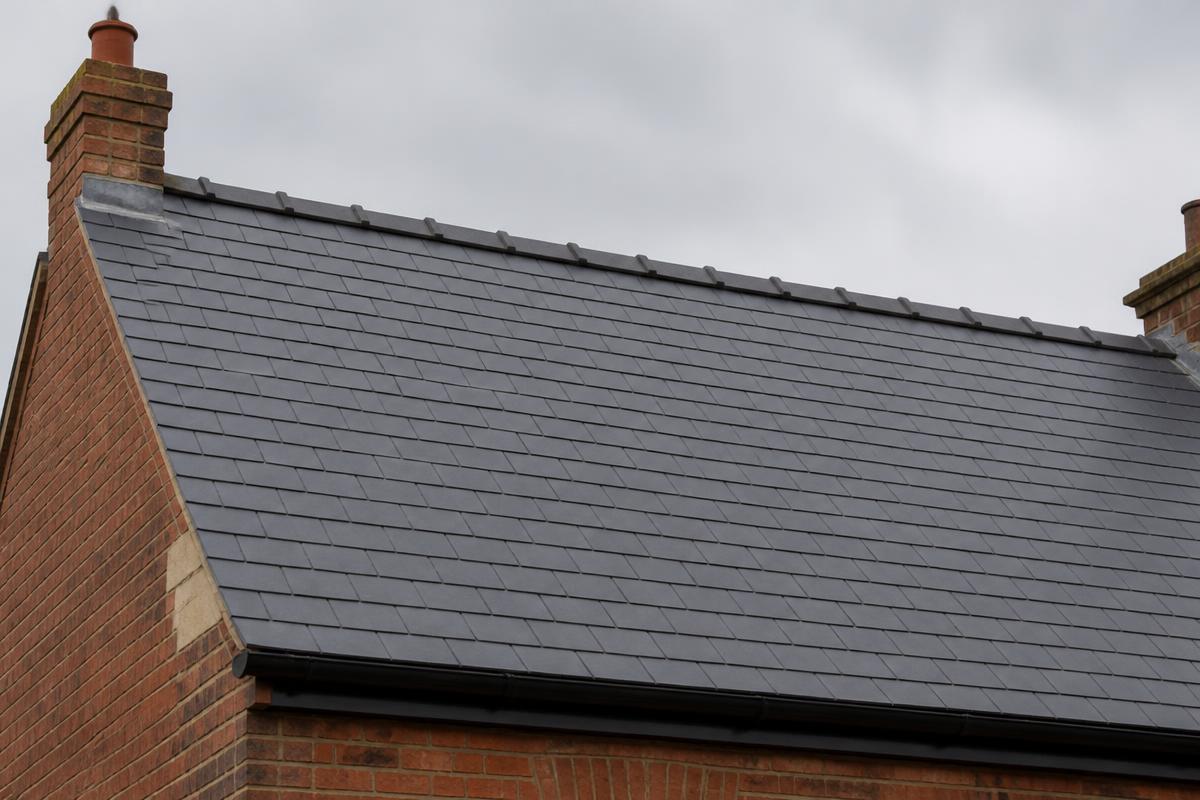
- Permanent reinstatement to match the existing roof as closely as materials allow
Timescale
Make-safe work is prioritised and usually completed on the first visit. Full reinstatement depends on scaffold availability, matched material supply and the volume of storm callouts in the area — after a significant storm this can extend the lead time, and we will give you a realistic date rather than an optimistic one.
Guarantee & aftercare
Completed work is covered by our written workmanship guarantee, issued with the final paperwork. Manufacturer product warranties are passed on to you where the system carries one. We photograph the finished work, leave the site clear, and are contactable if anything needs revisiting.
Project evidence
Storm work is recorded with dated before, during and after photography, described in plain language so it can be submitted directly with an insurance claim. Where the roof is unsafe to access, drone imagery provides the same evidence without risk.