Urgent make-safe and stabilisation work, followed by planned permanent repair once conditions allow.
Symptoms & warning signs
- Water actively entering the building during or after rainfall
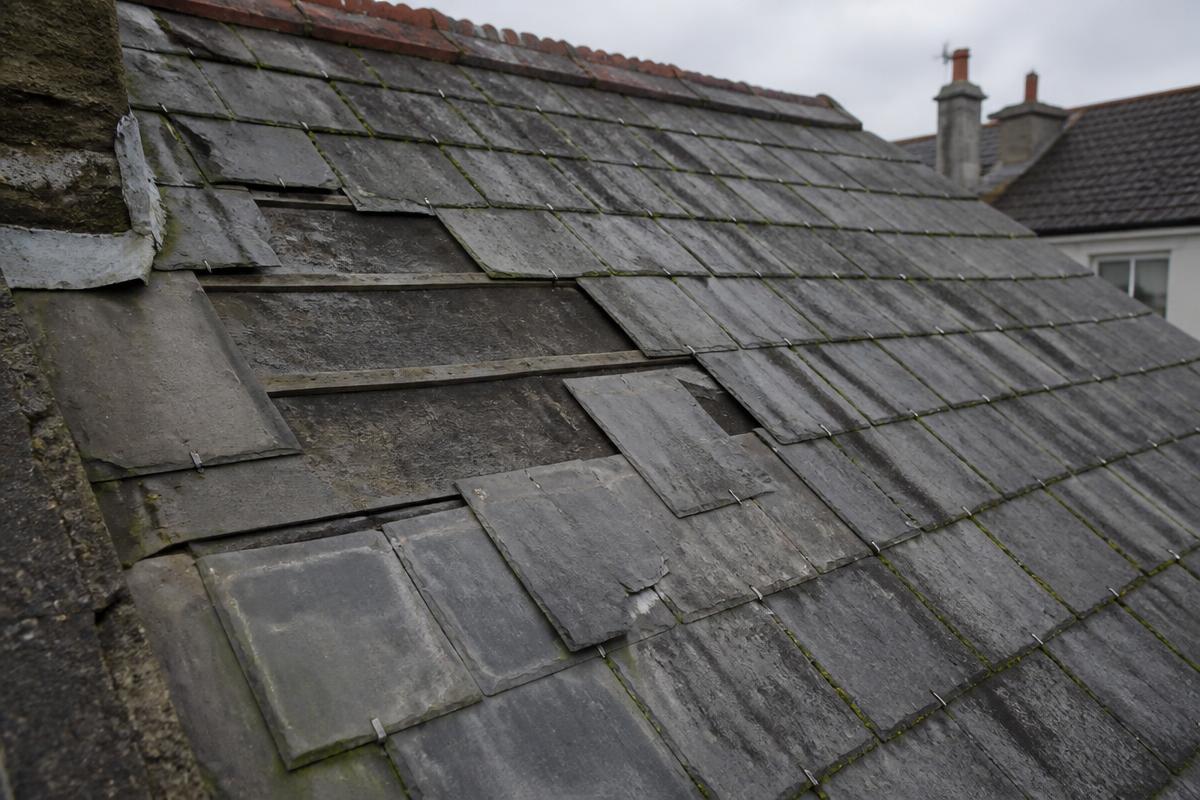
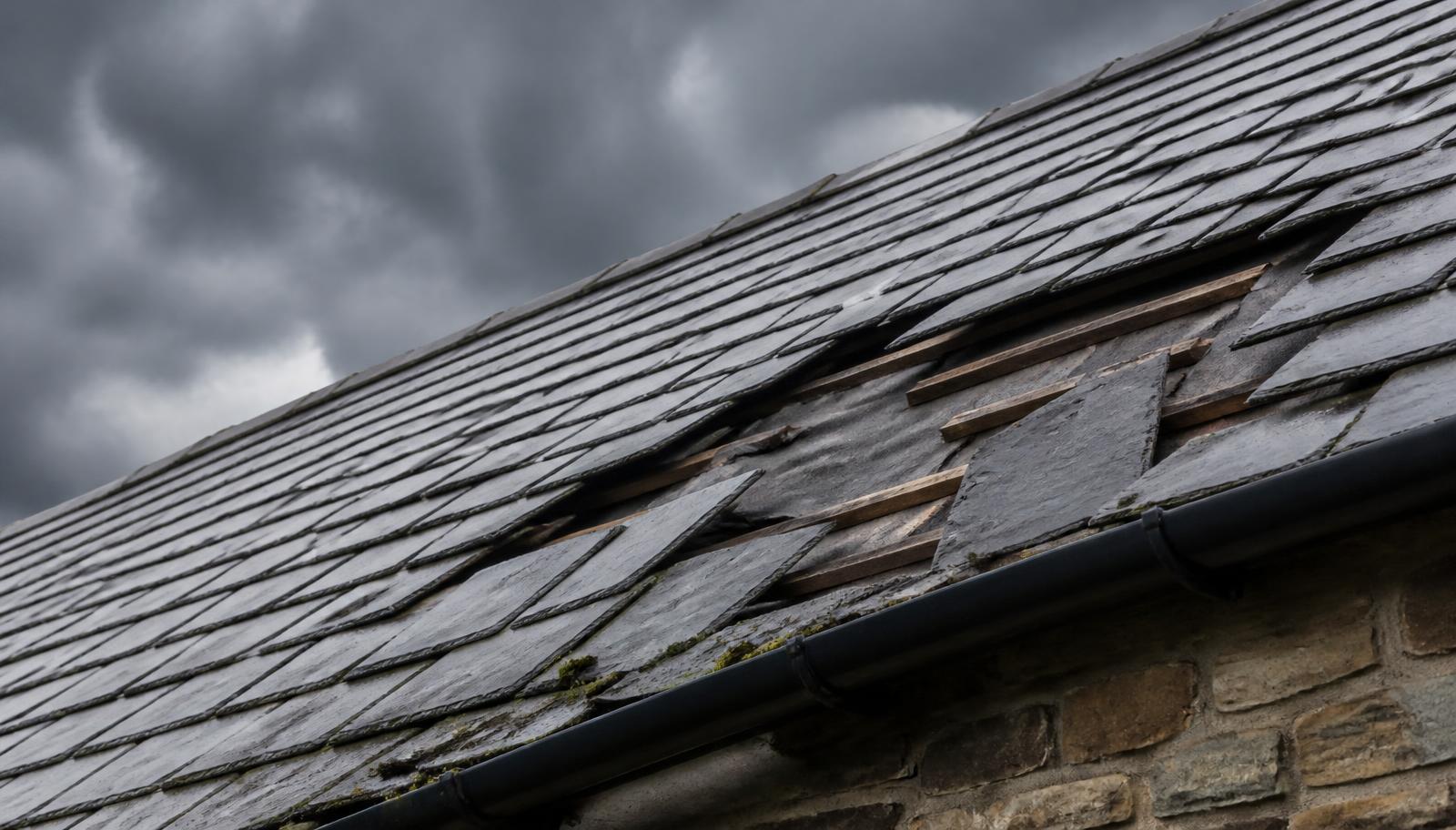
- Tiles, slates, ridge units or lead lifted or removed by wind
- Roofing materials that have fallen, or are at risk of falling, onto a path, road or garden
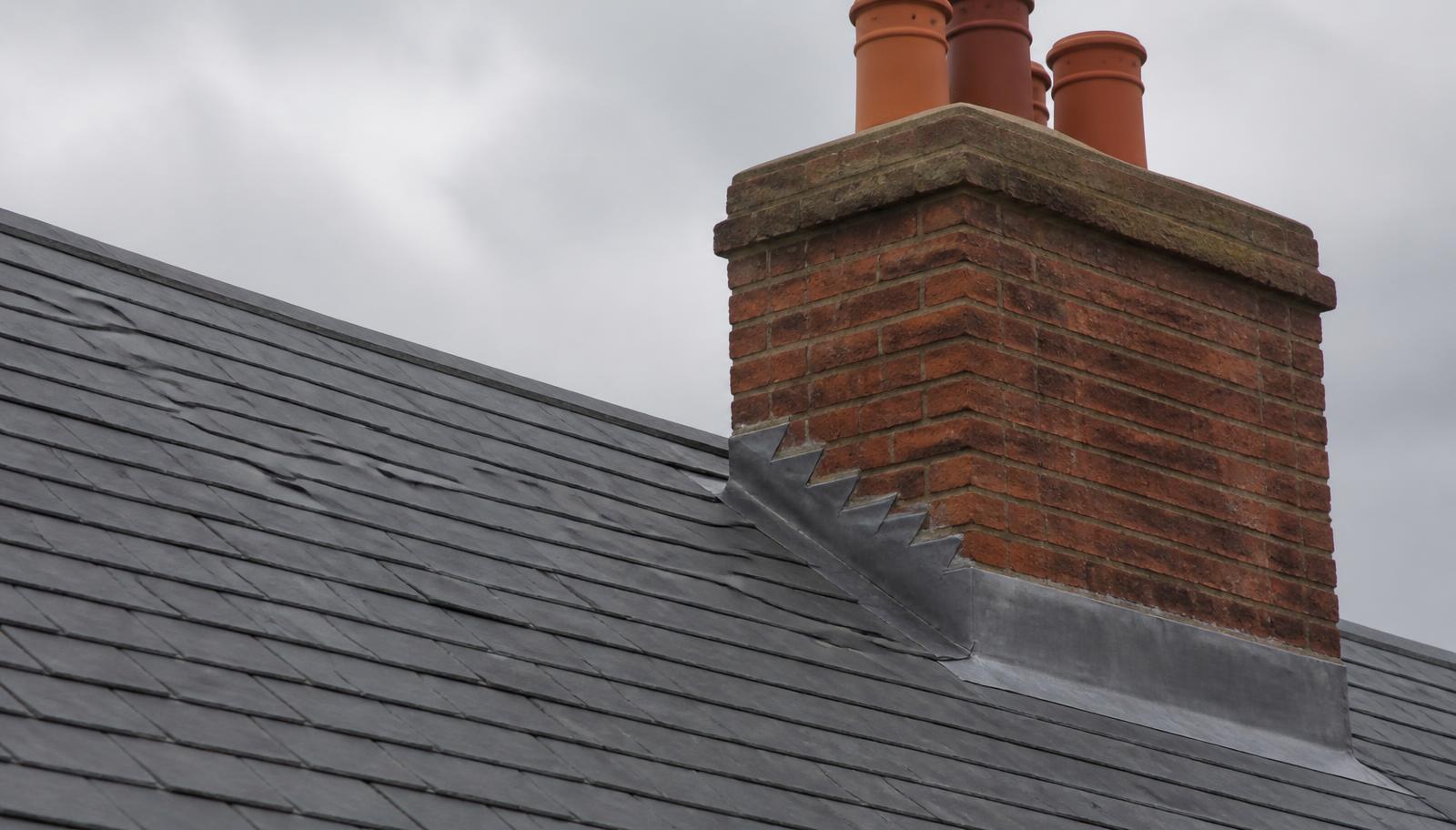
- A chimney stack that is visibly leaning, cracked or shedding brickwork
- Storm-lifted flat roof membrane flapping or peeling back from the deck
- Ceilings bulging or sagging from trapped water
Inspection & diagnosis
Every quote begins with an inspection. Where a roof is inaccessible, complex or storm-damaged, we can carry out a drone inspection to capture imagery and annotated findings before recommending works.
Typical scope of work
- Rapid attendance to assess the risk to people and property first
- Make-safe work: securing or removing loose materials, cordoning risk areas below
- Temporary weatherproofing — sheeting, temporary covering or targeted sealing to stop water ingress
- Photographic record of the damage as found, suitable for an insurance claim
- A clear explanation of what is temporary and what must follow
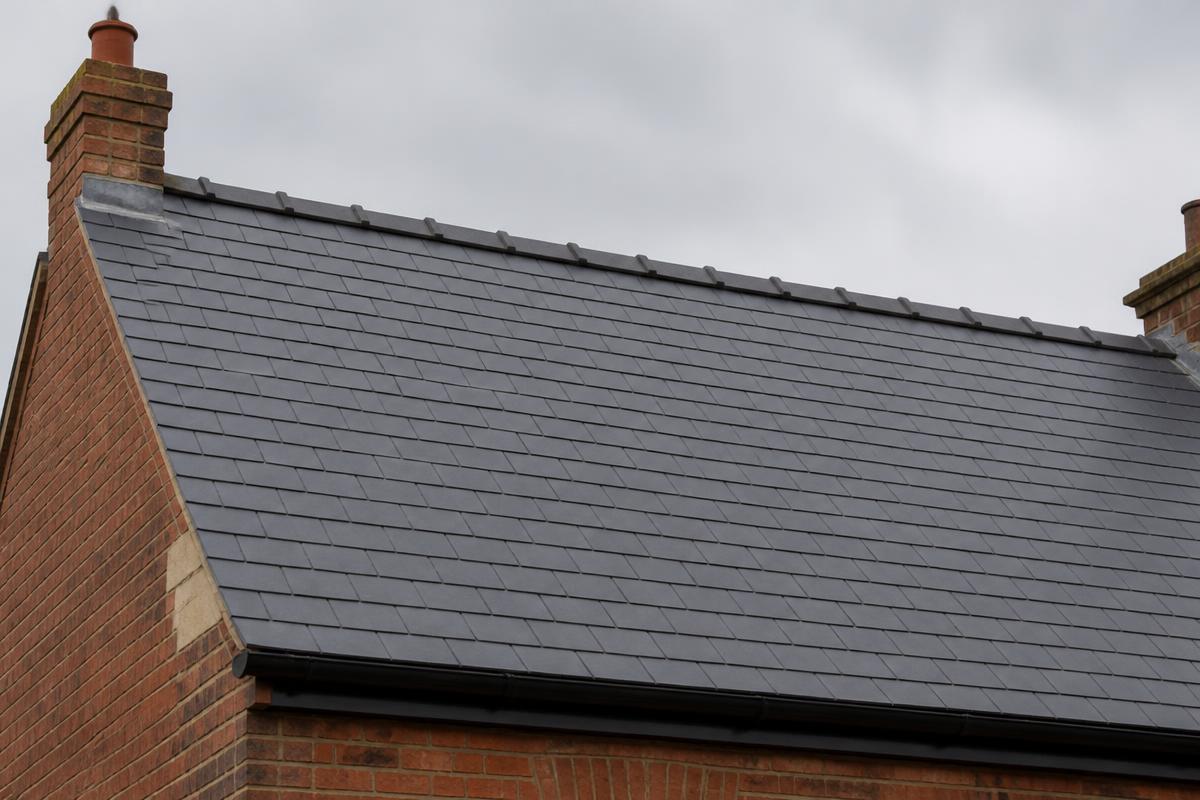
- Permanent repair scheduled once conditions, access and materials allow
Timescale
Emergency attendance is prioritised by risk — active water ingress and anything liable to fall are dealt with first. Realistic response depends on your location within our coverage area, the weather at the time and safe access; storm events create queues, and we will tell you honestly where you sit in it rather than promise a time we cannot keep. Make-safe work is typically a same-visit task; the permanent repair is booked separately.
Guarantee & aftercare
Make-safe work is intended to be temporary and is not a substitute for permanent repair — we make clear how long it should reasonably hold. The permanent repair that follows is covered by our written workmanship guarantee, and we re-photograph the roof once it is complete.
Project evidence
Emergency work is documented from arrival: the damage as found, the make-safe measures applied, and the completed permanent repair. That record is what insurers usually ask for, and it is shared with you as standard.