

Skip to content

Active leak, storm damage or unsafe chimney? See emergency guidance.

07340 587487
S Reid Roofing Ltd — covering your home, built to last
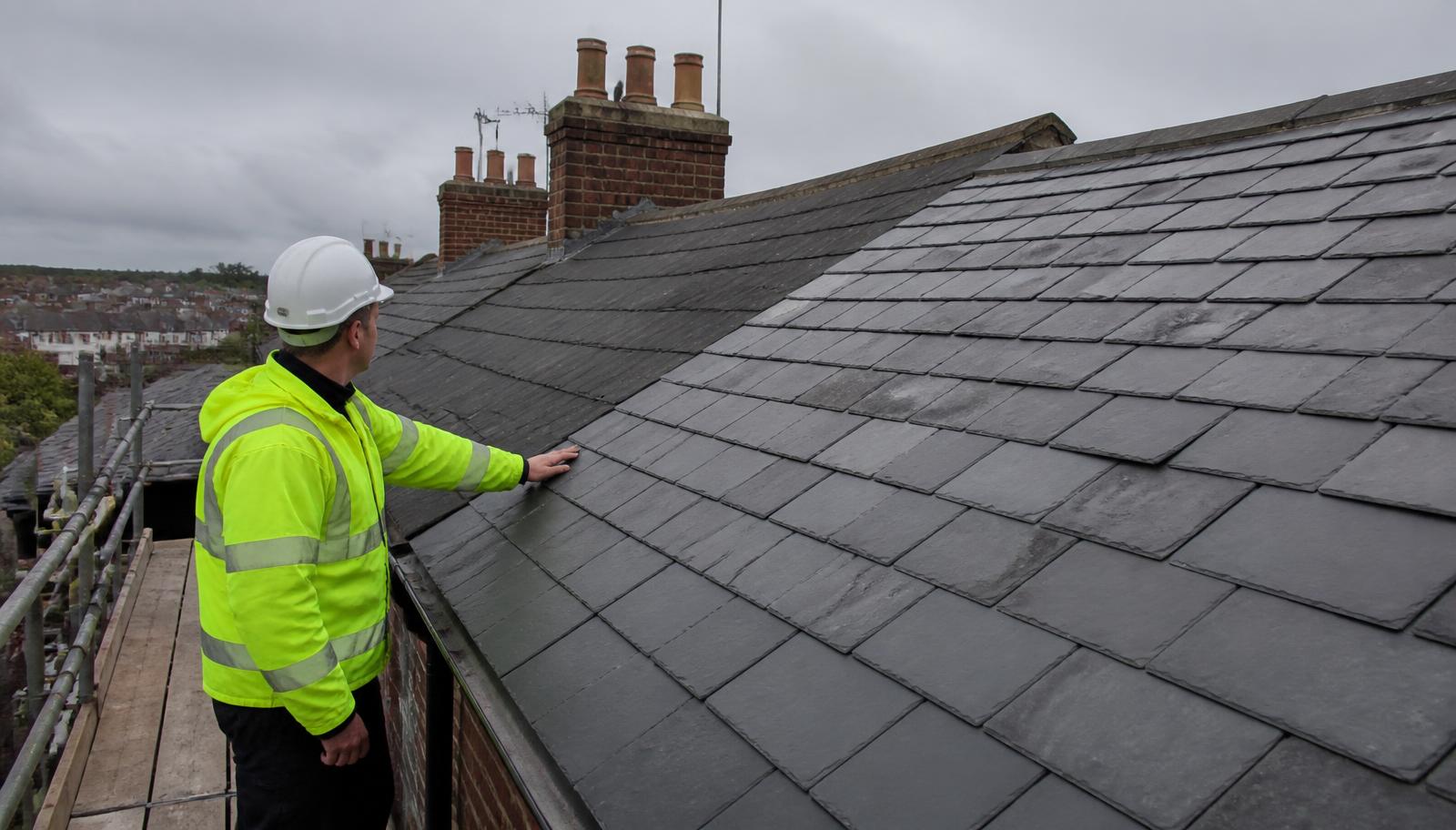
Roofer in a high-visibility jacket and hard hat inspecting a natural slate roof from scaffolding on a British terraced house.

Roofing advice

Roof leaks — finding the cause, not just the wet patch

Why roof leaks appear where they do, how the entry point is traced, when a leak is urgent, and what can and cannot be established without opening anything up.

Quick answer

Water rarely enters a roof directly above the stain you can see. It runs along battens, rafters and felt before it drops, so the wet ceiling shows where the water gave up, not where it got in. Tracing the entry point is the part that decides whether a repair works.

Leaks are the most common reason people call a roofer, and the most common reason repairs fail. A leak that is patched at the wrong point simply reappears at the next spell of driven rain.

This section covers where leaks usually originate, how they are traced, and what evidence is worth gathering before you ask for a quotation.

Guides in this topic

Questions people ask about this

Can a roof leak damage roof timbers?

Timbers repeatedly exposed to moisture can deteriorate and become vulnerable to decay. The level of risk depends on how wet they become and how long the moisture remains, which is why persistent leaks should be investigated rather than repeatedly concealed or patched from indoors without addressing the external source.

Why is mould growing on my loft timbers?

Mould commonly indicates persistently high moisture or condensation, but external water ingress should also be ruled out before assuming the cause. Cleaning the surface without dealing with the moisture source, whether that is poor ventilation or a roof defect, may only provide a temporary improvement before the mould returns.

Relevant services

Roof emergency?

For active leaks, storm damage, fallen materials or an unsafe chimney — call. Make-safe work first, permanent repair scheduled after inspection.

Back to all roofing advice