

Reviewed by the S Reid Roofing Ltd team — last reviewed 2026-09-15
Quick answer
Damp in a loft can result from an external roof defect, but condensation is another common cause. Ventilation, insulation, moisture patterns, weather conditions and the external covering need to be considered together before deciding that roof repairs are required. Treating the wrong cause tends to leave the damp returning, so it is worth resolving which explanation actually fits before any work is carried out.
At a glance
- Condensation and a leak can look similar at first glance.
- Loft ventilation and insulation both influence how much condensation forms.
- Moisture spread evenly across the loft points away from a single roof defect.
- Fixing the wrong cause leaves the damp to return.
Two different problems with overlapping symptoms
External water ingress and condensation can both leave damp timber, dark staining and a musty smell in a loft, which is why they are so often confused. The distinction matters because the fixes are entirely different: one is a defect in the roof covering or flashings, the other is a ventilation and moisture-management issue inside the building. Carrying out roof repairs where condensation is actually the cause will not resolve the damp, and improving ventilation will not fix a genuine external leak.
What tends to point each way
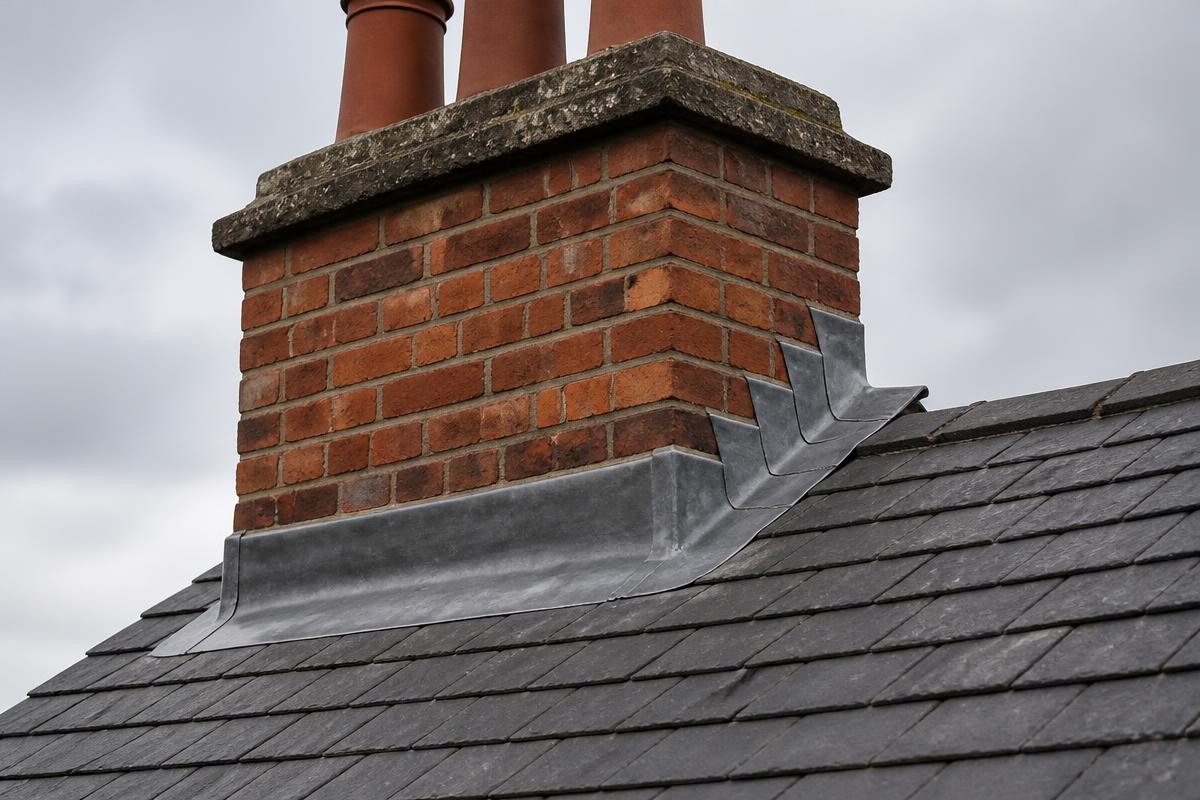
Damp concentrated near a chimney, valley or a specific point on the roof, that worsens in wind-driven rain and follows a traceable path, usually points to an external defect. Damp spread more generally across the underside of the roof, worse in cold weather regardless of rain, and accompanied by condensation on other cold surfaces in the property such as windows, usually points to moisture generated indoors meeting a cold roof space.
Insufficient loft ventilation, insulation laid in a way that blocks airflow at the eaves, or extractor fans venting into the loft rather than outside are common contributing factors on the condensation side. Modern, well-insulated and well-sealed homes can be more prone to this than older, draughtier properties, simply because moisture generated by cooking, bathing and drying laundry has fewer routes to escape.
Why the two can occur together
It is not unusual to find a genuine, minor external defect on a roof that also has a ventilation problem contributing to more general condensation elsewhere in the loft. In these cases, treating only the roof defect leaves the wider damp problem unresolved, and treating only the ventilation leaves the localised leak to continue. A proper inspection tries to separate the two rather than assuming that fixing one will automatically resolve the other.
What we would check
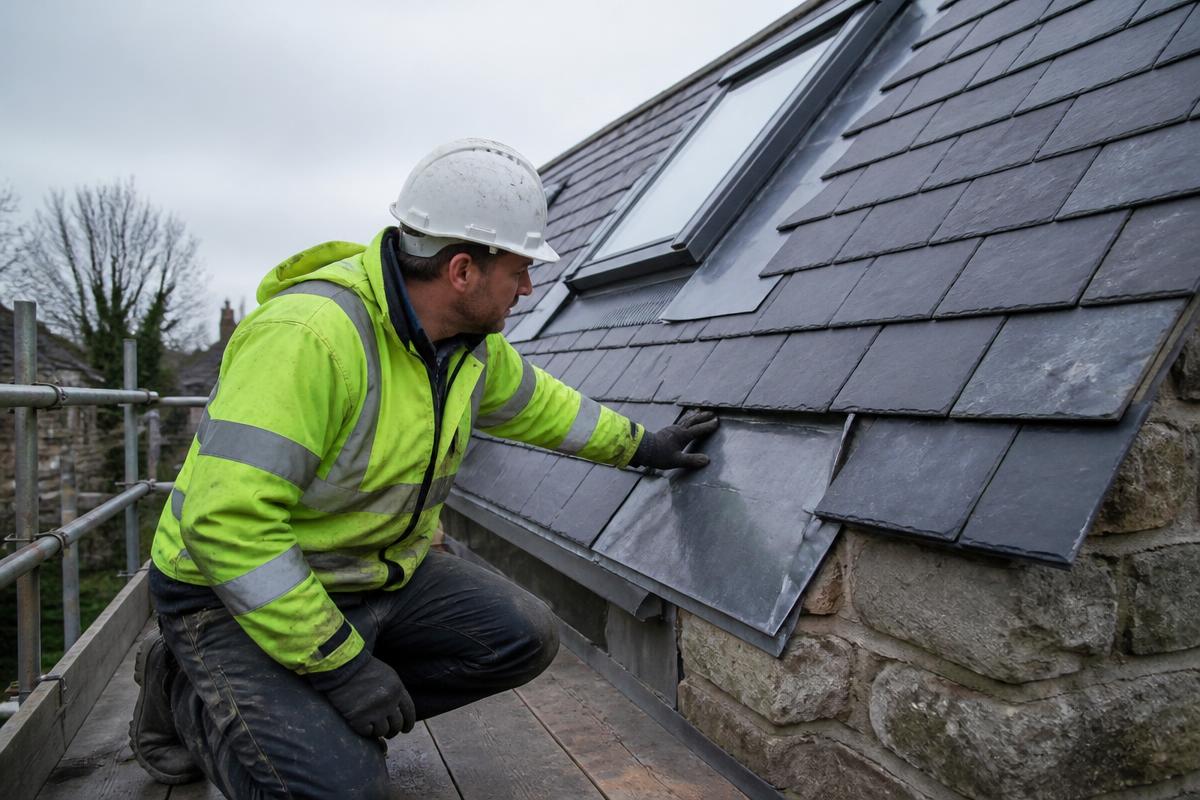
During an inspection, areas we would normally look at for this include:
- The distribution of damp across the loft — localised or widespread.
- Eaves ventilation and whether insulation is blocking airflow.
- Whether extractor fans or vents discharge into the loft space.
- The external covering and flashings above any localised damp.
- Whether the pattern correlates with rainfall or with cold weather generally.
Repair, replace or monitor?
Repair
A localised external defect found alongside the damp is treated as a roofing repair.
Monitor
Improve ventilation first where condensation is suspected, then review before concluding a roof repair is needed.
Roof photography
Related questions
Relevant services
Book a roof inspection or drone survey
Documented findings before any repair is quoted. Suitable for pre-purchase checks, storm-event assessment and inaccessible roofs.