

Reviewed by the S Reid Roofing Ltd team — last reviewed 2026-09-15
Quick answer
Useful maintenance includes keeping drainage routes clear, acting on moved tiles or slates, checking chimney and leadwork deterioration and investigating damp promptly. The aim is not constant intervention but noticing meaningful change before repeated water exposure causes wider damage to timber, insulation or ceiling finishes.
At a glance
- Clear drainage routes reduce the risk of water sitting where it should not.
- Acting on a single moved slate is far cheaper than repeated repeat visits.
- Chimneys and leadwork are common sources of slow, easily missed leaks.
- Damp investigated promptly limits the extent of any resulting damage.
Maintenance that genuinely reduces risk
Not all maintenance activity is equally useful, and unnecessary intervention on a sound roof carries its own risk of disturbance. The maintenance that actually protects a roof tends to be simple and targeted: keeping gutters, valleys and outlets clear so water can leave the roof as designed, and dealing with a displaced tile or slate as soon as it is noticed rather than after several more have followed.
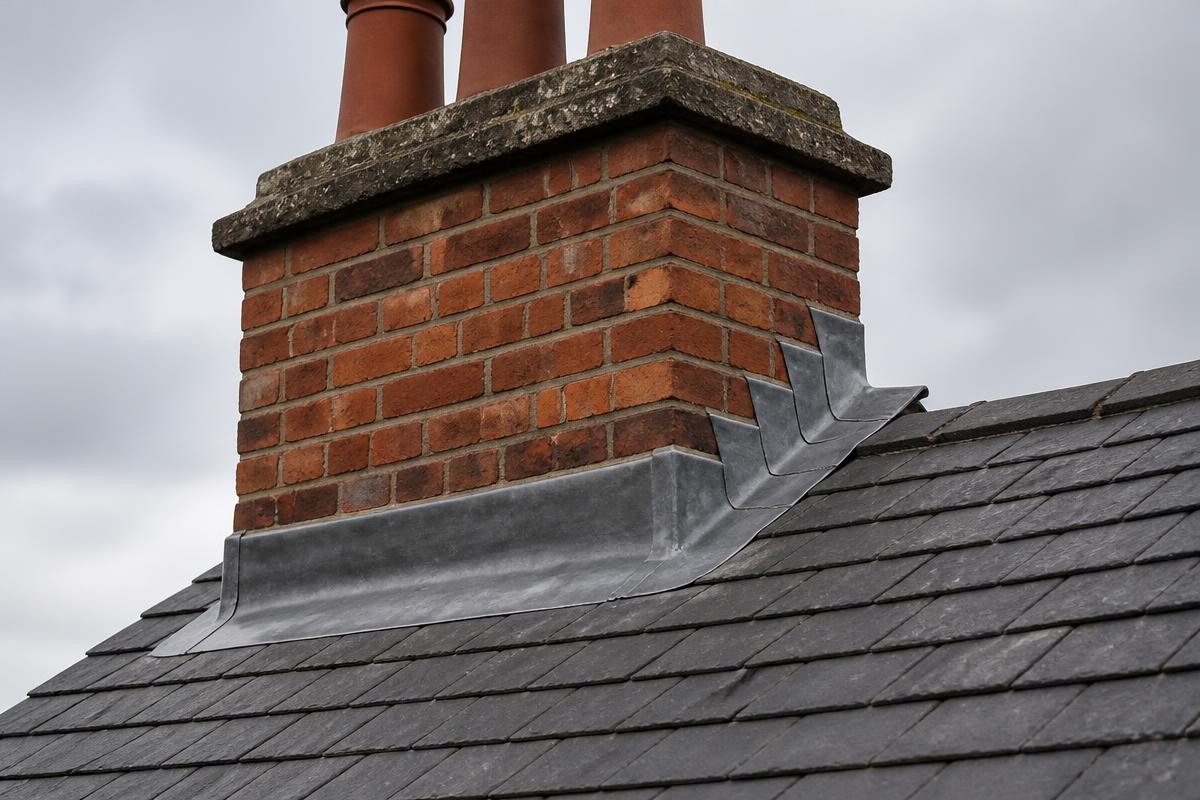
Chimneys and leadwork deserve particular attention, since flashings, soakers and mortar fillets are common sources of slow leaks that can run for a long time before producing an obvious internal symptom. A periodic check of these details, alongside prompt investigation of any damp that does appear, catches problems while they remain small.
- Keep gutters, valleys and outlets clear of debris.
- Address a displaced tile or slate as soon as it is noticed.
- Check chimney flashings, soakers and mortar detailing periodically.
- Investigate any new damp promptly rather than waiting to see if it recurs.
Why timing matters more than frequency
The cost difference between a repair carried out early and one carried out after the defect has run for months usually comes down to how much collateral damage has occurred by the time work starts. A single lifted slate, dealt with promptly, is normally a short and straightforward repair. The same slate left in place through a winter of wind and rain can allow water into the batten and rafter beneath it, turning a small job into one that also involves replacing decayed timber and affected insulation.
This is why an approach based on noticing and acting on change tends to work better than a rigid maintenance calendar carried out regardless of condition. A roof that is genuinely sound does not need repeated intervention just to fill a schedule, whereas a roof showing an early sign of a developing defect benefits far more from prompt attention than from waiting for the next planned visit.
What this looks like across the seasons
In this part of the country, autumn leaf fall and the run-up to winter storms are a sensible time to check that gutters, valleys and outlets are clear, since blocked drainage combined with heavy winter rainfall is a common cause of water finding its way where it should not. A check after any particularly severe storm, rather than only on a fixed date, also helps catch loosened or displaced coverings before the next spell of wet weather finds the gap.
None of this needs to involve extensive work on a well-maintained roof. In many cases it is simply a matter of keeping an eye on the roof from ground level and from inside the loft, recognising when something has changed, and getting that change looked at before it develops into something more significant and more disruptive to put right.
What we would check
During an inspection, areas we would normally look at for this include:
- Gutters, valleys and downpipes for debris and blockage.
- Coverings across each slope for displacement since the last check.
- Chimney flashings, soakers and flaunching condition.
- Any reported damp, however minor, and where it is located.
- Whether previous repairs have held or show early signs of failing.
Repair, replace or monitor?
Repair
Small, localised defects caught early are normally straightforward repairs.
Monitor
Stable, minor weathering with no active water ingress can be reviewed at the next check.
Roof photography
Related questions
Relevant services
Book a roof inspection or drone survey
Documented findings before any repair is quoted. Suitable for pre-purchase checks, storm-event assessment and inaccessible roofs.