

Reviewed by the S Reid Roofing Ltd team — last reviewed 2026-09-15
Quick answer
No. Many visible defects develop before water reaches the interior. Displaced coverings, deteriorating leadwork, blocked drainage or damaged chimney details can sometimes be dealt with while the repair is still localised, rather than waiting for an internal symptom to confirm that water has already found a route in.
At a glance
- An internal leak usually means water has already been getting in for some time.
- Displaced coverings and failing leadwork are visible before any leak appears.
- Blocked gutters and valleys are a common precursor to eventual water ingress.
- Acting while a defect is localised generally means a smaller piece of work.
Why a leak is a late-stage symptom, not an early one
By the time water appears on a ceiling or down a wall, it has usually found a path through the covering, across the underlay or structure, and through the ceiling finish. That journey can take weeks or months, which means the underlying defect — a lifted slate, a cracked flashing, a blocked outlet — was there and visible from outside well before anything showed indoors.
Waiting for that internal confirmation means the defect has had longer to cause damage to timber, insulation or ceiling finishes than if it had been caught at the point where it was still just a displaced tile or a build-up of debris in a gutter. Water tracking through a roof structure does not always travel straight down, either, so the position of a ceiling stain does not necessarily indicate exactly where the original defect is above it, which can make a reactive repair after a leak has appeared more involved than an earlier, more targeted one.
What tends to give early notice
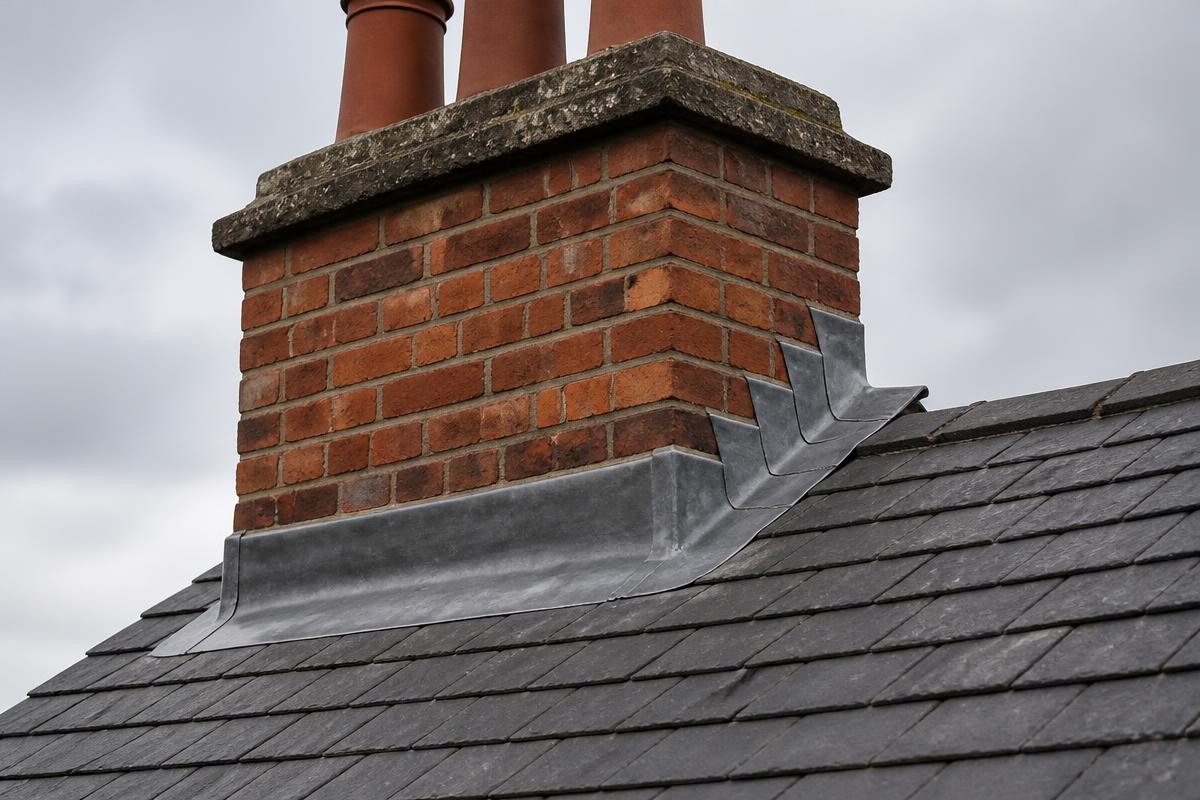
Coverings that have visibly moved, leadwork or flashings that have lifted or cracked, gutters and valleys holding debris, and chimney mortar that has opened up are all things that can be seen from outside, or from the loft, before any water reaches living space. None of these guarantees a leak is imminent, but each is worth investigating rather than leaving until an internal symptom forces the issue.
A loft space can also give earlier notice than the rooms below it. Timber staining, a musty smell, or slightly damp insulation in one localised area can appear well before any mark shows on a ceiling, simply because the loft is closer to the source and has less material for water to pass through first. Occupiers who occasionally look in the loft, particularly after heavy rain or high winds, are often the first to notice these early signs.
The practical difference between acting early and waiting
Acting on a visible external defect while it remains localised usually means dealing with one displaced slate, one cracked flashing, or one blocked outlet, work that can often be completed in a single visit. Waiting until water has reached the interior often means the original defect has been present for some time, and the work then needed may include drying out or replacing affected timber, insulation and ceiling finishes in addition to the roof repair itself.
This is not a case for constant intervention on a roof with no visible issues, but it does mean that a displaced tile, a lifted flashing, or debris sitting in a valley is worth having looked at reasonably promptly rather than being left on the basis that no leak has appeared yet. The absence of an internal symptom is not the same as the absence of a defect.
What we would check
During an inspection, areas we would normally look at for this include:
- Coverings across each slope for movement or displacement.
- Leadwork and flashings at chimneys, valleys and abutments.
- Gutters, valleys and outlets for debris or blockage.
- Chimney mortar and flaunching condition.
- The loft for any early staining, even where nothing is visible inside the house.
Repair, replace or monitor?
Repair
Isolated displaced coverings or failing flashings caught before ingress are usually a straightforward repair.
Monitor
Minor cosmetic weathering with no sign of water movement can be recorded and reviewed.
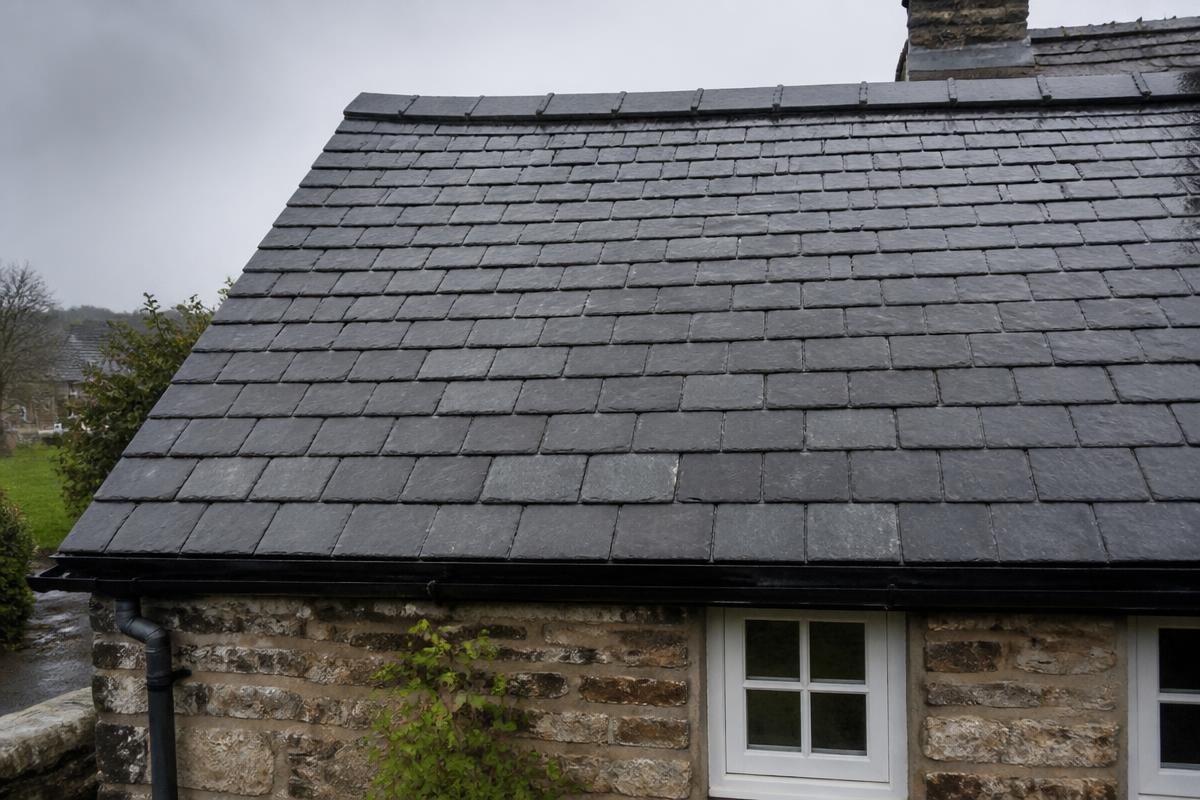
Roof photography
Related questions
Relevant services
Book a roof inspection or drone survey
Documented findings before any repair is quoted. Suitable for pre-purchase checks, storm-event assessment and inaccessible roofs.