

Skip to content

Active leak, storm damage or unsafe chimney? See emergency guidance.

07340 587487
S Reid Roofing Ltd — covering your home, built to last
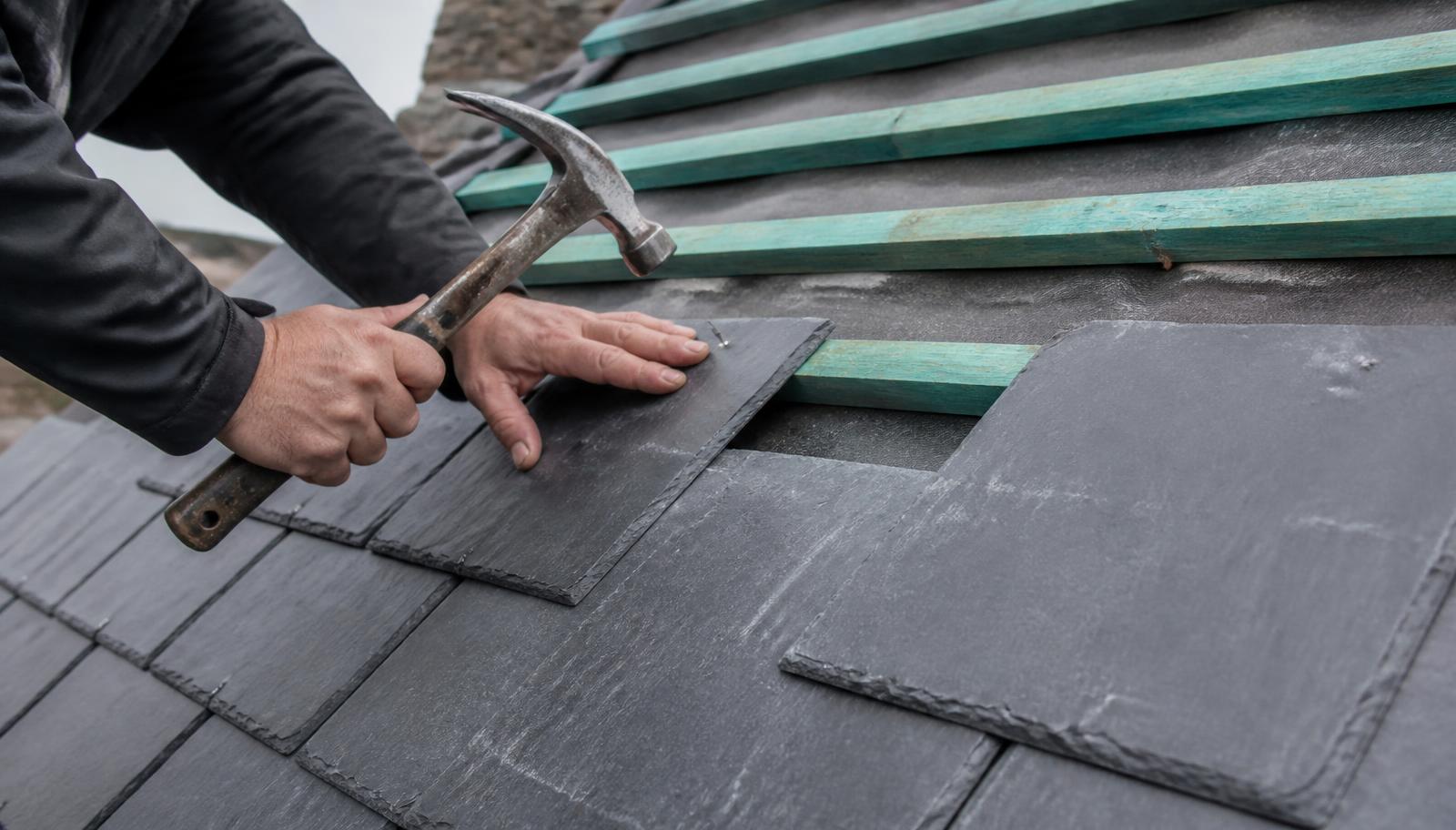
Roofer's hands nailing a natural slate onto treated timber battens over breathable membrane during a UK re-slate.

Roofing advice

New roofs and re-roofing — what a full replacement involves

When a roof genuinely warrants replacing, what a re-roof involves, how materials are matched, and what to expect from the process on an occupied home.

Quick answer

A re-roof means stripping the covering back to the timbers, replacing battens and underlay, and re-covering with new or reclaimed material. It is the right answer when defects are spread across the slope or the fixings have reached the end of their life, not because a roof looks tired.

Replacement is a significant expenditure, and it should be evidenced rather than asserted. Where photographs show slipped units appearing repeatedly across a roof, or soft battens once exposed, the case makes itself.

This section explains what the work involves, what the options are for materials, and the questions worth asking before you commit.

Guides in this topic

Questions people ask about this

Can I stay in my house while the roof is replaced?

Most homeowners can remain in the property during re-roofing, although noise, access and temporary disruption should be expected. The contractor should explain working arrangements and any areas that need to remain clear.

How is my house protected from rain during re-roofing?

Re-roofing should be planned in manageable sections with temporary weatherproofing available where needed. Homeowners should understand how exposed areas will be protected overnight and how unexpected poor weather will be handled.

Relevant services

Request a roofing quotation

Share what you've noticed and we'll arrange an inspection before recommending works.

Back to all roofing advice