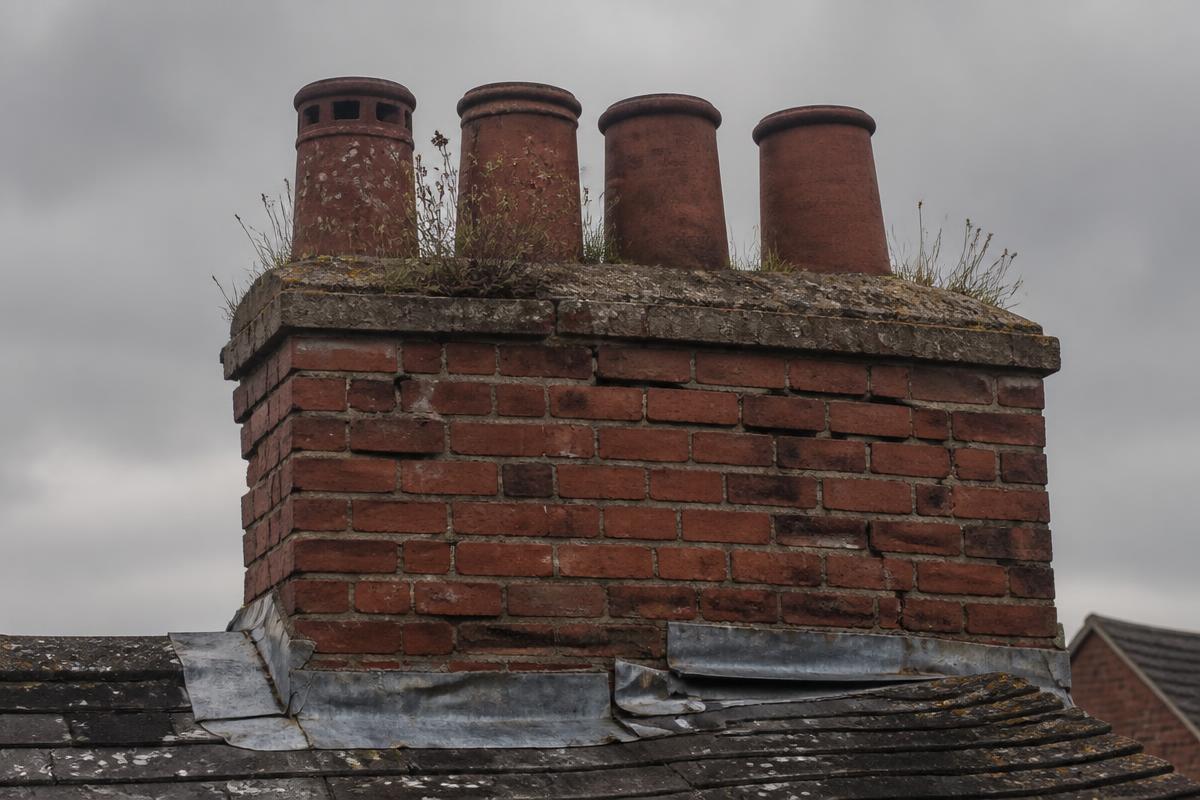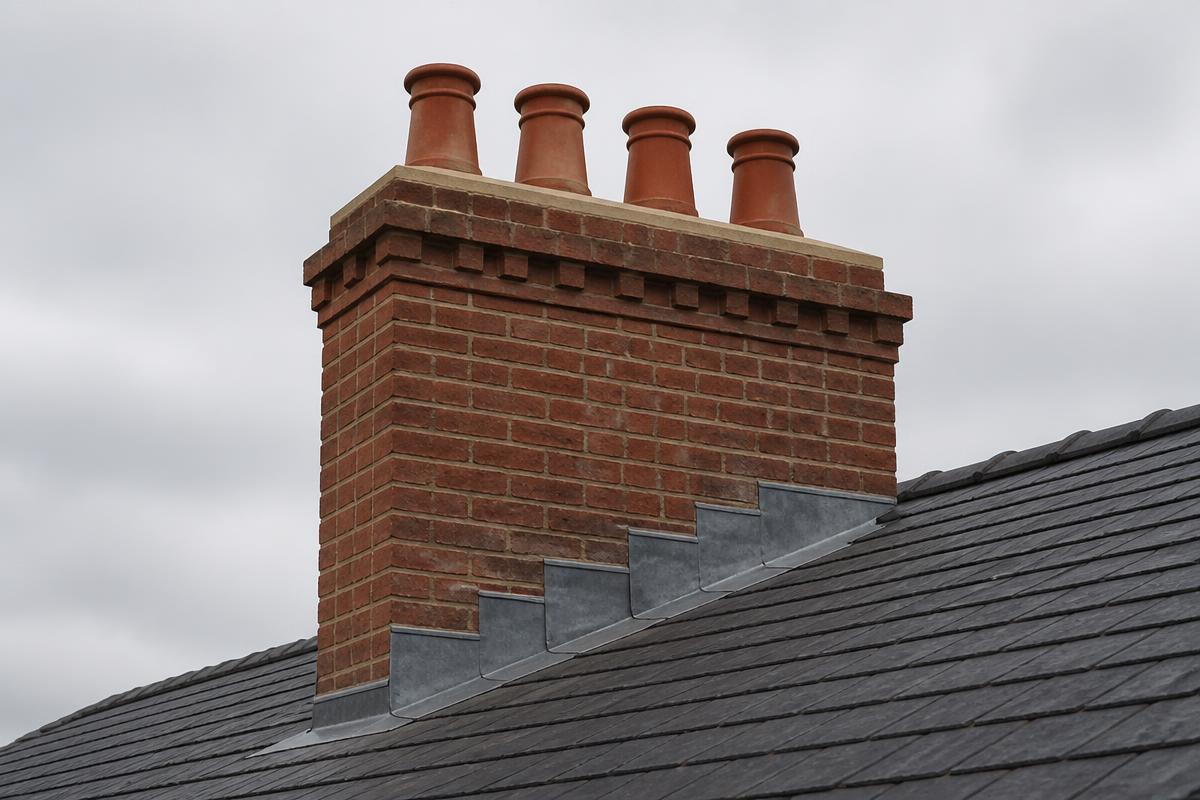

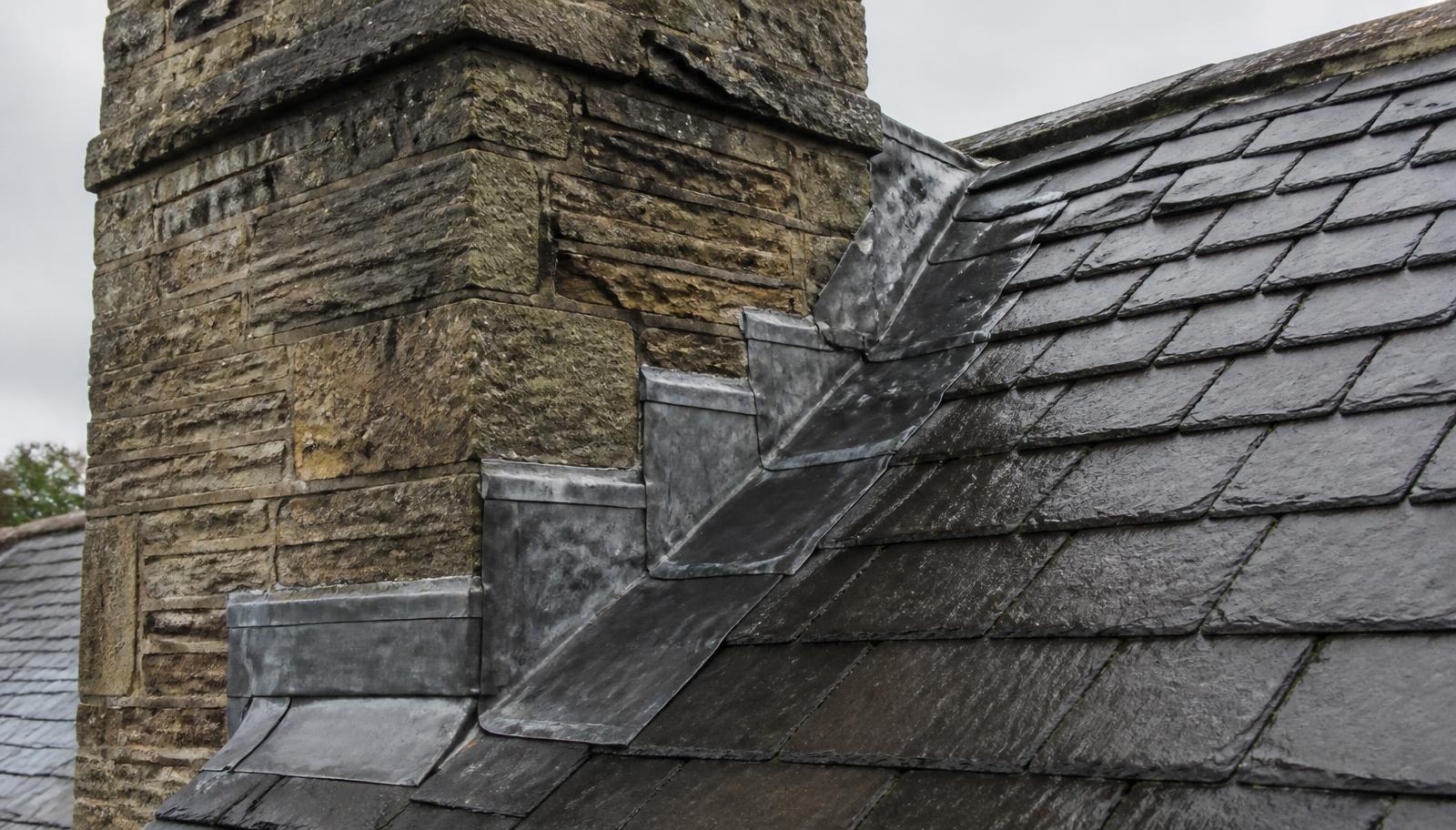
Traditional and modern leadwork across roofs, chimneys and heritage buildings.
Symptoms & warning signs
- Splits or fatigue cracks running across lead sheets — usually a sign of over-long pieces
- Lead that has turned chalky white and thin, or that has corroded through
- Cement fillets used where lead should be, cracking and letting water in
- Water ingress at valleys, abutments, parapets or around dormers
- Lead lifted or rolled back by wind
- Staining on stonework or render below a lead detail
Inspection & diagnosis
Every quote begins with an inspection. Where a roof is inaccessible, complex or storm-damaged, we can carry out a drone inspection to capture imagery and annotated findings before recommending works.
Typical scope of work
- Assessment of the correct lead code, sheet length and fixing method for each detail
- Removal of failed lead, cement fillets and inappropriate previous repairs
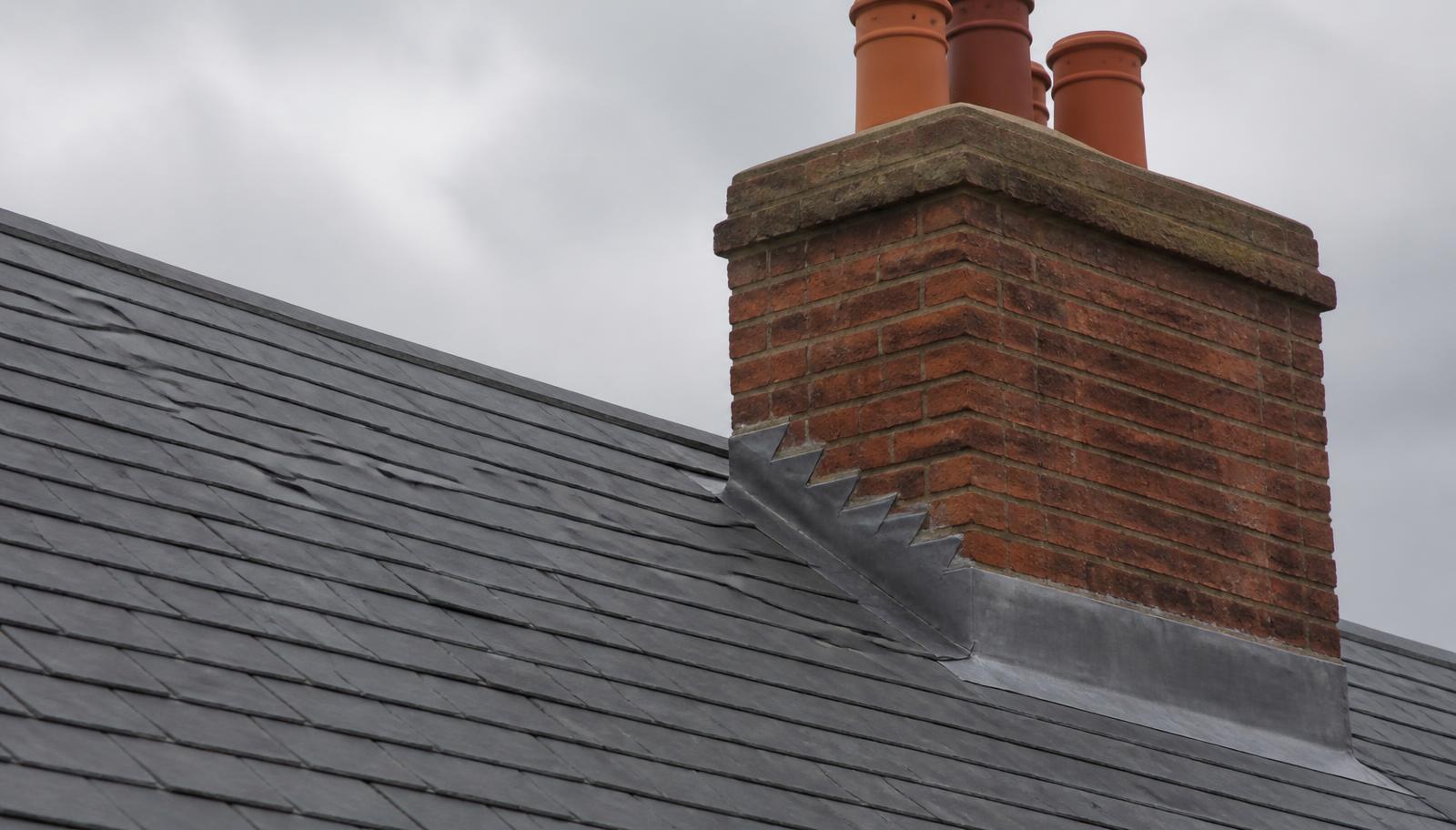
- Formation of valleys, aprons, soakers, step flashings, cover flashings and parapet gutters
- Bossed or lead-welded corners and junctions rather than sealant-dependent detailing
- Correct expansion allowance and fixings so the lead can move without splitting
- Underlay and substrate preparation beneath the lead
- Patination oil to the finished surfaces
Timescale
Individual details such as an apron or soaker set are often a single-day task. Valleys, parapet gutters and heritage detailing take longer — typically several days — because they are formed on site rather than cut from stock.
Guarantee & aftercare
Leadwork carries our written workmanship guarantee. Lead installed to correct code and length has a long service life; we record what was used so future work can match it.
Project evidence
Every job is photographed before, during and after the work, so you can see what was found, what was done and what it looks like finished — including the parts of the roof you cannot see from the ground. Those photographs are shared with you and, with permission, may be used as a case study.