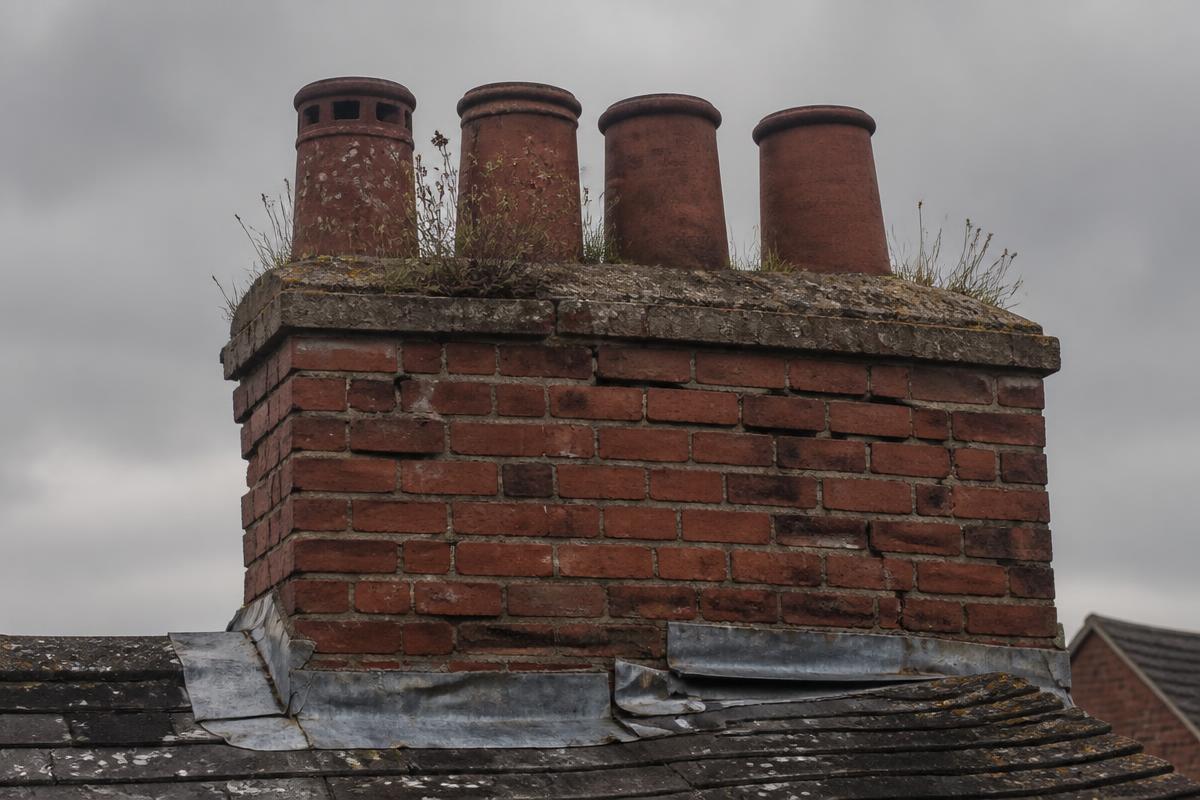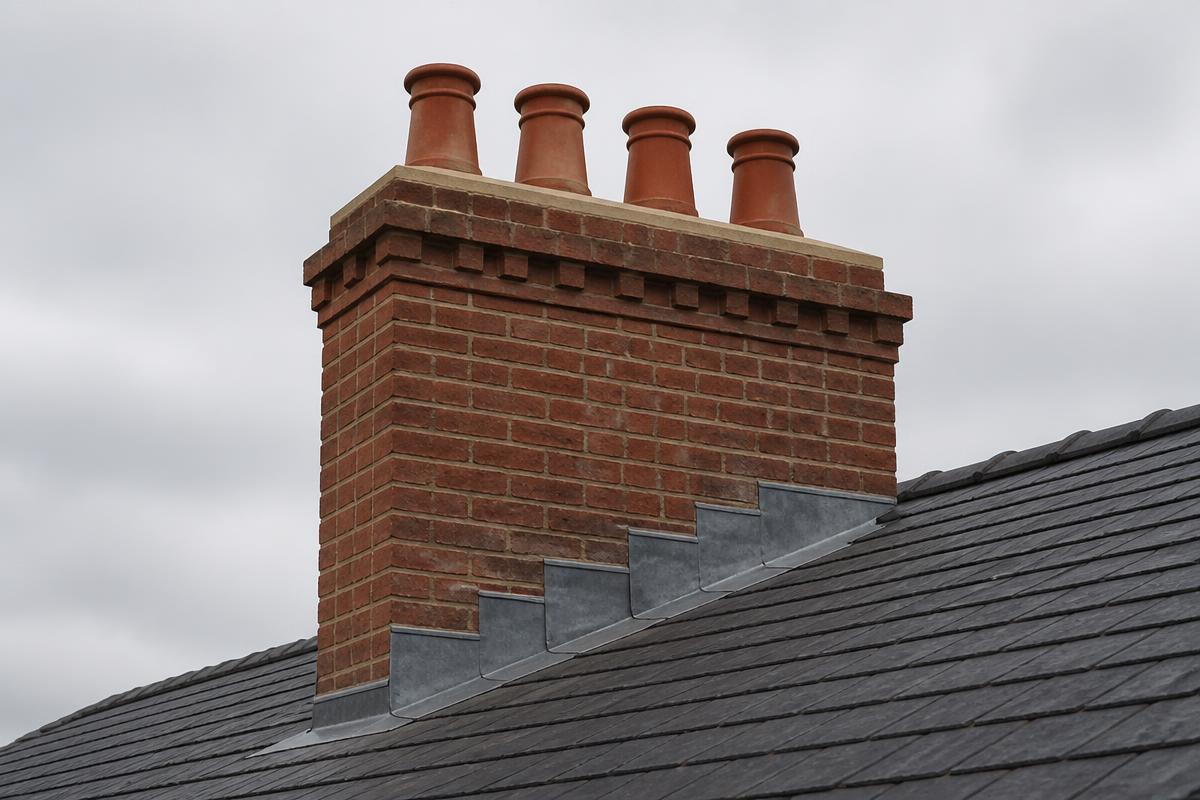

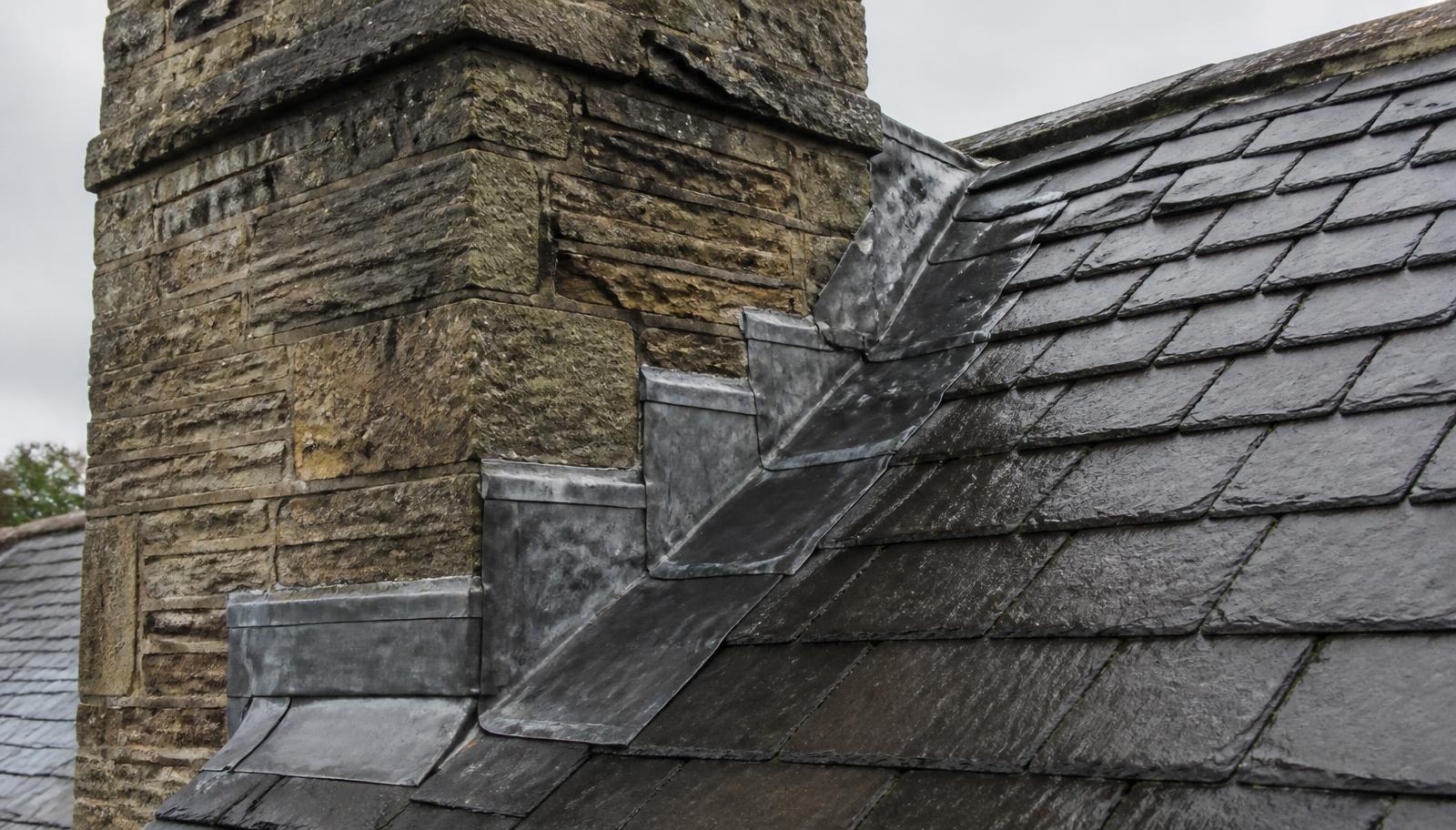
Lead aprons and soakers where the roof meets walls, chimneys and dormers.
Symptoms & warning signs
- Damp where a roof abuts a wall — an extension, porch, dormer or bay
- Cement fillets cracking along the junction between roof and wall
- Water tracking down the inside of an external wall in wet weather
- Missing soakers under slates or tiles at a side abutment
- Lead apron too short to cover the roof adequately below the wall
Inspection & diagnosis
Every quote begins with an inspection. Where a roof is inaccessible, complex or storm-damaged, we can carry out a drone inspection to capture imagery and annotated findings before recommending works.
Typical scope of work
- Inspection of the abutment detail to determine what is actually failing
- Removal of cement fillets and undersized or failed lead
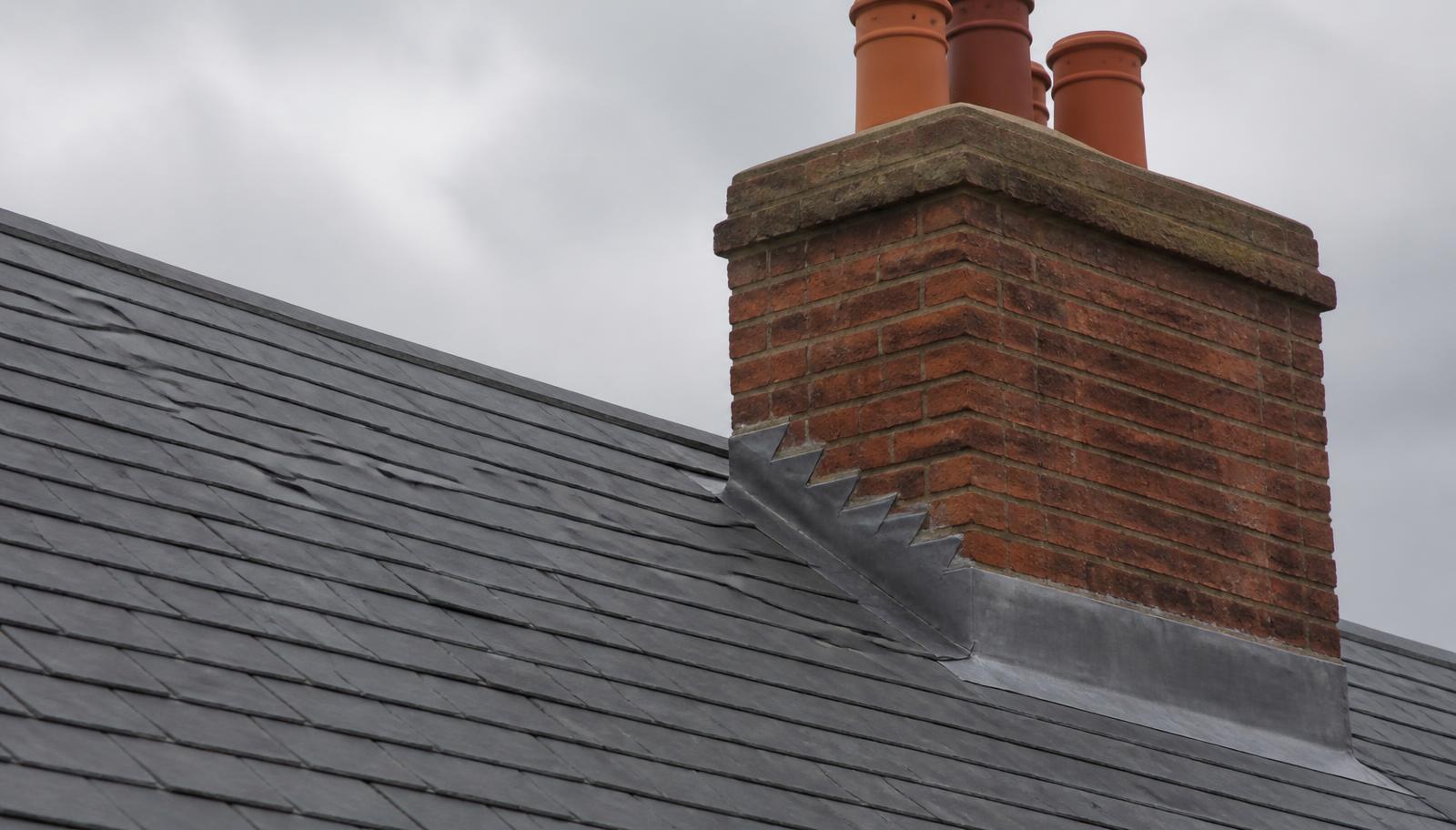
- Individual soakers cut and formed to interleave with each slate or tile course
- Front aprons and stepped cover flashings sized and dressed to the roof profile
- Chases raked out, flashings wedged and repointed into the wall
- Re-laying of disturbed covering and patination oil to the new lead
Timescale
Most apron and soaker work is completed within one to two days depending on the length of the abutment and how much of the covering must be lifted to interleave the soakers.
Guarantee & aftercare
Abutment leadwork carries our written workmanship guarantee, with the lead code and detail recorded on your paperwork.
Project evidence
Every job is photographed before, during and after the work, so you can see what was found, what was done and what it looks like finished — including the parts of the roof you cannot see from the ground. Those photographs are shared with you and, with permission, may be used as a case study.