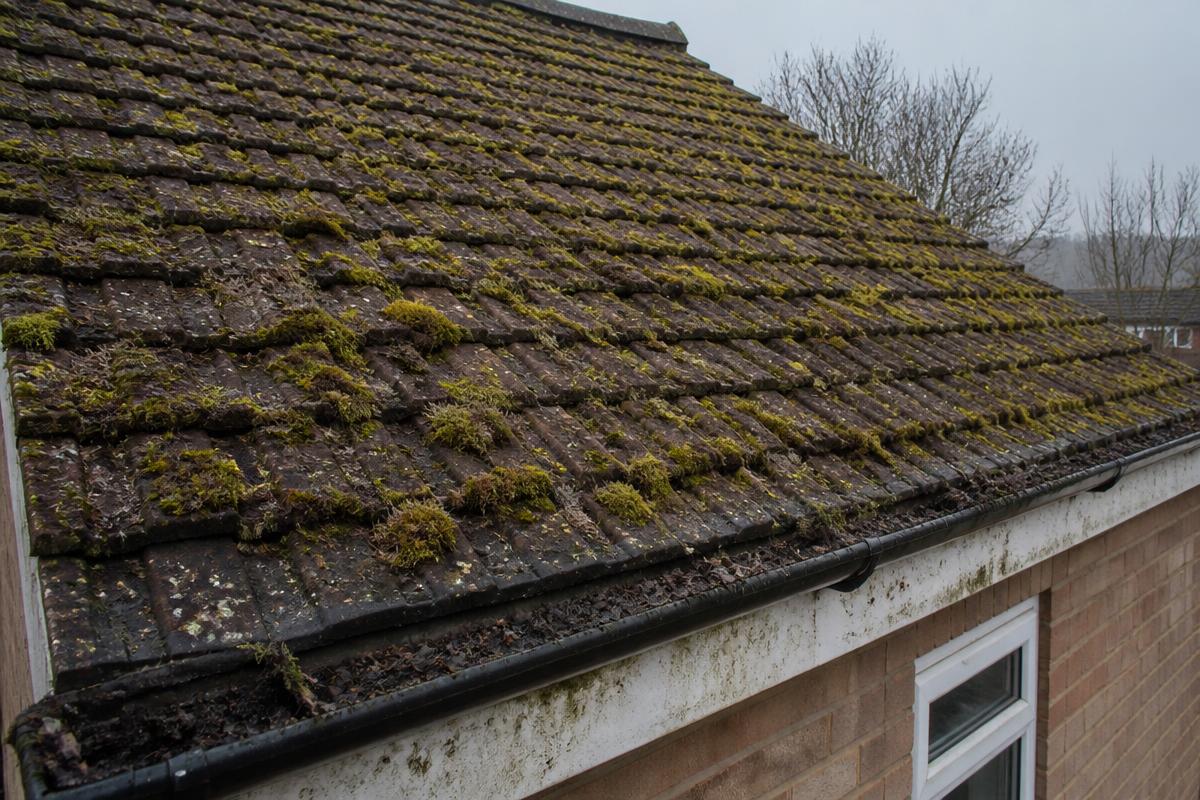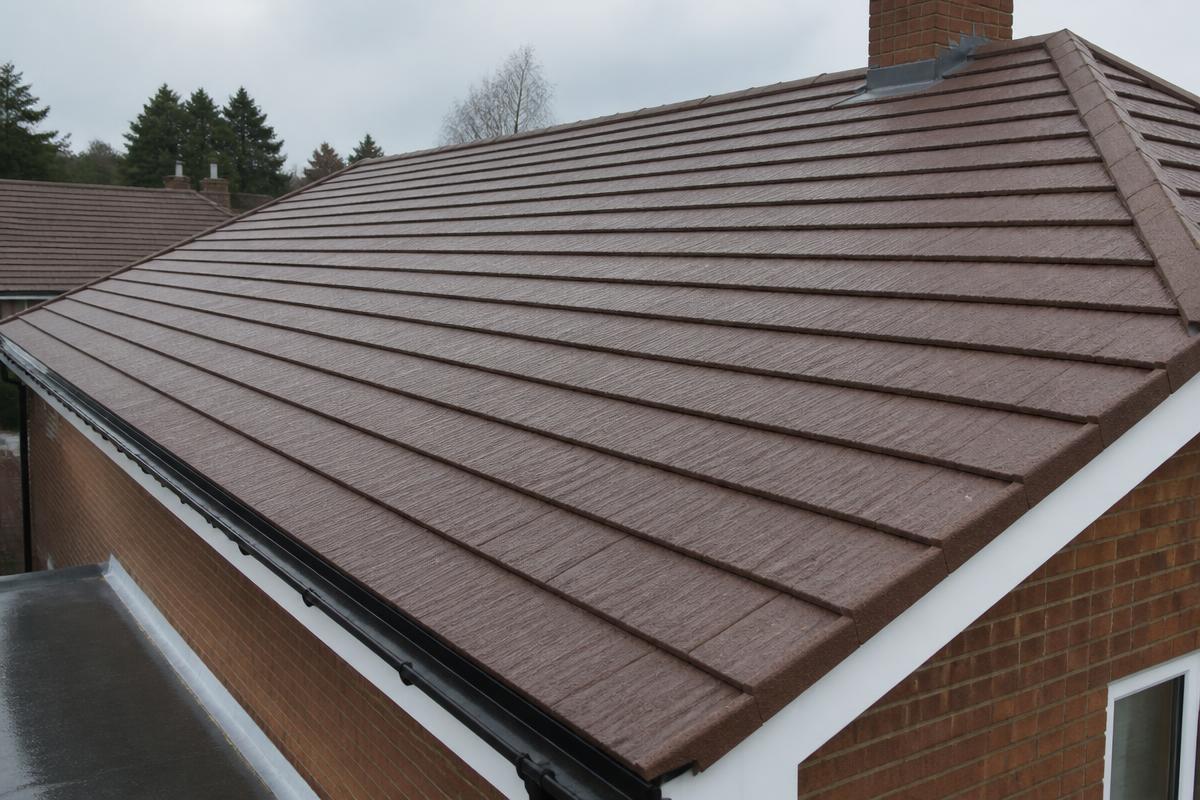

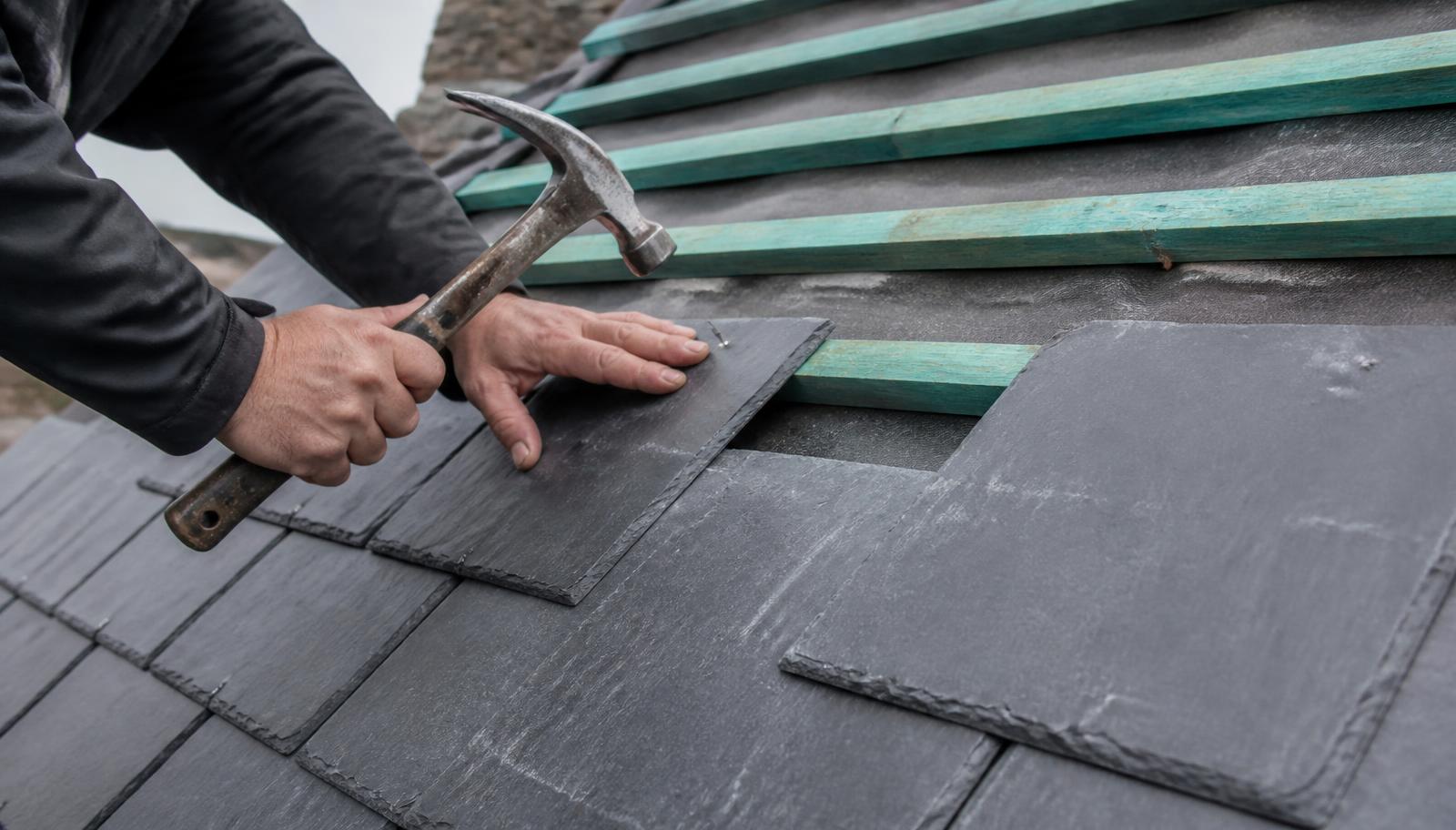
Dry ridge conversion — a long-life alternative to cement-bedded ridge tiles.
Symptoms & warning signs
- Cracked or missing mortar along the ridge line
- Ridge tiles that rock, lift or can be moved by hand
- Lumps of mortar found in the gutters or on the ground below the ridge
- Water ingress at the top of the roof after wind-driven rain
- Repeated re-bedding of the same ridge over the years
- A new roof or re-roof where current practice calls for mechanical fixing
Inspection & diagnosis
Every quote begins with an inspection. Where a roof is inaccessible, complex or storm-damaged, we can carry out a drone inspection to capture imagery and annotated findings before recommending works.
Typical scope of work
- Removal of existing ridge tiles and all old mortar bedding
- Inspection and repair of the ridge board, battens and top courses
- Fitting of ventilated ridge roll to form a weathertight, breathable seal
- Mechanical fixing of a ridge batten and each ridge tile with proprietary clamps and screws
- Reuse of sound existing ridge tiles, or supply of matched replacements
- End caps, junctions and hip-to-ridge transitions detailed correctly
Timescale
A typical domestic ridge conversion is a one to two day job once access is in place. Mechanical fixing does not need dry conditions to cure the way mortar does, which makes it easier to schedule in this climate.
Guarantee & aftercare
Dry ridge work carries our written workmanship guarantee and the dry-fix system manufacturer's warranty. Once installed the ridge should not need periodic re-bedding — that is the point of the system.
Project evidence
Every job is photographed before, during and after the work, so you can see what was found, what was done and what it looks like finished — including the parts of the roof you cannot see from the ground. Those photographs are shared with you and, with permission, may be used as a case study.